
Light Requirements
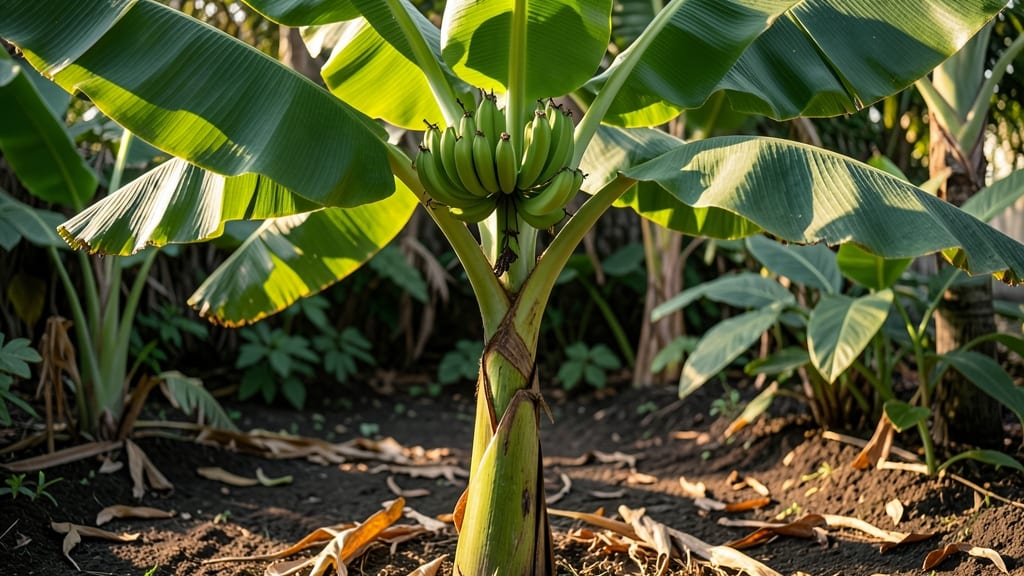
Growing a banana tree in full sun feels like bringing a piece of paradise to your yard—even if you're not in a tropical zone. 🌞 The key isn't just sunlight; it's matching your banana's needs to your climate, whether you're in Florida or California.
Most people assume these plants only thrive in steamy jungles, but with the right approach, they flourish in full sun with proper care and protection from extreme conditions.
Banana trees need 6-8 hours of direct sunlight daily, but they also crave warmth and consistent moisture. In hotter climates, afternoon shade helps prevent leaf scorch, while cooler regions may need winter protection.
The soil should be rich, well-draining, and slightly acidic—think of it as a mix of compost, peat moss, and sand. Container growing works beautifully for colder areas, letting you move the plant indoors or under cover when temperatures drop.
You'll see rapid growth when conditions are right—new fronds unfurling within weeks and the potential for fruit in just 10-12 months for dwarf varieties. The trade-off? Bananas are frost-sensitive, so plan ahead for winter.
With the right setup, you'll enjoy lush foliage year-round and maybe even harvest your own bananas, something most gardeners never experience in temperate climates.
Whether you're planting in the ground or containers, the principles stay the same: full sun, warmth, and protection from cold snaps. The payoff is worth the effort—a tropical centerpiece that rewards patience with dramatic growth and the rare thrill of growing your own fruit.
Let's get those roots in the ground!
📚 In This Guide
- What you need
- Instructions
- Tips and common mistakes
- Wrapping up and next steps
What you need
- ● Banana Tree Plant: Choose a healthy Musa spp. (dwarf or regular) from a nursery or propagate from a pup.
- ● Large Container or In-Ground Plot: Container: Minimum 15-20 gallons (24"+ diameter) with drainage holes. Terracotta or fabric pots work best.
- ● In-Ground: Dig a hole 3x wider and 1.5x deeper than the root ball. Amend soil with compost if needed.
- ● Well-Draining Soil Mix: 50% potting mix (e.g., Miracle-Gro or coconut coir)
- ● 30% compost or aged manure (for nutrients)
- ● 20% perlite or coarse sand (for aeration)
- ● Fertilizer: Balanced fertilizer (10-10-10 or 20-20-20) for initial planting.
- ● Slow-release banana fertilizer (e.g., Espoma Garden-Tone) for ongoing care.
- ● Mulch: 3-4 inches of straw or wood chips to retain moisture and regulate temperature.
- ○ Support Stakes (Optional but Recommended): 2-3 bamboo stakes (5-6 ft tall) + soft ties to prevent toppling.
- ● Drip Irrigation System or self-watering pot for consistent moisture.
- ● Shade Cloth (30-50%) for seedlings or extreme heat protection.
- ● Epsom Salt (Magnesium Sulfate) – 1 tbsp/month to prevent yellowing leaves.
- ● Pruning Shears for removing dead fronds or suckers.
- ● Thermometer to monitor soil temps (ideal: 70-85°F).
Step-by-step guide to growing a banana tree in full sun
Here’s how to cultivate a thriving banana tree even in cooler climates—just follow these sun-soaked steps.
🌱 Step 1: Select and Prepare the Right Planting Site
Banana trees crave full sun exposure (6-8 hours daily), so choose a location where they’ll receive unobstructed southern or western sunlight. If you’re in a cooler zone, opt for a sheltered spot against a warm wall or fence to trap heat. Dig a hole twice as wide as the root ball but no deeper—banana trees hate sitting in soggy soil.
Amend the native soil with compost or well-rotted manure to improve drainage and fertility. Banana trees are heavy feeders, so mix in a handful of balanced organic fertilizer (10-10-10) into the bottom of the hole. This ensures the roots have nutrients to establish quickly, especially in cooler climates where growth slows.
☀️ Step 2: Plant at the Correct Depth and Orientation
Place the banana tree in the hole so the top of the root ball sits 1-2 inches above ground level. This prevents waterlogging, which can rot the roots. Gently backfill with soil, pressing lightly to remove air pockets but avoiding compaction. The tree’s natural growth habit means it’ll lean toward the sun, so position it slightly off-center in the hole to encourage upright development.
Water deeply right after planting to settle the soil and eliminate air gaps. You’ll know it’s done when water drains freely from the bottom of the hole. Mulch the base with 3-4 inches of organic mulch (like straw or wood chips) to retain moisture and regulate soil temperature. Keep the mulch 6 inches away from the trunk to prevent rot.
💧 Step 3: Water Strategically for Year-Round Growth
Banana trees need consistent moisture, especially in full sun, but they despise soggy roots. Water deeply 2-3 times per week during the growing season (spring and summer) until the top 6 inches of soil feel damp. In cooler months, reduce watering to once a week unless the soil dries out faster due to wind or heat.
Here’s the trick: water at the base of the plant in the early morning. This mimics tropical rainfall patterns and prevents fungal diseases that thrive in damp foliage. You’ll see strong, upright growth when the leaves remain vibrant green—yellowing edges signal either overwatering or insufficient sunlight.
✂️ Step 4: Prune and Protect for Long-Term Health
Remove any yellow or damaged leaves immediately to redirect the plant’s energy. Banana trees produce suckers (offshoots) at the base, but only keep 1-2 of the strongest to avoid overcrowding. Cut the rest at the base with clean, sharp shears. This ensures the main plant gets all the nutrients and sunlight it needs to produce fruit.
In frost-prone areas, protect the tree by wrapping the trunk with burlap or frost cloth once temperatures drop below 50°F. Banana trees are tropical and won’t survive freezing, but with proper care, they’ll reward you with lush foliage and even fruit in warmer climates. Watch for pests like aphids or spider mites—spray with neem oil if you spot them early.
🌿 Step 5: Fertilize for Continuous Growth and Fruit Production
Feed your banana tree every 4-6 weeks during the growing season with a balanced organic fertilizer (like fish emulsion or compost tea). In cooler months, reduce feeding to once every 2 months since growth slows. The goal is to mimic the rich, nutrient-dense soil of their native tropical habitats.
You’ll know fertilization is working when new leaves emerge bright green and healthy. If leaves turn yellow between the veins, it’s a sign of nitrogen deficiency—switch to a fertilizer higher in nitrogen for a few weeks. Avoid over-fertilizing, though; banana trees are sensitive to salt buildup, which can stunt growth or even kill the plant.
Tips & tricks for perfect banana tree cultivation in full sun
Between us, growing a banana tree in full sun isn't just about planting and hoping for the best—it's about creating the right conditions to mimic its tropical origins. Here's what nobody tells you about making this work in less-than-ideal climates.
Sunlight Strategy: While 6-8 hours of direct sunlight is ideal, banana trees actually perform better when they receive morning sun and afternoon shade in hotter climates. If your area gets intense afternoon sun, consider planting near a wall or fence that provides some natural shade during peak heat hours. This prevents leaf scorch while still giving them the full sun exposure they crave for photosynthesis.
Soil Preparation Secret: The instructions mention compost and fertilizer, but here's the real trick: banana trees need soil that drains like a sponge but holds moisture like a towel. If your native soil is heavy clay, mix in perlite or coarse sand to create air pockets. I've seen trees struggle in compacted soil even when given plenty of water—proper aeration is everything for root health. Test your soil's drainage by filling a bucket with water and timing how long it takes to drain completely.
Watering Wisdom: Those 2-3 times per week waterings work perfectly, but timing matters more than you'd think. The early morning watering recommendation is gold because it gives the foliage all day to dry before evening. In humid climates, wet leaves overnight create the perfect conditions for fungal diseases. I've had to replant trees twice because I ignored this—don't make my mistake. Also, always water at the base, never overhead, to protect those massive leaves from sun damage.
Frost Protection Hack: The 50°F threshold is critical, but here's how to push that limit slightly: wrap your tree's trunk with bubble wrap before adding the burlap. The air pockets in bubble wrap provide an extra layer of insulation. I've successfully protected trees down to 45°F using this double-layer method. For extra security, place a heat lamp nearby on particularly cold nights—just make sure it's far enough away to avoid fire hazards.
Pro Tips for Banana Tree Full Sun
- Between us, growing a banana tree in full sun isn't just about planting and hoping for the best—it's about creating t...
- Sunlight Strategy: While 6-8 hours of direct sunlight is ideal, banana trees actually perform better when they receiv...
- Soil Preparation Secret: The instructions mention compost and fertilizer, but here's the real trick: banana trees nee...
Frequently asked questions
How much full sun does a banana tree really need?
A banana tree thrives in 6–8 hours of direct sunlight daily. In hot climates (zones 10–11), provide afternoon shade to prevent leaf scorch. In cooler zones (7–9), extend sunlight to 8+ hours for optimal fruit production. Pro tip: Rotate pots occasionally for even growth if growing indoors.
Can I grow a banana tree in full sun indoors?
Indoors, place your banana tree near a south-facing window or use grow lights for 12–14 hours/day. Full sun indoors is tricky—most homes lack the intensity. Supplement with LED grow lights 6 inches above the plant for best results. Watch out: Yellowing leaves signal insufficient light.
What’s the fastest way to revive a banana tree struggling in full sun?
If leaves are crispy or brown, it’s sunburned. Move it to partial shade (morning sun + afternoon shade) and increase watering. Trim damaged fronds and fertilize with banana tree-specific food (high potassium). Quick fix: Mist leaves daily to reduce stress.
Are dwarf banana trees better for full sun than regular ones?
Yes! Dwarf varieties (like Musa acuminata ‘Dwarf Cavendish’) tolerate full sun better than large types because their smaller leaves burn less easily. They’re also hardier in cooler zones (8+) and produce fruit faster. Bonus: They’re perfect for containers!
How do I protect my banana tree from full sun in winter?
In winter (zones 7–9), move potted trees to a sunroom or garage with indirect light. For in-ground plants, wrap the trunk in burlap or frost cloth and mulch heavily. Remember: Banana trees are tropical—never let temps drop below 50°F (10°C)!
What’s a full-sun alternative if banana trees won’t thrive in my climate?
Try hardy tropical plants like:
- Pineapple sage (sun-loving, edible flowers)
- Bird of Paradise (drought-tolerant, dramatic foliage)
- Dwarf papaya (smaller, heat-resistant cousin)
Wrapping up and next steps
Growing a banana tree in full sun is absolutely doable—even if you’re not in a tropical paradise! 🌞 With the right variety, soil, and care, you’ll be enjoying lush foliage, edible fruit, and that satisfying tropical vibe in no time. Start small, stay consistent, and watch your banana tree thrive!
Ready to take the next step? Pick your favorite variety (like Dwarf Cavendish or Red Dacca), grab your supplies, and get planting! Whether you’re a beginner or a seasoned gardener, your sun-loving banana tree will reward you with big, bold rewards.