
Pruning
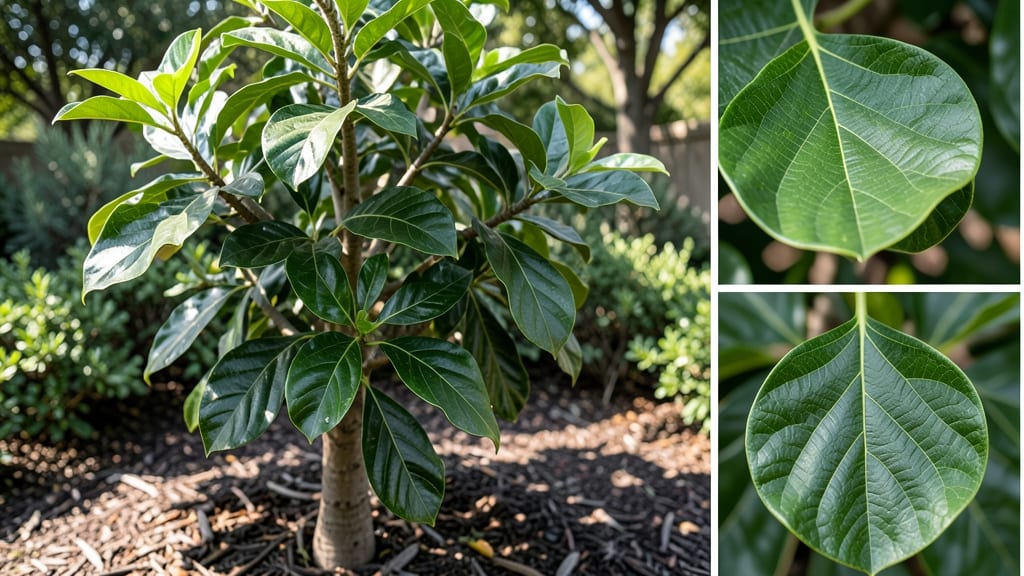
Avocado tree leaf identification is the first step to keeping your tree thriving—or diagnosing why it’s struggling. ✨ I’ve spent years comparing leaf shapes, colors, and textures, and the differences between healthy foliage and trouble spots are more obvious than you’d think. A single curled leaf or yellow spot can reveal everything from nutrient deficiencies to hidden pests before the fruit even forms.
The key is matching what you see to specific patterns: smooth edges mean one thing, jagged edges another, while glossy leaves often signal overwatering. My Hass tree once lost half its leaves to root rot, but I caught it early because I knew the difference between normal shedding and distress.
You’ll learn to spot those subtle clues too—like the tiny webbing that means spider mites or the sticky residue from scale insects.
By the end, you’ll recognize 20 common leaf conditions at a glance, from the velvety texture of new growth to the crispy brown edges of drought stress. Each problem comes with a simple fix: adjusting water, pruning damaged branches, or applying the right spray.
No more guessing whether those brown spots are just age or something worse.
This works for backyard trees, container-grown avocados, and even those tricky dwarf varieties. Whether you’re dealing with a mature tree or a sapling, the same leaf patterns apply. Let’s get you identifying like a pro—so your tree stays lush and productive for years.
Understanding Leaf Trouble Causes
Avocado tree leaves are like the tree’s report card—when they’re not looking right, something’s off. 🌿🔍 But why do these leaves change shape, color, or texture? Let’s break down the science behind the most common culprits and what they’re really telling you.
Avocado trees are tropical divas—they hate being outside their comfort zone. When leaves show signs of distress, it’s often because the tree is dealing with conditions it wasn’t evolved to handle.
- Extreme Heat or Cold Avocados thrive in USDA Zones 9–11, where temperatures stay between 60–85°F (15–29°C). Push those limits, and you’ll see yellowing (chlorosis) or brown, crispy edges—a classic sign of heat stress or cold damage.
Young leaves are especially vulnerable because they’re still developing. - Actionable fix: Mulch heavily in summer to cool roots, and use windbreaks or row covers in winter to shield the tree from frost.
- Water Woes: Too Much or Too Little - Overwatering leads to leaf yellowing, wilting, or fungal spots (like Phytophthora, a soil-borne pathogen).
Roots suffocate in soggy soil, starving the tree of oxygen. - Underwatering causes leathery, curled leaves and premature leaf drop as the tree conserves moisture. - Pro tip: Stick your finger 2–3 inches into the soil—if it’s dry, water deeply.
If it’s muddy, hold off until the top 4 inches dry out.
- Sunburn or Light Shock Avocado leaves can bleach or scorch if suddenly exposed to intense sunlight (like after moving a potted tree outdoors).
This looks like white or pale patches on leaves. - Fix: Gradually acclimate potted trees to full sun over 7–10 days, or provide dappled shade for young trees.
Leaves aren’t just getting stressed—they might be under silent siege from pests or pathogens. Here’s how to spot the invaders:
| Symptom | Likely Culprit | What’s Happening | How to Confirm |
|---|---|---|---|
| Holes or chewed edges | Avocado lace bug, caterpillars | Pests feed on leaf tissue, leaving jagged holes or skeletonized patterns. | Shake leaves over a white tray—bugs will drop! |
| Sticky residue | Sap-sucking pests (aphids, scale) | Insects excrete honeydew, attracting sooty mold (black fungus). | Check leaf undersides with a magnifying glass. |
| Yellow patches with black spots | Fungal leaf spot (e.g., Colletotrichum) | Fungi infect through wounds, thriving in humid conditions. | Look for dark spots with yellow halos. |
| Wilting + black streaks | Root rot (Phytophthora) | Soil-borne fungus blocks water uptake, causing leaves to darken and droop. | Dig near roots—smelly, mushy roots = trouble. |
- 💡 Quick fix: For pests, blast leaves with water (disrupts aphids/scale) or use neem oil spray (1 tsp per quart of water). For fungi, prune infected leaves and apply copper fungicide in wet seasons.
Avocado trees are heavy feeders, and poor soil nutrition shows up fast in leaves. Here’s how to decode the clues:
- Yellowing Between Veins (Chlorosis)
- Cause: Iron or manganese deficiency (common in alkaline soils).
- Why? The tree can’t absorb these micronutrients when soil pH is above 7.0.
- Fix: Lower pH with sulfur (follow package rates) or chelate iron (e.g., iron sulfate spray).
- Purple or Red Leaf Undersides
- Cause: Phosphorus deficiency.
- Why? Phosphorus helps with energy transfer—without it, leaves can’t produce enough chlorophyll.
- Fix: Apply bone meal or rock phosphate in early spring.
- Small, Pale New Leaves
- Cause: Nitrogen starvation.
- Why? Nitrogen is the building block of chlorophyll—without it, leaves stay stunted and light green.
- Fix: Use blood meal or composted manure for a quick nitrogen boost.
- ⚠️ Warning: Over-fertilizing (especially with nitrogen) can burn roots, causing leaf yellowing and drop. Always water deeply after fertilizing.
Sometimes, the problem isn’t invisible—it’s right in front of you. Poor pruning or physical trauma can mess up leaf health:
- Ragged Edges or Stunted Growth
- Cause: Improper pruning (cutting too close to the trunk or at awkward angles).
- Why? Avocado trees bleed sap when pruned wrong, inviting bacterial infections (like Pseudomonas).
- Fix: Prune only during dry seasons, use sterilized shears, and cut at a 45° angle ¼ inch above a bud.
- Leaf Scorch from Tools
- Cause: Rough handling (e.g., dragging tools against bark or leaves).
- Fix: Wear gloves and avoid touching leaves when working near the tree.
- Hail or Wind Damage
- Symptoms: Torn leaves, bruised spots, or sudden wilting.
- Fix: Mulch heavily to protect roots and stake young trees in windy areas.
Not all leaf quirks are bad news! Some avocado varieties have distinct leaf shapes or colors that are totally normal:
- Curly or Wavy Leaves
- Some Mexican avocado varieties (like ‘Hass’) naturally have wavy leaf margins. If the rest of the tree is healthy, it’s just genetics!
- Silver or Blue-Green Leaves
- West Indian avocados (e.g., ‘Lamb Hass’) often have silvery undersides—this is normal pubescence (a fuzzy coating).
- 🔍 How to tell: Compare your tree’s leaves to known varieties in your region. If it matches a healthy specimen, it’s likely just breed-specific.
Not every leaf issue is an emergency. Here’s how to triage the problem:
| Symptom | Urgent? | Likely Fix | Wait If… |
|---|---|---|---|
| Sudden wilting + black streaks | ✅ Yes | Check for root rot—dig and inspect. | |
| Holes + sticky residue | ⚠️ Moderate | Spray with neem oil ASAP. | Only a few leaves affected. |
| Yellowing between veins | ⏳ Low | Test soil pH—may take weeks to fix. | New growth is still green. |
| Curled leaves in heat | ⚠️ Moderate | Shade cloth for 1–2 weeks. | Leaves perk up at night. |
- 🎯 Key takeaway: If new growth is healthy, the tree is likely adjusting—monitor but don’t panic. If old and new leaves are both affected, act fast.
Quick fixes for leaf issues
When your avocado tree’s leaves start whispering problems instead of thriving, it’s time to step in with targeted solutions. Below, we’ve mapped common leaf symptoms to their fixes—plus prevention tips to keep your tree healthy long-term.
Think of this as your avocado tree’s first-aid kit, packed with practical steps and pro tips to get those leaves back to their glossy best.
Why it happens: Yellowing leaves (especially older ones) often signal nitrogen deficiency, while soggy yellow leaves scream overwatering. Avocado trees hate wet feet!
How to fix it:
- 🔥 Test your soil: Grab a soil test kit (or send a sample to a local extension office) to check pH and nutrient levels. Avocados prefer slightly acidic soil (pH 6.0–7.0).
- 🍳 Boost nitrogen: If deficient, apply a balanced fertilizer (like 10-10-10) in early spring. For organic lovers, try composted manure or fish emulsion.
- 👨🍳 Drainage first: If overwatering is the culprit, improve soil drainage by amending with perlite or sand. Elevate the tree’s base with a mound of soil or gravel to prevent water pooling.
- ⏰ Water wisely: Water deeply but infrequently—only when the top 2–3 inches of soil are dry. Mulch around the base (but avoid touching the trunk) to retain moisture without suffocating roots.
💡 Prevention tip: Water in the morning to reduce fungal risks, and avoid wetting leaves during irrigation.
Why it happens: Crispy, brown leaf edges are usually a cry for hydration or a sign your soil is too salty (from tap water or fertilizers).
How to fix it:
- 🌡️ Hydrate properly: Water thoroughly until it drains from the bottom of the pot (if potted) or the soil is moist 6 inches deep. Repeat every 7–10 days, depending on climate.
- 🎯 Flush the soil: If salt buildup is suspected, flush the soil with 2–3 times the pot’s volume of water to leach out excess salts. For in-ground trees, water deeply for 30 minutes.
- 🔥 Switch to filtered water: If using tap water, let it sit out for 24 hours to evaporate chlorine or switch to rainwater.
💡 Prevention tip: Use a moisture meter to track soil hydration—avocado trees prefer consistency over guesswork.
Why it happens: Tiny holes, chewed edges, or dark spots are often caused by mites, aphids, or fungal infections like anthracnose.
How to fix it:
- 🔪 Inspect closely: Shake leaves over a white sheet to spot pests like spider mites (tiny red dots) or aphids (sticky residue). For fungal spots, check for circular lesions with yellow halos.
- 🍳 Treat pests: Spray infested areas with neem oil (mix 1 tbsp neem oil + 1 tsp mild soap + 1 quart water) or insecticidal soap. Repeat every 5–7 days until pests vanish.
- 🌡️ Fungal fix: Prune infected leaves immediately and dispose of them. Apply copper fungicide or a baking soda spray (1 tsp baking soda + 1 quart water + a drop of soap) to prevent spread.
- ✨ Boost airflow: Thin out dense foliage to improve air circulation, reducing humidity that fuels fungal growth.
💡 Prevention tip: Prune regularly to remove debris, and avoid overhead watering to keep leaves dry.
Why it happens: Sudden wilting can mean root damage, underwatering, or shock from moving the tree.
How to fix it:
- 💧 Rehydrate gently: Soak the root zone with water, then let it drain completely. For severe cases, submerge the pot in water for 10–15 minutes (if potted).
- 🌱 Check roots: If recently transplanted, ensure roots weren’t circling or damaged. Gently loosen compacted soil around roots if needed.
- 🌡️ Shield from stress: Move the tree to a shadier spot for 1–2 weeks to recover, then gradually reintroduce sunlight.
💡 Prevention tip: Water deeply before and after transplanting, and avoid moving trees during extreme heat or cold.
🎯 Final Pro Tip: Keep a leaf symptom journal! Note when issues appear, the weather, and your care routine—it’ll help you spot patterns and act faster next time. Your avocado tree’s health is a puzzle, and you’re the detective! 🕵️♂️🌿
Frequently asked questions
How can I tell the difference between a healthy avocado leaf and one with nutrient deficiency?
Healthy avocado leaves are deep green, leathery, and 10–18 inches long with smooth edges. Look for bright, glossy topsides and duller undersides. Nutrient-deficient leaves often show yellowing between veins (chlorosis) for iron/manganese issues or purple-red undersides for phosphorus deficiency. Check new growth first—if it’s pale or stunted, that’s your clue!
Are wavy or curled leaves always a sign of trouble?
Not always! Some Mexican varieties like Hass naturally have wavy margins. But if leaves curl upward or downward suddenly, it’s often heat stress or underwatering. Check soil moisture—if dry, water deeply. For heat stress, provide afternoon shade until leaves recover.
What do tiny white dots on leaves mean?
Those are likely avocado lace bugs or mealybugs! Lace bugs leave stippled yellowing on topsides, while mealybugs create white cottony clusters. Shake leaves over a white tray—if bugs fall, spray with neem oil (1 tsp per quart of water) or insecticidal soap. Repeat every 5–7 days until pests disappear.
Can I use the same leaf identification tips for potted avocado trees?
The same leaf patterns apply, but potted trees are more sensitive to overwatering and temperature swings. Watch for yellowing edges (root rot) or drooping (underwatering). Use well-draining soil and a pot with drainage holes. Move pots indoors if temps drop below 50°F—avocados hate cold drafts!
How do I know if my avocado tree’s leaves are just aging normally?
Older leaves naturally yellow and drop as new ones grow, but healthy trees replace 10–20% of leaves annually. If old AND new leaves are affected, it’s a problem. Check for even color loss (nutrients) or spots (pests/disease). A tree with mostly green leaves is thriving—don’t panic over a few fallen ones!