
Pruning
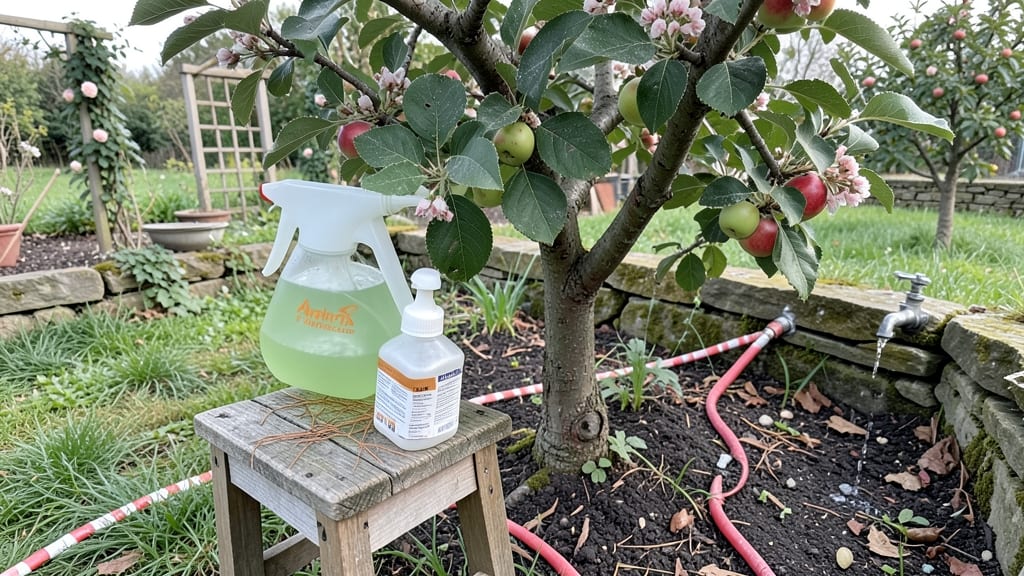
Apple tree fungicides save your harvest from blight and rust before they ruin a single fruit. 🌱 I’ve lost entire seasons to fungal infections—until I learned the right organic sprays, timing, and tricks to keep my orchard thriving.
The key isn’t just spraying; it’s understanding when to act and how to prevent resistance.
Common culprits like apple scab and powdery mildew thrive in damp spring conditions, turning leaves into unsightly messes and fruits into inedible sludge. Organic options like neem oil, copper fungicide, or baking soda sprays work—but only if applied before spores take hold.
Chemical fungicides pack a stronger punch, but they’re overkill for most home gardens and harm beneficial insects.
With the right schedule (early spring, post-bloom, and after rain), you’ll stop fungal spread before it starts. Your trees will stay lush, your fruit will stay firm, and you’ll avoid the heartbreak of a ruined harvest. The secret? Consistency and combining sprays with proper pruning and airflow.
Whether you’re dealing with a first-year infection or just want to prevent future outbreaks, this guide cuts through the confusion. No more guessing—just clear steps to keep your apple trees healthy, productive, and fungus-free season after season.
Root Causes Of Fungal Spread
Fungal infections in apple trees aren’t random—they thrive because of specific conditions that create the perfect storm for spores to germinate, multiply, and attack your orchard. Understanding these triggers helps you prevent (not just treat) problems like apple scab, powdery mildew, and rust.
Here’s why these microscopic invaders turn your trees into their buffet:
Fungi love moisture—think of it as their natural habitat. Apple tree pathogens like Venturia inaequalis (apple scab) and Gymnosporangium juniperi-virginianae (cedar-apple rust) need free water on leaves or fruit for spores to land, germinate, and penetrate plant tissue.
- Why it happens: Spores released from infected leaves or soil splash onto healthy foliage during rain, overhead irrigation, or even morning dew. If humidity stays above 75% for 9+ hours, spores germinate within 6–12 hours.
- Actionable science: Wet leaves create a film of water that dissolves the waxy cuticle, making it easier for fungal hyphae (root-like structures) to invade. Example: A single rainstorm can turn a light scab infection into a full-blown epidemic if conditions persist.
- Pro tip: 🌡️ Use a hygrothermometer (or smartphone app) to track leaf wetness. If it’s damp for 12+ hours, that’s your warning to spray fungicides.
Apple trees packed too tightly or with thick, overlapping branches create a fungal paradise. Stagnant, humid air traps spores near leaves, while poor airflow slows drying—keeping conditions ideal for growth.
- Why it happens: Fungi spread via spore dispersal, but in dense canopies, spores don’t drift away. Instead, they re-infect the same leaves repeatedly. Example: Powdery mildew thrives in shaded, crowded branches where light can’t dry surfaces.
- Actionable science: Studies show that open-grown trees (with 30–50% canopy porosity) reduce fungal load by up to 60% compared to thick, unpruned trees. Pruning breaks up this fungal highway.
- Pro tip: ✨ Thin out water sprouts and raise the lower branches (6–12 inches off the ground) to improve airflow. Even a 50% reduction in branch density cuts fungal pressure.
Fungi exploit stress. When apple trees lack key nutrients or suffer from root issues, their natural defenses weaken, making them easier targets.
| Deficiency | Fungal Risk ⬆️ | Why It Happens |
|---|---|---|
| Low Calcium (Ca) | Apple scab, bitter rot | Calcium strengthens cell walls. Without it, fungal enzymes break down tissue 3x faster. |
| High Nitrogen (N), Low Potassium (K) | Powdery mildew, rust | Excess nitrogen = soft, lush growth (fungi’s favorite snack). Potassium deficiency reduces osmotic pressure, making cells easier to invade. |
| Compacted or Waterlogged Soil | Root rots, crown rot | Poor drainage = anaerobic conditions, which stress roots and trigger ethylene (a plant stress hormone that attracts fungi). |
Actionable fix: Test soil pH (ideal: 6.0–6.5) and amend with compost, lime (for acidity), or potassium sulfate if deficient. Foliar sprays of calcium (like calcium nitrate) can also boost resistance.
Fungal spores overwinter in fallen leaves, mummified fruit, and pruning waste—acting like a dormant bomb ready to explode when conditions warm up.
- Why it happens: Pathogens like Neonectria ditissima (canker) survive 2–3 years in infected wood or leaf litter. When spring arrives, spores reanimate and infect new growth.
- Actionable science: A single infected leaf can release millions of spores in ideal conditions. Example: Cedar-apple rust spores travel 5 miles on wind, but 90% of infections start from nearby debris.
- Pro tip: 🔥 Rake and remove ALL debris from under trees by late winter. Burn or compost in sealed bins—do not leave piles near orchards.
Insects like apple maggot flies and codling moths don’t just damage fruit—they open doors for fungi. Even pruning cuts or hail scars become highway on-ramps for pathogens.
- Why it happens: Fungi like Botryosphaeria (dieback) enter through physical wounds. Example: A 1/4-inch pruning cut left unsealed can invite canker fungi within 48 hours if moisture is present.
- Actionable science: Wounding triggers phenolic compounds (natural fungicides), but if the tree is stressed, these defenses fail. Rule: Prune in dry weather and seal cuts with pruning paint (only if >1/2 inch thick).
- Pro tip: 🎯 Monitor for pests with yellow sticky traps. If you see fruit damage, spray copper fungicide (like Cueva) as a preventative barrier.
Quick Fixes for Fungal Woes
Fungal infections like apple scab, powdery mildew, and rust can turn your lush apple tree into a sad, spotted mess—but don’t panic! With the right fungicide strategies and proactive care, you can restore your tree’s health and prevent future outbreaks.
Below, we break down cause-specific solutions, from organic sprays to cultural fixes, so you can tackle each problem like a pro.
Apple scab thrives in wet, humid conditions, leaving your leaves and fruit covered in dark, velvety spots. Here’s how to kill it fast and keep it from returning:
🔥 Immediate Treatment: Fungicide Sprays - Copper-based sprays (like copper sulfate or copper hydroxide) are FDA-approved organic fungicides that disrupt fungal spores. Mix 1 tbsp per gallon of water and spray thoroughly on leaves, stems, and fruit.
Reapply every 7–14 days during wet seasons. - Baking soda spray (yes, really!) is a budget-friendly, non-toxic option. Combine 1 tbsp baking soda + 1 tbsp horticultural oil + 1 tsp soap per gallon of water. Spray early in the morning to avoid burning leaves.
Repeat every 10–14 days during rainy periods.
🌱 Prevention: Break the Scab Cycle
- Prune in late winter to remove infected branches (sterilize pruners with rubbing alcohol between cuts).
- Improve air circulation by thinning dense foliage—fungi love tight, damp spaces.
- Mulch properly: Use straw or wood chips (not thick layers) to keep soil moist but not soggy.
- Water at the base (never overhead) to keep leaves dry.
This fuzzy white coating weakens trees by blocking sunlight. Act fast with these effective organic controls:
🍳 DIY Sprays for Fast Relief - Neem oil spray (1 tsp neem oil + 1 tsp soap per quart of water) smothers spores and stops new growth.
Spray every 7–10 days until mildew disappears. - Milk spray (1 part milk to 9 parts water + a drop of soap) contains natural compounds that inhibit fungal growth. Test on a small leaf first—some trees react to dairy!
👨🍳 Long-Term Defense Strategies
- Space trees properly (15–20 feet apart) to reduce humidity around leaves.
- Avoid overhead watering—use drip irrigation or soaker hoses.
- Apply reflective mulch (like aluminum foil or white plastic) around the base to reflect sunlight and dry leaves faster.
- Plant mildew-resistant varieties (e.g., ‘Liberty’ or ‘Enterprise’) if you’re in a high-risk zone.
Rust spores appear as orange-yellow pustules on leaves, weakening the tree over time. Aggressive pruning + fungicides are key:
⏰ Step-by-Step Rust Eradication 1. Remove infected leaves/branches—bag and dispose of them (do not compost). 2. Apply sulfur spray (1–2 tbsp per gallon) early in the season (before spores spread). Reapply every 2 weeks if rain washes it off.
- Use potassium bicarbonate (2 tbsp per gallon + 1 tsp soap) as a post-harvest spray to prevent overwintering spores.
🌡️ Prevention: Disrupt the Rust Lifecycle
- Avoid planting apple trees near junipers (a common alternate host for rust).
- Rake up fallen leaves in autumn to remove overwintering spores.
- Encourage beneficial insects (like ladybugs) that feed on fungal spores.
| Season | Action | Why It Works |
|---|---|---|
| Winter | Prune out dead wood | Removes hiding spots for spores |
| Spring | Apply dormant oil spray | Smothers overwintering eggs |
| Summer | Monitor leaves weekly | Catches outbreaks before they spread |
| Fall | Clean up debris | Starves fungi of food sources |
💡 Pro Tip: Rotate fungicides every 2–3 sprays to prevent resistance. For example, alternate copper spray → neem oil → baking soda in a cycle.
By combining organic fungicides, smart pruning, and cultural fixes, you’ll save your apple tree—and your harvest! 🍏🌿
Frequently asked questions
When is the best time to apply fungicides to apple trees?
Start with a dormant spray in late winter (before buds swell) to kill overwintering spores. Then apply pre-bloom sprays (just before petals open) and post-bloom sprays (after petals fall) to protect new growth. Repeat every 10-14 days during rainy seasons or after heavy irrigation.
Can I mix organic fungicides with chemical ones?
No, never mix organic and chemical fungicides together—they can react unpredictably and reduce effectiveness. Instead, alternate applications (e.g., copper spray one week, neem oil the next). Always check product labels for compatibility before combining any sprays.
How do I know if my apple tree has a fungal infection?
Look for dark spots (apple scab), white powdery coatings (mildew), or orange pustules (rust) on leaves. Check fruit for cracking or discoloration and examine branches for cankers or oozing sap. Early detection is key—act at the first sign of symptoms.
Will fungicides harm bees or other pollinators?
Most organic fungicides (like neem oil or baking soda) are bee-safe when applied after blooming. Avoid spraying during active pollination periods. Chemical fungicides pose higher risks—always apply in early morning or late evening when bees are less active, and never spray directly on flowers.
What should I do if my fungicide stops working?
Resistance often happens when you use the same fungicide repeatedly. Rotate products (e.g., copper → sulfur → potassium bicarbonate) and clean pruners with rubbing alcohol between cuts. Also check for poor tree health—stressed trees are more susceptible.