
Plants
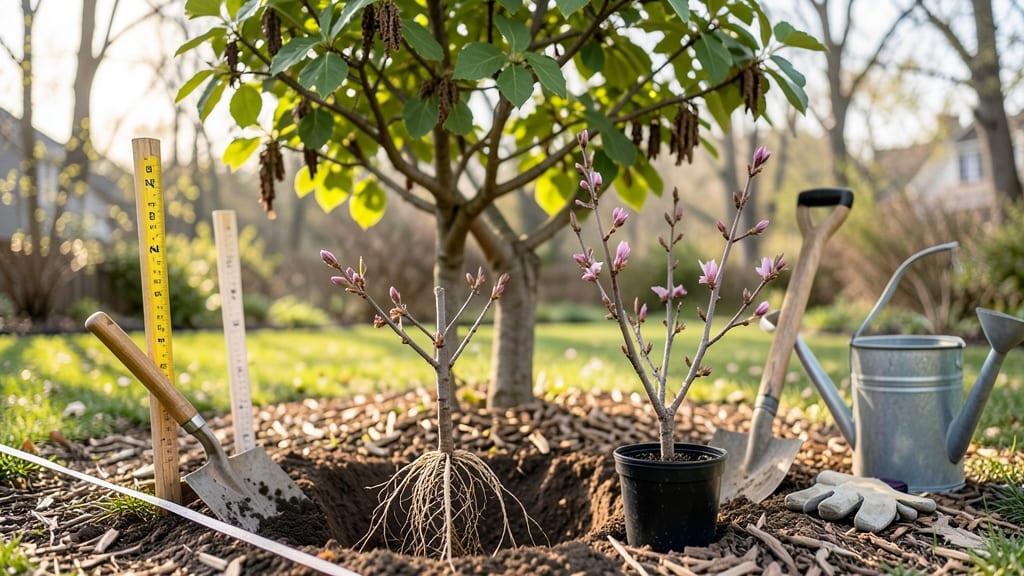
Planting a redbud tree in Texas at the right time ensures those iconic pink blooms will return year after year — and skipping the ideal window can leave your tree struggling through brutal summers.
Timing is everything when planting a redbud tree in Texas—get it wrong, and your stunning spring blooms might never appear. But with the right schedule, this drought-tolerant beauty thrives year after year.
Texas’s 8a-10b climate means frost dates shift dramatically from North to South, but the best months for planting are consistently October through November or February through March. These windows give roots time to establish before extreme heat or cold sets in.
Below, I break down the exact planting months by region, how to prep soil for Texas’s alkaline earth, and why fall planting often outperforms spring for long-term survival.
Best planting months for redbud trees in Texas by region
Texas’s diverse climate means your redbud tree planting window varies dramatically from the Panhandle to South Texas. In North Texas, where last frosts linger until mid-February, early spring planting is ideal.
Meanwhile, Central Texas gardeners enjoy a longer window, while South Texas can plant well into winter. Let’s break down the perfect months for each region to maximize your tree’s survival and spring bloom performance.
Redbud trees thrive when planted during their dormant season, which helps them establish roots before the Texas heat arrives. For most regions, this means fall (October-November) or early spring (February-March).
However, soil temperatures and frost risks create regional variations you can’t ignore. Planting at the wrong time risks transplant shock or even death in extreme cases.
Soil temperature is your secret weapon. Redbuds prefer soil between 50°F and 60°F for root establishment. In North Texas, this means waiting until late March if planting in spring. Meanwhile, South Texas can plant as early as January when soil warms. Always check local USDA Zone guidelines—Texas spans Zones 8a-10b, creating microclimates that demand precision.
Here’s your region-by-region planting schedule, including frost risk analysis and soil temperature factors:
| Region | Best Planting Months | Soil Temp Range (°F) | Frost Risk | Key Consideration |
|---|---|---|---|---|
| North Texas (Zones 8a-8b) | October-November or February-March | 50-60°F | Last frost: Mid-February | Avoid planting in late winter—soil too cold |
| Central Texas (Zones 8b-9a) | October-December or February | 55-65°F | Last frost: Early February | December planting works if soil stays above 50°F |
| South Texas (Zones 9a-10b) | November-January or February-March | 60-70°F | Last frost: Mid-January | January planting ideal—avoids summer heat stress |
In North Texas, where winters are colder, focus on fall planting (October-November). The tree establishes roots before winter, then blooms spectacularly in spring. If you must plant in spring, wait until March when soil temperatures rise above 50°F.
Avoid late winter planting—your redbud may struggle to establish before the heat arrives.
Central Texas offers the most flexibility. You can plant from October through December or in February. December works if your soil stays above 50°F, but monitor forecasts for unexpected cold snaps. This region’s milder winters make redbuds particularly resilient when planted correctly.
For South Texas, the window extends into January. Planting in late fall or early winter lets your redbud avoid the brutal summer heat. If you plant in spring, aim for February to give roots time to establish before the 100°F+ temperatures of summer.
South Texas gardeners often see faster establishment due to longer growing seasons.
Pro tip: Use a soil thermometer to confirm temperatures before planting. If soil is below 50°F, wait—your redbud’s roots won’t thrive. In North Texas, this might mean delaying until late March for spring plantings. Patience here pays off with healthier trees and better blooms next spring.
Regardless of region, always water deeply after planting and apply 2-3 inches of mulch to retain moisture. Redbuds are drought-tolerant once established, but young trees need consistent care. In South Texas, where summers are scorching, deep watering every 5-7 days is critical until roots spread.
Timing your redbud planting by region ensures your tree survives Texas’s extremes and rewards you with vibrant spring blooms for decades. Whether you’re in freeze-prone North Texas or mild South Texas, following these guidelines will set your redbud up for success. Now grab your shovel and get planting!
🌳
Critical factors that determine redbud planting success in Texas
Planting a redbud tree in Texas isn't just about picking the right month—it's about creating the perfect conditions for survival. Texas' variable climate, from scorching summers to unpredictable freezes, demands careful attention to soil health, water management, and sunlight exposure.
These factors often make the difference between a thriving tree and one that struggles to establish roots.
One of the biggest mistakes Texas gardeners make is assuming redbuds are low-maintenance. While they're drought-tolerant once established, young trees need consistent moisture and protection from Texas' intense heat and soil alkalinity.
Without proper preparation, even the best planting timing can fail. Let's break down the critical factors that ensure your redbud thrives in Texas' challenging conditions.
⚠️ Texas-Specific Redbud Planting Pitfalls
Planting redbuds in alkaline Texas soil without amending it can stunt growth. Overwatering during summer leads to root rot, while insufficient mulch causes soil moisture loss. Many gardeners also plant too deep, smothering the tree's graft union. Avoid these mistakes by testing your soil, watering deeply but infrequently, and using 2-3 inches of mulch.
Texas soils often have a high pH level (7.5 or above), which can lock out essential nutrients like iron and manganese that redbuds need. Before planting, test your soil and amend with compost or sulfur to lower pH to an ideal range of 6.0-7.0.
This simple step can dramatically improve nutrient uptake and root development. I've seen redbuds planted in unamended alkaline soil struggle for years—don't let that happen to yours.
Water needs are another critical factor where Texas gardeners often misjudge. While redbuds are drought-tolerant once established, young trees need deep, infrequent watering to encourage strong root growth. In Texas' heat, shallow watering leads to weak roots that can't reach moisture deep in the soil.
Aim for 15-20 gallons per week during the first growing season, delivered in the early morning to reduce evaporation.
Sunlight exposure plays a surprising role in Texas redbud success. While they thrive in full sun, Texas' intense afternoon sun can scorch young leaves. In Central and South Texas, partial shade during the hottest months (June-August) gives redbuds a better chance to establish.
I recommend planting near existing trees or structures that provide afternoon shade for the first year, then gradually exposing the tree to full sun as it matures.
Finally, proper planting depth is often overlooked but crucial. Many Texas gardeners dig holes that are too deep, burying the graft union (visible on nursery trees) below soil level. This can lead to disease and poor growth.
Plant with the graft union 1-2 inches above soil level and backfill with a mix of native soil and compost. This small detail makes a huge difference in long-term health.
By paying attention to these critical factors—soil amendment, water management, sunlight balance, and proper planting depth—you'll give your Texas redbud the best chance to thrive.
These considerations work together to create the ideal growing conditions, ensuring your tree develops a strong root system and vibrant spring blooms year after year. 🌳