
Pests
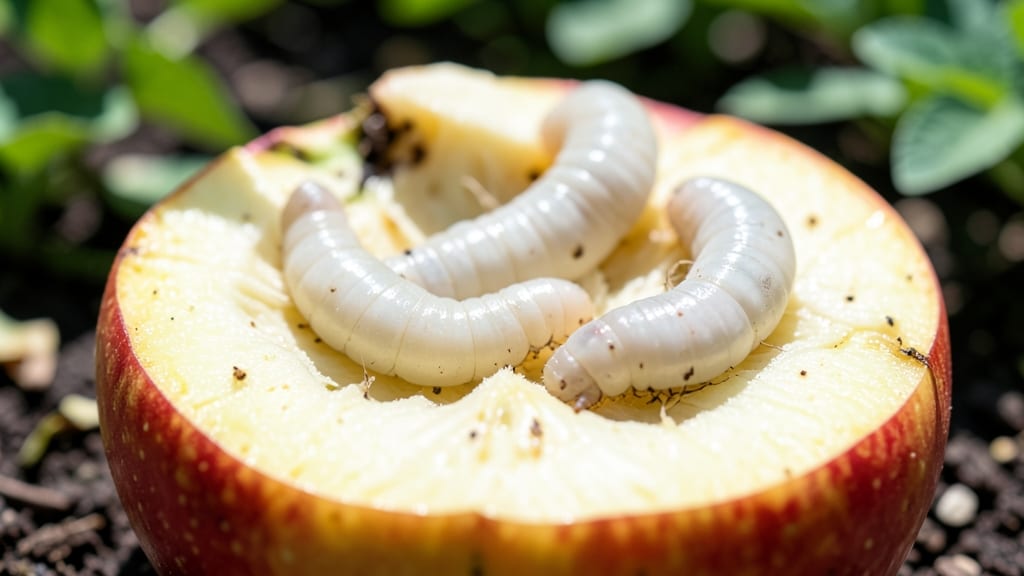
Those tiny white worms crawling under your tree bark are a fast-moving problem that can cripple your tree in weeks. 🌳 I’ve seen healthy oaks turn into hollow shells because of them—usually white grubs or bark beetle larvae—but the good news is you can stop them before they do real damage.
The key is acting fast with organic sprays like neem oil or beneficial nematodes, which smother their life cycle without harming your tree. The first sign is usually wilting leaves or holes in the bark, sometimes with sawdust-like frass (that’s insect poop) piled up below.
If you spot these, don’t wait—prune away infected branches immediately and treat the soil or bark with a fast-acting organic spray. The sooner you act, the better your tree’s chances of bouncing back.
By the end of the week, you’ll see fewer worms and stronger new growth if you’ve hit the right spots. The secret is consistency: reapply sprays every 7-10 days until the infestation is gone. Healthy trees recover faster, so keep them well-watered and mulched while you work.
This method works for apple, oak, and maple trees—just adjust the spray concentration based on the severity. Let’s get your tree back to thriving!
Underlying Causes Of White Tree Invaders
White, worm-like creatures slithering through your trees aren’t just an eyesore—they’re a sign of deeper issues. Understanding why these pests appear helps you tackle the root problem (and prevent future outbreaks). Let’s break down the most common culprits and their scientific triggers.
When trees struggle to thrive, they become weak targets for pests. Overcrowded roots—often from compacted soil, poor drainage, or excessive mulch—create the perfect breeding ground for white grubs (larvae of beetles like Japanese beetles) or sawfly larvae. Here’s why:
- Nutrient Deficiency: Trees deprived of nitrogen, phosphorus, or potassium produce weak, sugary sap—an all-you-can-eat buffet for hungry larvae.
- Fungal Symbiosis: Some white worms (like lepidopteran larvae) thrive in trees already infected with root fungi (e.g., Armillaria). The fungi weaken the tree, making it easier for pests to invade.
- Moisture Imbalance: Overwatered or waterlogged soil creates anaerobic conditions, stressing roots. This stress triggers the tree to release volatile organic compounds (VOCs), which attract egg-laying adult beetles.
Actionable Fix: Test your soil’s pH and nutrient levels (ideal range: 6.0–7.0). Aerate compacted soil and apply compost or mycorrhizal fungi to boost root resilience.
Most white tree worms start as eggs laid by adult pests like Japanese beetles, June bugs, or sawflies. These insects are highly selective about where they deposit their eggs—and your tree’s health plays a huge role:
| Pest Type | Egg-Laying Trigger | White Worm Result |
|---|---|---|
| Japanese Beetle | Lays eggs in well-drained, sandy loam near stressed grass or young trees (they detect ethylene gas from dying plants). | White, C-shaped grubs that chew roots. |
| Sawfly Larvae | Prefers newly pruned or wounded trees—fresh sap signals vulnerability. Females chew slits in bark to lay eggs. | Smooth, white, looping caterpillar-like larvae that skeletonize leaves. |
| Bagworms | Adult females never fly—they crawl to the tips of branches and lay eggs in silk bags. High humidity (60%+) triggers hatching. | White, worm-like larvae covered in silk and debris. |
Pro Tip: 🌡️ Monitor adult pest activity in late spring/early summer. Use yellow sticky traps near trees to catch egg-layers before they strike.
Trees under stress—whether from drought, extreme heat, or pollution—emit chemical distress signals that pests can’t resist. Here’s how climate and pollution turn your tree into a pest magnet:
- Drought Stress: Trees conserve water by reducing sap flow, but this creates starchy root tissue—a favorite snack for white grubs. Studies show Japanese beetle grubs grow 30% faster in drought-stressed soil.
- Urban Pollution: High levels of ozone (O₃) or sulfur dioxide (SO₂) damage leaf stomata, forcing trees to allocate energy to repair instead of defense. This weakens their ability to repel pests.
- Sudden Temperature Shifts: Freeze-thaw cycles or heatwaves disrupt the tree’s phenological cycle (growth stages), confusing its natural pest-repellent mechanisms.
Quick Fix: 💡 Deep-water trees during droughts (1–1.5 inches per week) and apply mulch 3 inches thick to retain moisture and regulate soil temp.
Sometimes, the problem isn’t nature—it’s us. Poor landscaping or horticultural practices create the perfect conditions for white worms to move in:
- Excessive Pruning: Fresh cuts expose phloem tissue, which sawflies and borers use as egg-laying sites. 30% of bagworm infestations start on recently pruned oak or pine.
- Monoculture Plantings: Planting the same tree species in clusters (e.g., all oaks or pines) gives pests a buffet effect. White pine weevils, for example, target only white pines.
- Ignoring Leaf Litter: Decaying leaves trap moisture and provide shelter for overwintering larvae. Remove fallen leaves in autumn to break their life cycle.
- Using Synthetic Fertilizers: Chemicals like high-nitrogen fertilizers boost pest-attracting foliage growth while weakening root defenses.
Actionable Tip: ✨ Diversify your landscape with pest-resistant species (e.g., crepe myrtle instead of willow) and prune in late winter to avoid inviting egg-layers.
Quick Fixes for White Tree Invaders
If you’ve spotted white, worm-like pests crawling on your trees, don’t panic—there are effective, organic ways to tackle them fast. The solution depends on the culprit (e.g., mealybugs, scale insects, or sawfly larvae), but the good news is that most can be controlled without harsh chemicals.
Below, we break down targeted fixes based on the most common causes, plus prevention tips to keep your trees healthy long-term.
Before spraying or pruning, confirm what you’re dealing with:
- Mealybugs or scale? Look for cottony white clusters or hard, shell-like bumps on leaves/stems.
- Sawfly larvae? Check for white, worm-like caterpillars (no legs) munching on foliage.
- Aphids? Tiny white blobs that leave sticky residue (honeydew).
Pro tip: 🔍 Use a magnifying glass or take a close-up photo—misidentifying pests can waste time and money!
1.
For Mealybugs & Scale Insects (Sticky White Pests) 🔥 Soap Spray (Fastest Fix) - Mix 1 tbsp mild liquid castile soap + 1 quart water in a spray bottle. - Add 1 tsp neem oil (optional but boosts effectiveness). - Spray directly on infested areas (under leaves, crevices) until dripping. - Repeat every 5–7 days until pests vanish. - Why it works: Soap disrupts their waxy coating, causing dehydration.
🌿 Neem Oil Solution (Prevents Regrowth)
- Combine 1 tbsp neem oil + 1 tsp horticultural oil + 1 quart water.
- Add a dash of dish soap (½ tsp) as an emulsifier.
- Spray evenly on all surfaces, including bark and leaf undersides.
- Reapply every 7–10 days for 3–4 weeks.
- Pro tip: 🌡️ Apply in early morning or late evening to avoid burning leaves in sunlight.
2.
For Sawfly Larvae (White Worms on Leaves) 👨🍳 Bacillus Thuringiensis (BT) – Safe & Effective - Use BT kurstaki strain (sold as Dipel or Xentari). - Mix 1 tsp BT powder with 1 quart water (follow label instructions). - Spray thoroughly, ensuring coverage on both sides of leaves. - Reapply every 7–10 days until larvae stop appearing. - Why it works: BT is a natural bacteria that targets caterpillars/worms without harming bees or birds.
🔪 Prune & Destroy (For Heavy Infestations)
- Cut off heavily infested branches (seal cuts with pruning sealant).
- Drop larvae in soapy water (don’t compost—they’ll reinfest).
- Dispose of debris in a sealed bag.
- Pro tip: ✨ Prune on a dry day to reduce fungal risks.
3. For Aphids (Tiny White Clusters)
🥘 Water Blast (Instant Relief)
- Use a strong hose spray to knock aphids off leaves (works best on soft-bodied pests).
- Repeat every 2–3 days until gone.
- Best for: Small trees or early-stage infestations.
🌿 Garlic & Chili Pepper Spray (Natural Repellent)
- Blend 3 garlic cloves + 1 tbsp cayenne pepper + 1 quart water.
- Strain, add 1 tsp soap, and spray on leaves.
- Reapply every 5 days.
- Why it works: The strong scent deters aphids and disrupts their feeding.
Once you’ve eliminated the pests, keep them from returning with these habits:
| Prevention Step | How to Do It | Why It Helps |
|---|---|---|
| 🌿 Encourage Beneficial Insects | Plant marigolds, lavender, or dill near trees to attract ladybugs & lacewings. | These predators eat mealybugs and aphids naturally. |
| 💡 Regular Tree Inspections | Check every 2 weeks for early signs (sticky leaves, white fuzz, holes). | Catches infestations before they spread. |
| 🌡️ Maintain Tree Health | Water deeply but infrequently (avoid overwatering). | Healthy trees resist pests better. |
| 🎯 Prune for Airflow | Remove dense or dead branches to improve sunlight and airflow. | Reduces moisture buildup (a mealybug/scale favorite). |
| 🍎 Use Mulch Wisely | Apply 2–3 inches of organic mulch (wood chips, bark) away from the trunk. | Discourages pests that hide in damp soil. |
If your tree is large, severely infested, or in a high-value area, consider hiring an arborist or organic pest control expert.
They can: - Assess hidden infestations (like bark-dwelling pests). - Recommend targeted treatments (e.g., systemic neem oil injections for stubborn cases). - Provide seasonal treatment plans for recurring pests.
Final Reminder: 🌟 Patience is key—some pests take 3–4 weeks to fully eradicate. Stick with your chosen method, and your trees will bounce back stronger!
Frequently asked questions
Are white tree worms harmful to my tree?
Yes, they can cause serious damage if left untreated. White worms like grubs (Japanese beetle larvae) chew roots, while sawfly larvae skeletonize leaves, weakening the tree's ability to photosynthesize. Look for wilting leaves or holes in bark—these are red flags that demand action.
How do I tell if white worms are grubs vs. sawfly larvae?
Grubs are C-shaped, white, and fatter (like tiny maggots) and live in soil or under bark, while sawfly larvae are smooth, worm-like, and loop as they crawl on leaves. Grubs damage roots, while sawfly larvae create lace-like holes in foliage.
Will neem oil kill white tree worms?
Neem oil works best for mealybugs and scale, but it’s less effective against grubs or sawfly larvae. For worms, use Bacillus thuringiensis (BT) or soapy water sprays instead. Reapply every 7-10 days for full eradication.
Can I use chemical pesticides on my tree?
Chemicals like imidacloprid can kill worms quickly, but they harm beneficial insects and may leave residues. For organic solutions, try beneficial nematodes (for grubs) or kaolin clay (as a physical barrier). Always test a small area first.
How long does it take to see results after treatment?
Most organic sprays (neem, BT, or soapy water) take 1-2 weeks to show visible improvement. For severe infestations, expect 3-4 weeks of consistent treatment. Monitor closely and reapply if worms persist.