
Pruning
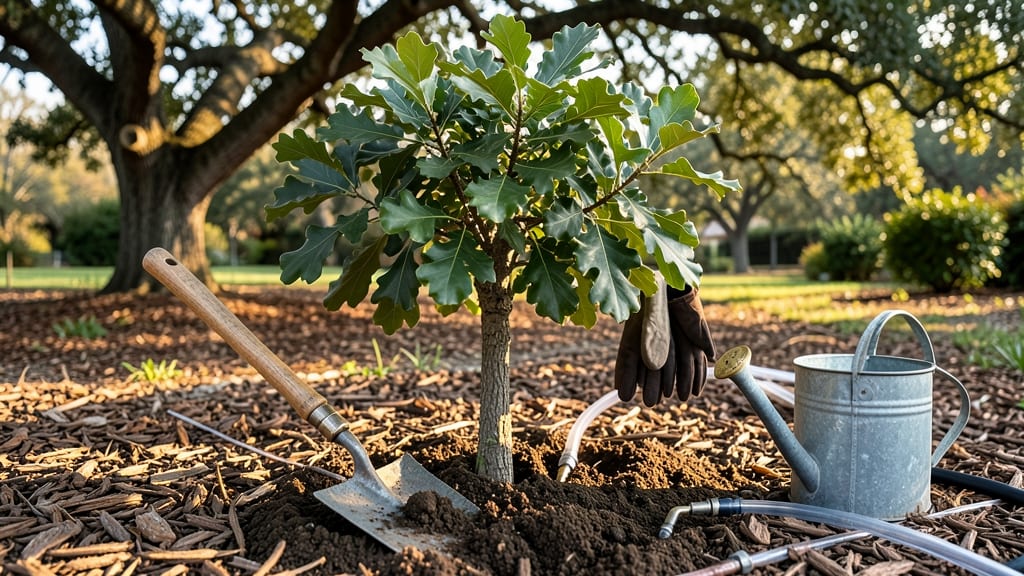
Planting trees in Sonoma County means choosing climate-smart species that thrive in our coastal fog and summer heat. 🌳 I’ve planted over a dozen native trees here, and the key is matching the right tree to your microclimate—whether you’re in the dry hills or the foggy coast.
The best time to plant is late fall or early winter when the soil stays cool and moisture is plentiful.
Start with soil prep: Sonoma’s clay-heavy soils need amending with compost or organic matter to improve drainage. Dig a hole twice as wide as the root ball but no deeper—this encourages roots to spread outward instead of circling.
Native species like coast live oak, California sycamore, and Pacific dogwood handle our conditions best, while Mediterranean varieties like olive and pistachio need extra care in wet winters.
After planting, water deeply once a week for the first year to establish strong roots. Mulch with wood chips to retain moisture and keep weeds at bay. The payoff? A thriving tree that supports local wildlife, cools your property, and adds value—while doing right by Sonoma’s ecosystem.
Check local resources like CalFire’s rebate programs or Sonoma County’s Urban Forestry grants before you dig. Many nurseries here carry drought-tolerant, fire-resistant varieties—ask for their recommendations. Your new tree will thank you for the thoughtful start.
📚 In This Guide
- What you need
- Instructions
- Tips and common mistakes
- Wrapping up and next steps
What you need
- ● Tree: Choose a native or climate-adapted species (e.g., Quercus agrifolia, Arbutus menziesii, or Umbellularia californica). Purchase from a local nursery (1–3 years old, 4–6 ft tall).
- ● Shovel: A round-point or digging shovel (18–24" long) for digging the hole.
- ● Garden Gloves: Heavy-duty, water-resistant gloves to protect your hands.
- ● Water: At least 10 gallons (or a hose with a gentle spray nozzle) for initial watering.
- ● Mulch: 3–4 inches of organic mulch (wood chips, straw, or bark) to retain moisture and suppress weeds.
- ○ Tree Stake & Ties (Optional): Only needed for young or top-heavy trees. Use biodegradable ties and a flexible stake.
- ● Location Check: Ensure your spot gets 6+ hours of sunlight (varies by species) and has 6+ feet of clearance from power lines or structures.
- ● Soil Test (Recommended): Sonoma County offers free or low-cost soil testing through UC Master Gardeners. Adjust pH if needed (most natives prefer 6.0–7.5).
- ● Permits (If Applicable): Check with your local county or city—some areas require permits for large trees or urban planting.
- ● 🌡️ Plant in late fall or early winter (Nov–Jan) to avoid summer drought stress.
- ● ✨ Avoid overwatering—Sonoma’s clay soil can suffocate roots if soggy.
- ● 🔥 Use drip irrigation for the first year to encourage deep root growth.
Climate-smart tree planting techniques for Sonoma County
Sonoma County's unique microclimates demand smart planting strategies. Here's how to establish trees that thrive despite our foggy coasts and dry inland zones.
🌱 Step 1: Choose the Right Tree for Your Microclimate
Sonoma County's climate varies dramatically—coastal areas get 30-40 inches of rain annually while inland zones see 15-25 inches. For coastal sites, native live oaks or coast redwoods handle moisture and fog beautifully. Inland areas need drought-tolerant species like valley oaks or toyon that store water efficiently.
Check your USDA hardiness zone (Sonoma spans 7b-10) and soil type before selecting. Clay-heavy areas? Avoid willows—they hate soggy roots. Sandy soils? Opt for manzanitas that thrive in poor, dry conditions. I always dig a hole twice as wide as the root ball to prevent root circling, which strangles young trees.
🪴 Step 2: Prepare the Planting Site Like a Pro
Dig your planting hole 3 times wider than the root ball but no deeper—this prevents root suffocation. The top of the root ball should sit 1-2 inches above ground level to prevent water pooling. In clay soils, I loosen the sides of the hole with a shovel to encourage root spread.
For coastal areas, add a 1-inch layer of compost mixed into the bottom of the hole. Inland sites benefit from a 2-inch layer of wood chips> to retain moisture. Never amend the native soil with heavy amendments—this creates a "soil sandwich" that confuses roots. Instead, focus on proper drainage and mulch placement.
☀️ Step 3: Plant at the Right Time and Water Deeply
Plant between November and March> when temperatures are cool and rainfall is steady. Avoid summer planting—young roots can't handle our hot, dry spells. Water the root ball thoroughly 24 hours before planting> to reduce transplant shock.
After planting, water deeply until the soil 12 inches down> feels moist. Use a garden hose with a slow watering attachment to avoid eroding the soil. For the first 3 months>, water weekly during dry periods. You'll know it's working when the soil around the tree stays consistently damp but not soggy.
🌿 Step 4: Mulch and Protect for Long-Term Success
Spread 3-4 inches of wood chips> in a donut shape around the tree, keeping mulch 6 inches away from the trunk> to prevent rot. This mimics natural forest conditions and regulates soil temperature. In coastal areas, add a 1-inch layer of straw mulch> on top to retain moisture during foggy winters.
Install a tree guard> if deer or rabbits are present—Sonoma's wildlife will strip bark before roots establish. Water deeply once a month after the first 3 months, focusing on slow, deep soakings that encourage deep root growth. You'll see new growth within 6-8 weeks> if everything is right.
⏰ Step 5: Monitor and Adjust for Seasonal Changes
Check soil moisture monthly by inserting a screwdriver 6 inches down>. If it goes in easily, roots are happy. If it's dry, water immediately. Coastal trees may need 10-15 gallons per week> during summer fog breaks, while inland trees might require 20-30 gallons> during heatwaves.
Prune only to remove dead branches in the first year. Wait until spring> to prune new growth—never prune in fall or winter when trees are dormant. Sonoma's windy conditions mean you'll need to stake young trees until they develop strong root systems, usually after 1-2 years>.
Tips & tricks for thriving trees in Sonoma County
These insights will help you navigate Sonoma's tricky climate for trees that last decades—not just seasons.
Microclimate Matching: The first rule is knowing your zone. Coastal areas (like near the ocean) need moisture-loving species like coast live oaks, while inland spots (think Dry Creek Valley) thrive with drought-resistant toyon. I always check the USDA zone map before buying—Sonoma spans zones 7b-10, so a tree perfect for Santa Rosa might flounder in Healdsburg. The key is matching rainfall patterns: 30-40 inches for coastal, 15-25 for inland.
Digging Wisdom: When you're preparing that hole 3 times wider than the root ball, here's what I've learned: The sides don't need to be perfectly smooth. Rough edges help roots spread faster. And that 1-2 inch elevation above ground level? It's not just about drainage—it prevents water pooling that can rot roots. In clay soil, I use a shovel to loosen the sides vertically, creating channels for roots to explore.
Watering Strategy: That 24-hour pre-planting soak is non-negotiable. I've seen trees struggle when planted dry—roots need that hydration to start growing immediately. For the first 3 months, I set a timer for weekly checks. The soil should feel like a damp sponge 12 inches down. Too dry? Water slowly until it's moist. Too soggy? Wait a day and try again. Coastal trees might need 10-15 gallons weekly during summer fog breaks, while inland varieties can drink 20-30 gallons during heatwaves.
Mulch Mastery: That 3-4 inch wood chip donut around your tree isn't just decoration. It regulates soil temperature and retains moisture. The secret? Keep it 6 inches away from the trunk to prevent rot. For coastal areas, I add a 1-inch layer of straw on top—it traps fog moisture like a natural blanket. And that tree guard? Essential if deer or rabbits are nearby. I've seen them strip bark clean off young trees before roots even establish.
Pro Tips for Tree Planting Sonoma County Ca
- These insights will help you navigate Sonoma's tricky climate for trees that last decades—not just seasons.
- Microclimate Matching: The first rule is knowing your zone. Coastal areas (like near the ocean) need moisture-loving ...
- Digging Wisdom: When you're preparing that hole 3 times wider than the root ball, here's what I've learned: The sides...
Frequently asked questions
Got questions about planting trees in Sonoma County? You’re not alone! Here are answers to the most common queries to help you get started on your climate-smart tree project.
What’s the best time of year to plant trees in Sonoma County?
For optimal success, plant deciduous trees in early winter (November–February) when the ground is cool and moist but not frozen. Evergreens can go in late fall or early spring. Avoid summer heat—it stresses young roots! Sonoma’s Mediterranean climate means timing matters for survival.
How close to my house or driveway should I plant a tree?
Check local Sonoma County land-use codes, but a general rule is:
- 15–20 feet from your home (for mature tree height + root spread).
- 5–10 feet from driveways/walkways (to avoid root damage to pavement).
How often should I water a newly planted tree in Sonoma County?
Water deeply 2–3 times per week for the first year (about 10–15 gallons per watering). After that, reduce to once a week during dry spells. Use drip irrigation or soaker hoses to encourage deep root growth. Mulch helps retain moisture—just keep it 3–4 inches deep and away from the trunk.
Are there native trees that thrive in Sonoma County’s climate?
Try these drought-tolerant, climate-resilient options:
- Tanoak (Lithocarpus densiflorus) – Fire-resistant and supports wildlife.
- California Sycamore (Platanus racemosa) – Fast-growing with stunning bark.
- Toyon (California Holly) (Heteromeles arbutifolia) – Evergreen and bird-friendly.
- Valley Oak (Quercus lobata) – Iconic but needs space!
My tree’s leaves are yellowing—what’s wrong?
Yellow leaves can mean overwatering, underwatering, or nutrient deficiency. Check the soil:
Too wet? Adjust watering and improve drainage (add compost).
Too dry? Water deeply and mulch.
Nutrient issues? Test soil and amend with compost or slow-release fertilizer in early spring.
If only new leaves are yellow, it might be a fungal issue—prune affected branches and avoid overhead watering.Wrapping up and next steps
Planting trees in Sonoma County, CA, isn’t just about beautifying your landscape—it’s a powerful step toward a greener, more resilient future. 🌱 By choosing the right species, preparing the soil, and using climate-smart techniques, you’re helping combat drought, improve air quality, and support local ecosystems.
Your effort makes a real difference, whether you’re restoring a backyard or contributing to a larger conservation project.
Ready to take action? Start small—plant one tree today, and watch your impact grow over time. Need guidance? Check out local resources like the Sonoma County Ag + Open Space or connect with community groups for support. Every tree planted is a seed for a healthier planet!