
Trees
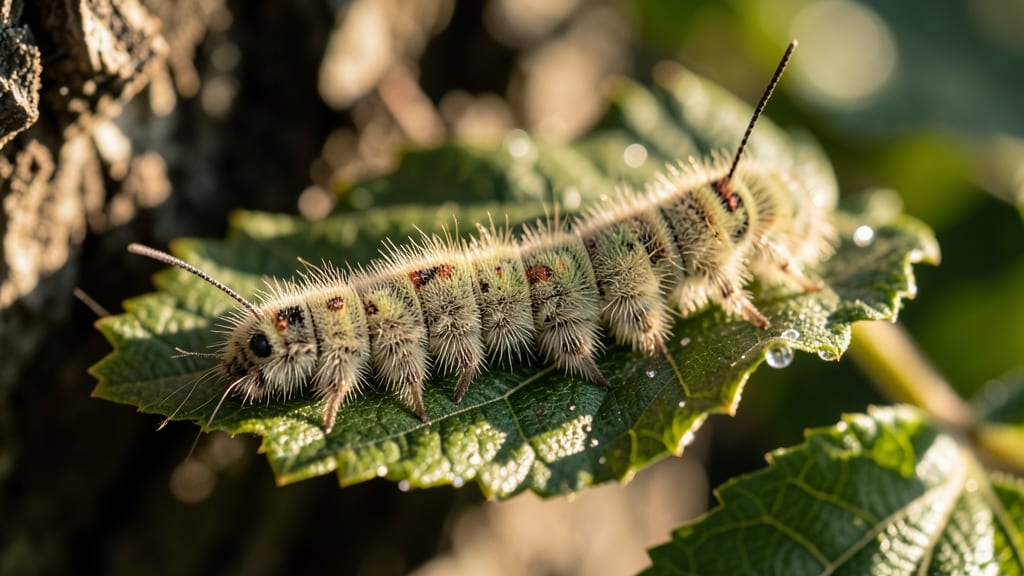
Spotting tree-killing worms on your trunk or branches means your tree is in serious trouble—and fast. 🌳 These chewers and borers don’t just nibble leaves; they strip bark, tunnel into wood, and can kill a mature tree in months.
I’ve seen oak trees go from lush to skeletal in a single season because of them, so knowing what to look for (and how to act) is critical.
The worst offenders include gypsy moth caterpillars, bark beetles, and root weevils—each leaving telltale signs like sawdust-like frass, holes, or wilting despite good soil. The good news? Early action can save your tree.
I’ve rescued maples and pines from the brink using a mix of pruning, beneficial predators, and targeted sprays, and I’ll walk you through the exact steps that work.
By the end, you’ll know how to identify these pests, when to intervene, and which natural remedies (like neem oil or nematodes) can stop them without harming your yard.
You’ll also spot the subtle early warnings before they become a full-blown crisis—think of it as a health check for your tree’s immune system. This isn’t just about saving a tree; it’s about protecting your landscape’s backbone. Let’s get your trees back to thriving, not just surviving.
Root Causes Of Tree Damage
When destructive worms invade trees, they rarely act alone—they’re often the symptom of deeper ecological or environmental imbalances. Understanding these root causes helps homeowners and arborists take targeted action to prevent further damage. Below, we break down the key factors that turn these tiny larvae into tree-killing threats.
Healthy trees thrive in well-aerated soil with balanced nutrients, but when roots become compacted, waterlogged, or nutrient-starved, they weaken—making them prime targets for pests. Here’s how soil conditions create the perfect breeding ground for tree-killing worms:
- 🔬 Compacted Soil: Heavy foot traffic, construction, or clay-heavy soil prevents oxygen from reaching roots. Worms like leopard moth larvae (a common tree killer) burrow deeper into stressed roots, where they feast undetected.
- 💧 Waterlogged Conditions: Poor drainage from heavy rains or irrigation overuse creates anaerobic (oxygen-poor) zones. Fungal pathogens often follow, further weakening the tree and attracting worms that thrive in decaying wood.
- ⚖️ Nutrient Imbalance: Trees deficient in nitrogen or phosphorus (common in urban areas with depleted soil) produce low-quality sap, which worms find irresistible. A simple soil test can reveal deficiencies before damage occurs.
💡 Pro Tip: Aerate compacted soil with a garden fork or hire an arborist to install tree wells (mulch-filled basins) to improve drainage and root health.
Trees under stress—whether from drought, extreme heat, or harsh winters—produce compounds that attract pests. Worms like gypsy moth caterpillars or emerald ash borer larvae zero in on trees already struggling to survive. Here’s how environmental stress sets the stage:
| Stress Factor | How It Weakens Trees | Worm Response |
|---|---|---|
| 🔥 Drought | Roots shrink, reducing sap flow and making bark easier to penetrate. | Worms like sawfly larvae bore into drought-stressed bark, where moisture is trapped. |
| ❄️ Winter Burn | Cold snaps dehydrate leaves, forcing trees to divert energy to survival—leaving roots vulnerable. | Winter moth larvae hatch early in spring, targeting weakened branches. |
| 🌪️ Storm Damage | Broken branches create entry points; fallen trees provide debris for worm habitats. | Fungal-feeding worms (e.g., wood borers) colonize damaged wood within weeks. |
🌡️ Actionable Fix: Mulch trees 3–4 inches deep (but keep it away from the trunk) to retain moisture and regulate soil temperature. Drip irrigation systems can also mitigate drought stress.
Some worms become tree killers not because of the tree’s health, but because of uncontrolled population growth. When natural predators (like birds, parasitic wasps, or fungi) decline, worm larvae multiply rapidly. Here’s why outbreaks happen:
- 🚫 Loss of Natural Predators: Pesticide overuse or habitat destruction (e.g., removing bird-feeding shrubs) removes the worms’ biggest threats. For example, gypsy moths surged in the U.S. after DDT banned their predators.
- 🌿 Monoculture Plantings: Orchards or urban landscapes with single tree species (like ash trees for emerald ash borers) create worm buffets. Diversity confuses pests and dilutes their food sources.
- 🌍 Climate Change Shifts: Warmer winters extend worm breeding seasons. Spruce budworm larvae, once rare in cooler regions, now thrive in expanded habitats.
✨ Prevention Strategy: Encourage biodiversity with native plants that attract predator species. For example, neon lights at night lure moth-eating bats, while berry bushes feed birds that dine on caterpillars.
Sometimes, the biggest culprit is us. Poor landscaping, transportation, or even well-intentioned gardening can introduce or worsen worm infestations. Here’s how:
- 🚛 Firewood & Nursery Stock: Moving infested firewood or buying contaminated nursery trees spreads worms like emerald ash borers across regions. Always inspect and quarantine new plants.
- 🌳 Poor Pruning Practices: Topping trees or making jagged cuts creates wound sites where worms lay eggs. Use clean, sharp tools and prune during dormant seasons (late fall/winter).
- 🧹 Ignoring Debris: Piles of wood chips, bark mulch, or fallen branches provide hiding and breeding grounds. Remove debris within 50 feet of trees to break worm life cycles.
🎯 Long-Term Solution: Follow USDA plant quarantine guidelines and partner with local extension services for pest alerts in your area.
How to Rescue Your Trees
When destructive worms invade your trees, swift action is key to saving their health and preventing further damage. Below are targeted solutions for the most common causes—from larval infestations to fungal hitchhikers—along with practical prevention tips to keep your trees thriving.
If sawfly larvae, bagworms, or gypsy moth caterpillars are defoliating your trees, act fast to disrupt their life cycle.
🔥 Step 1: Manual Removal (Early Stages)
- 👨🍳 Pick off larvae by hand when they’re small (before they spin cocoons).
- 🥘 Drop them in soapy water—this kills them instantly without chemicals.
- ⏰ Best time: Early morning or evening when larvae are sluggish.
🔪 Step 2: Prune and Destroy
- 🌿 Trim heavily infested branches and dispose of them in sealed bags.
- 🔥 Burn or trash them—never compost, or you’ll spread eggs.
💡 Pro Tip: Use a drop cloth under trees to collect fallen larvae for disposal.
🌡️ Prevention:
- 🎯 Install pheromone traps in spring to monitor and reduce adult moth populations.
- ✨ Apply horticultural oil to egg masses in winter to smother them.
If worms like root-knot nematodes or wood-boring beetle larvae are causing rot, focus on soil health and targeted treatments.
🔥 Step 1: Soil Testing and Amendments
- 📊 Test your soil for nematodes or fungal pathogens (local extension offices offer affordable kits).
- 💪 Boost beneficial microbes with compost tea or mycorrhizal fungi to outcompete pests.
🍳 Step 2: Chemical-Free Controls
- 🥗 Apply neem oil (1% solution) to foliage to deter egg-laying adults.
- 🌿 Plant nematode-resistant species (e.g., oak, pine, or fruit trees with strong root systems).
🔪 Step 3: Severe Cases? Try Beneficial Nematodes
- **🐛 Introduce Steinernema feltiae (a natural predator) to soil in early spring or fall.
- ⏰ Follow package instructions—overapplication can harm beneficial insects.
💡 Pro Tip: Avoid overwatering—wet soil encourages fungal growth and nematode activity.
If wood-boring beetles (like emerald ash borers) have weakened your tree’s structure, focus on containment and support.
🔥 Step 1: Identify and Isolate
- 👨🍳 Look for D-shaped exit holes or sawdust-like frass at the base.
- 🥘 Quarantine infested trees to prevent spread to healthy ones.
🔪 Step 2: Professional Treatment
- 🌿 Consult an arborist for systemic insecticides (e.g., imidacloprid) injected into the trunk.
- ⏰ Act in late spring/early summer when larvae are most vulnerable.
🌡️ Prevention:
- 🎯 Keep trees healthy with proper pruning and watering to boost natural defenses.
- ✨ Plant diverse species—monocultures attract pests more easily.
Prevention is the best cure! Implement these low-effort, high-impact strategies:
| Tactic | How to Do It | Best Time |
|---|---|---|
| 🌿 Mulch properly | Apply 3–4 inches of wood chips (not fresh sawdust) to retain moisture and deter pests. | Spring/Fall |
| 🐝 Encourage predators | Plant native flowers (e.g., milkweed, coneflowers) to attract ladybugs and birds. | Spring/Summer |
| 🌡️ Monitor regularly | 🎯 Inspect trees every 2 weeks for early signs of eggs, larvae, or frass. | Year-round |
| 🔄 Rotate treatments | Avoid repeated use of the same pesticide—pests build resistance. | As needed |
Final Thought: 🌳 Healthy trees are resilient trees. Combine immediate action (like manual removal or targeted sprays) with long-term care** (soil health, diverse planting) to keep your trees thriving—and worm-free!
Frequently asked questions
What are the most destructive tree-killing worms I should watch for?
The worst offenders include gypsy moth caterpillars (defoliate trees), emerald ash borers (tunnel under bark), and root-knot nematodes (attack roots). Look for sawdust-like frass, D-shaped exit holes, or wilting despite good soil—these are red flags for infestations.
How do I tell if my tree is already dying from worms?
Check for yellowing leaves, oozing sap, or cracks in bark—these signal advanced damage. Tap the trunk: a hollow sound means worms have hollowed it out. If you see frass piles (sawdust) at the base, act immediately.
Can I use neem oil to stop tree-killing worms?
Yes! A 1% neem oil solution disrupts worm life cycles when sprayed on foliage. Apply in early spring to smother egg masses, and reapply after rains. For root feeders, mix with water and pour around the base—just avoid overwatering.
Are there natural predators that can control these worms?
Parasitic wasps (like Braconid species) lay eggs inside caterpillars, while birds and ladybugs devour larvae. Plant native flowers (e.g., milkweed) to attract these helpers—no chemicals needed!
What’s the fastest way to save a severely infested tree?
Prune dead branches immediately, then inject systemic insecticide (like imidacloprid) into the trunk. For root worms, apply beneficial nematodes (Steinernema feltiae) in early spring