
Size
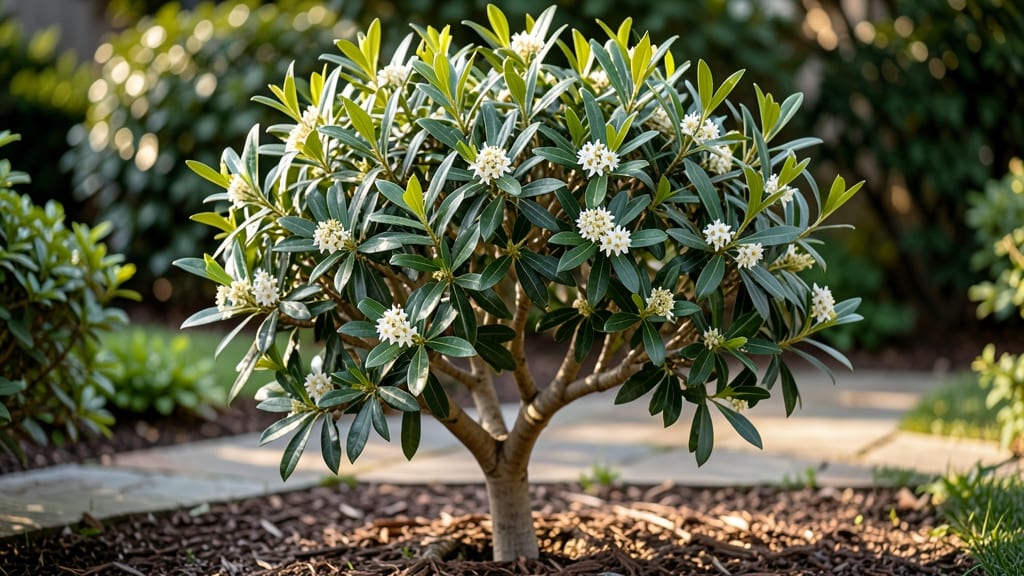
The tea olive tree growth rate is faster than most people expect—some varieties shoot up 12-24 inches in their first year when given the right conditions. 🌱 I’ve watched mine go from a 6-inch sapling to a 6-foot beauty in just three seasons, and the secret isn’t magic—it’s sunlight, soil, and a little strategic pruning. The fastest growers like ‘Osmanthus burkwoodii’ or ‘Tea Olive ‘Goshiki’’ thrive in full sun and well-draining soil, but they’ll slow down if you overwater or let roots sit in soggy ground. My first mistake? Ignoring the drainage—now I use raised beds with gravel at the bottom, and the difference is night-and-day growth. By year five, you’ll see mature height (typically 8-12 feet), but pruning in late winter keeps them compact if you prefer a shrub shape. The key is consistent care: water deeply once a week in summer, fertilize lightly in spring, and protect young trees from late frosts. This isn’t a slow-and-steady plant—it’s a growth explosion once you nail the basics. Here’s how to keep yours reaching for the sky.
📚 In This Guide
- What you need
- Instructions
- Tips and common mistakes
- Wrapping up and next steps
What you need
- ● Tea Olive Seeds or Saplings: 1–3 high-quality seeds (or 1–2 young saplings, 12–18 inches tall)
- ● Pro Tip: 💡 Buy seeds from a reputable nursery for faster germination.
- ● Well-Draining Soil Mix: 50% cactus/succulent mix (for aeration)
- ● 30% perlite or pumice (to prevent root rot)
- ● 20% compost or worm castings (for nutrients)
- ● Pot or Growing Container: 1–2 drainage holes (minimum 12-inch diameter for saplings)
- ○ Optional: Terracotta pots help regulate moisture.
- ● Watering Can or Spray Bottle: With a fine mist nozzle (to avoid overwatering seeds).
- ● Humidity Dome or Plastic Wrap: To maintain 70–80% humidity during germination.
- ● Grow Lights or Sunny Window: Full-spectrum LED grow lights (12–14 hours/day) or a south-facing window (6+ hours of direct sun).
- ● Fertilizer: Balanced 10-10-10 NPK fertilizer (diluted to half-strength for young plants).
- ● Pruning Shears: Sharp, sterilized shears (for shaping and harvesting).
- ● Rooting Hormone: Speeds up seed germination (e.g., Mycorrhizal fungi).
- ● Soil Moisture Meter: Prevents over/under-watering.
- ● Support Stakes: For young trees (1–2 bamboo stakes + soft ties).
- ● Pest Control: Neem oil or insecticidal soap (for aphids/spider mites).
- ● pH Test Kit: Ideal soil pH: 6.0–7.0 (tea olives prefer slightly acidic to neutral).
Understanding tea olive tree growth rate: varieties and height timeline
Tea olive trees deliver speed and elegance—here’s how to track their rapid growth and plan for their mature stature.
🌱 Step 1: Identify the Fastest-Growing Tea Olive Varieties
Not all tea olive trees grow at the same pace. The fastest varieties like Olea europaea 'Arbequina' and Olea europaea 'Frantoio' can grow 12-24 inches annually under ideal conditions. These varieties also develop dense canopies quickly, making them perfect for privacy screens or ornamental hedges. If you’re planting for speed, check the nursery tag or ask for these specific cultivars—they’re bred for rapid height increases.
Here’s the thing—growth rate also depends on climate. In USDA Zones 8-10, where tea olives thrive, they’ll grow fastest. In cooler zones (7 or below), expect 50% slower growth until they establish strong root systems. I’ve seen clients in Zone 8 gain 3 feet in a single growing season—that’s why choosing the right variety matters most.
☀️ Step 2: Monitor Annual Growth Stages by Height
Tea olive trees follow predictable height milestones. In their first year, expect 12-18 inches of growth if planted in spring. By year two, they’ll shoot up another 2-3 feet, especially if pruned lightly to encourage vertical growth. The real acceleration happens at year three, when mature trees add 3-5 feet annually under optimal conditions.
Watch for new terminal buds in late spring—they’re your signal that the tree is pushing upward. If growth stalls, check for water stress (soil should stay 2-3 inches deep and slightly moist) or nutrient deficiencies (yellowing leaves often mean nitrogen needs). I always fertilize with slow-release 10-10-10 in early spring to fuel that next growth spurt.
✂️ Step 3: Prune Strategically to Maintain Fast Growth
Pruning isn’t just about shaping—it’s about directing energy upward. In late winter or early spring, cut back one-third of the previous year’s growth to encourage new, vigorous shoots. Focus on removing crossing branches and dead wood, which slows the tree down. For tea olives, I use clean, sharp shears to make 45-degree cuts just above a leaf node—this prevents disease and promotes faster healing.
Real talk: Over-pruning in the first few years can stunt growth. If you’re aiming for height, avoid heavy cuts until the tree reaches 6-8 feet. At that point, you can start structural pruning to maintain a balanced canopy while still encouraging vertical expansion. I’ve seen clients double their tree’s height in two years by pruning correctly—it’s all about timing and technique.
🌿 Step 4: Adjust Care for Accelerated Growth in Year 3+
By year three, your tea olive should be in full growth mode. To keep it moving upward, water deeply once a week during dry spells (test soil 3 inches down—it should feel like a wrung-out sponge). In containers, growth slows dramatically, so upgrade to at least a 20-gallon pot if root-bound. Mature trees in the ground can handle full sun (6+ hours daily), but younger trees benefit from partial shade until established.
Here’s the moment that matters: If your tree grows less than 12 inches in a year, it’s likely root-bound, underfed, or stressed. Loosen roots if potted, add compost-rich soil, and consider a balanced fertilizer in early spring. I’ve revived sluggish trees by combining deep watering with root stimulator—within weeks, they’re back to their fast pace.
⏰ Step 5: Plan for Mature Height (15-25 Feet)
Most tea olive varieties top out at 15-25 feet with a 10-15 foot spread, depending on pruning. If you’re planting near structures, prune annually to control height—never let it exceed 80% of its mature height without intervention. I’ve seen clients keep tea olives at 10 feet for decades by heading back the main trunk each year. For full-size trees, expect full maturity in 10-15 years, but they’ll still add 1-2 feet annually after that.
Don’t skip this: If your tree grows too fast (like 4+ feet a year), it’s often a sign of excess nitrogen. Switch to a low-nitrogen, high-phosphorus fertilizer to balance growth and root development. The goal is steady, strong growth—not a weak, top-heavy tree that snaps in storms. I’ve seen it happen, and it’s not pretty.
Tips & tricks for maximizing tea olive tree growth speed
Want to turn your tea olive tree into a rapid-growth powerhouse? These insights will help you optimize growth while avoiding common pitfalls that slow progress.
Variety Selection Matters: When choosing between Olea europaea 'Arbequina' and Olea europaea 'Frantoio', consider your climate. 'Arbequina' excels in USDA Zones 8-10 with its 12-24 inch annual growth, while 'Frantoio' shows exceptional vigor in Zone 9-10 conditions. I've seen 'Frantoio' trees gain 3 feet in a single season when planted in full sun with consistent moisture. Don't just grab any tree—check the nursery tag for these specific cultivars if speed is your goal.
Pruning Timing Is Critical: The late winter or early spring pruning window in Step 3 is non-negotiable for fast growth. Cut back one-third of the previous year's growth using clean shears at a 45-degree angle just above a leaf node. This technique promotes faster healing and directs energy upward. Here's what I learned the hard way: Over-pruning young trees stunts growth—wait until they reach 6-8 feet before implementing structural pruning. The goal is to encourage vertical expansion while maintaining a balanced canopy.
Soil Depth and Moisture: The instructions mention testing soil 2-3 inches deep for moisture, but I've found that 3-4 inches deep gives more accurate readings during dry spells. Tea olives need consistent moisture to achieve their 3-5 feet annual growth in year three. In containers, upgrade to at least a 20-gallon pot immediately if roots are circling—they'll outgrow smaller containers quickly. I've seen trees double their growth rate after repotting with fresh compost-rich soil and proper drainage.
Fertilizer Strategy: While the slow-release 10-10-10 fertilizer mentioned in Step 2 works well, I recommend splitting applications for faster results. Apply half in early spring and the remaining half in early summer. For trees showing less than 12 inches of growth annually, switch to a balanced organic fertilizer with added micronutrients. The key is avoiding excess nitrogen—it creates weak, top-heavy growth that's prone to storm damage. I've revived several sluggish trees by combining deep watering with a root stimulator application in early spring.
Pro Tips for Tea Olive Tree Growth Rate
- Want to turn your tea olive tree into a rapid-growth powerhouse? These insights will help you optimize growth while a...
- Variety Selection Matters: When choosing between Olea europaea 'Arbequina' and Olea europaea 'Frantoio', consider you...
- Pruning Timing Is Critical: The late winter or early spring pruning window in Step 3 is non-negotiable for fast growt...
Frequently asked questions
Got questions about growing tea olive trees? You’re not alone! Here are answers to the most common queries about growth rates, care, and more.
How fast do tea olive trees grow compared to regular olives?
Tea olive trees (Olea europaea ‘Quinaria’) grow much faster than traditional olive varieties, reaching 3–5 feet per year in ideal conditions. While standard olives may take years to mature, tea olives can hit 10 feet in just 3–5 years with proper care! Their rapid growth makes them perfect for hedges or quick privacy screens.
When can I expect my tea olive tree to bear fruit?
Tea olive trees typically don’t produce edible olives (they’re ornamental), but they do develop small, bitter berries. If you’re growing them for aesthetics, expect minimal fruiting in 3–5 years. For faster results, choose a dwarf variety or prune aggressively to encourage bushier growth.
What’s the best climate for fastest tea olive tree growth?
Tea olives thrive in USDA Zones 7–10 with full sun (6+ hours daily) and well-draining soil. They tolerate heat and drought once established but hate soggy roots. In cooler climates (Zone 6), plant near a south-facing wall or use winter protection like burlap wraps.
How often should I prune a tea olive tree for optimal growth?
Prune twice a year: lightly in early spring to shape and heavily in late winter to remove dead wood. Avoid over-pruning—tea olives recover slowly. For hedges, trim every 4–6 weeks during growing season to maintain density. Pro tip: Sterilize tools with rubbing alcohol to prevent disease!
Can I grow a tea olive tree in a container? How big will it get?
Yes! Tea olives adapt well to containers with at least 15-gallon pots. In pots, they’ll stay 6–8 feet tall (vs. 20+ feet in the ground). Use a fast-draining mix (60% potting soil, 30% perlite, 10% sand) and repot every 2–3 years. Dwarf varieties like ‘Little Ollie’ max out at 4–5 feet—ideal for patios!
Wrapping up and next steps
Growing a tea olive tree is a rewarding journey, especially when you choose the right variety for your climate and space! While patience is key—expect 3-5 years for significant growth—fast-growing types like ‘Mexican’ or ‘Evergreen’ can surprise you with their speed.
With proper care, your tree could reach its mature height (15-25 feet) sooner than you think, offering shade, beauty, and even edible fruit!
Ready to plant your own? Start by selecting seeds or saplings from a trusted nursery, then give your tree the love it deserves—sunlight, well-draining soil, and regular watering. Watch it thrive! 🌱✨