
Trees
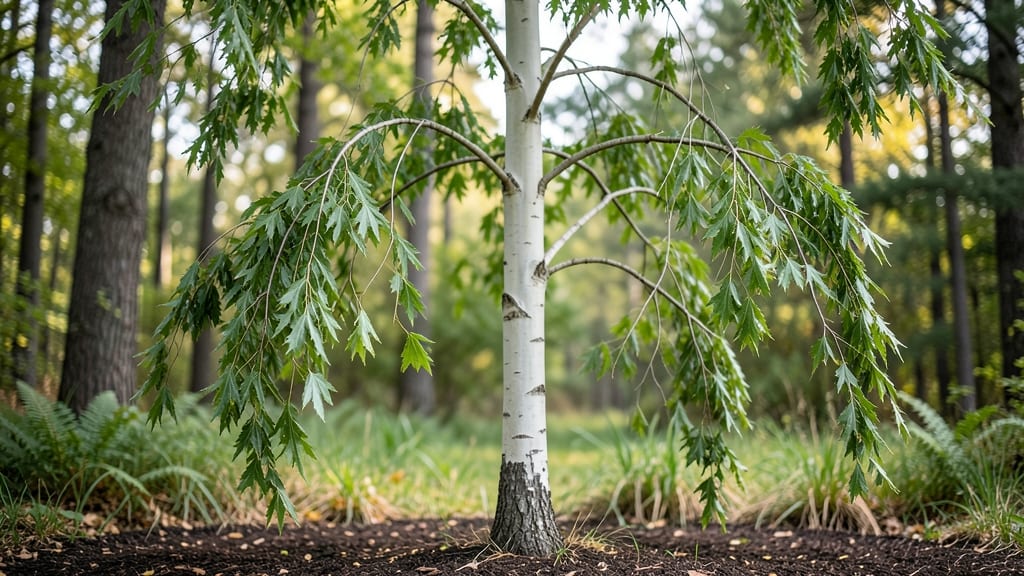
Poplar tree leaves in fall turn a dull yellow or brown before dropping, typically between late October and December, depending on climate and tree species. They often shatter when touched due to brittle stems, leaving bare branches quickly.
Poplar trees are early fall dropouts in the leaf world—unlike oaks or maples, their leaves don't linger for weeks but fade quickly into pale yellows or browns before falling.
This happens because poplars grow fast and prioritize nutrient storage over vibrant fall colors, so their leaves turn dull and brittle sooner. 🌳 In colder climates, they might shed leaves by November, while warmer regions can see them drop as late as January.
The shattering stems are a survival trick: brittle leaves release faster when winds pick up, reducing damage.
This early leaf drop isn't a sign of poor health—it's just poplars' way of conserving energy for winter. However, the rapid leaf fall can create yard work if you're not prepared. I always recommend mulching fallen leaves to return nutrients to the soil or bagging them for compost.
Avoid piling leaves against the tree trunk, as this can trap moisture and invite pests.
💡 In This Article
- Why Poplar Leaves Change Color and Fall Early
- Best Ways to Manage Falling Poplar Leaves in Your Yard
Why poplar leaves change color and fall early
Poplar trees shed their leaves earlier than most deciduous species because their rapid growth cycle demands quick nutrient recovery. Unlike maples or oaks that produce vibrant reds and oranges through anthocyanin production, poplars focus on chlorophyll breakdown, resulting in dull yellows or browns.
This happens because poplars grow aggressively in spring/summer, depleting soil nutrients faster than slower-growing trees. Their leaves contain less sugar and starch reserves, so they prioritize reabsorbing nutrients through the abscission layer—a specialized tissue at the leaf stem—rather than maintaining color.
The brittle stems that make leaves shatter are an evolutionary adaptation. Poplars grow in windy areas, and fragile stems allow leaves to detach easily during storms, reducing branch damage.
This also explains why poplar leaves often crumble when touched—their vascular bundles weaken as nutrients are pulled back into the tree. In northern climates, this process starts by late October, while in southern regions, leaves may linger until December.
The timing depends on frost exposure and daylight hours, with shorter days triggering earlier dormancy.
Climate plays a critical role in poplar leaf behavior. In wetter areas, leaves may stay slightly greener longer due to delayed nutrient reabsorption, while drought stress can accelerate browning.
Unlike oaks that hold leaves until winter's first freeze, poplars drop theirs 2-4 weeks earlier—a survival strategy to avoid winter damage.
Their shallow root systems also make them more sensitive to soil moisture changes, further influencing leaf drop timing. 🌬️ This early shedding explains why poplar alleys often look bare by November, even when neighboring trees still have foliage.
Botanists classify poplars as "short-season deciduous" trees, meaning their growing period is compressed compared to hardwoods like walnut or beech. This adaptation allows them to thrive in temperate zones where winters are harsh but summers are brief. The trade-off?
Their leaves lack the prolonged color displays of other species. For example, a sugar maple's leaves might stay vibrant for 4-6 weeks in fall, while a poplar's peak color lasts only 1-2 weeks before turning brittle.
One fascinating detail is how poplar leaves change texture as they age. Fresh leaves are leathery and flexible, but by fall, their cell walls weaken due to lignin breakdown, making them papery and prone to fragmentation.
This structural change is why fallen poplar leaves often resemble confetti when stepped on.
The process mirrors how some annual plants dry out completely after seed dispersal—a similar survival mechanism. 🍂 Understanding this helps explain why poplar litter decomposes so quickly: its low lignin content makes it an excellent mulch option.