
Diseases
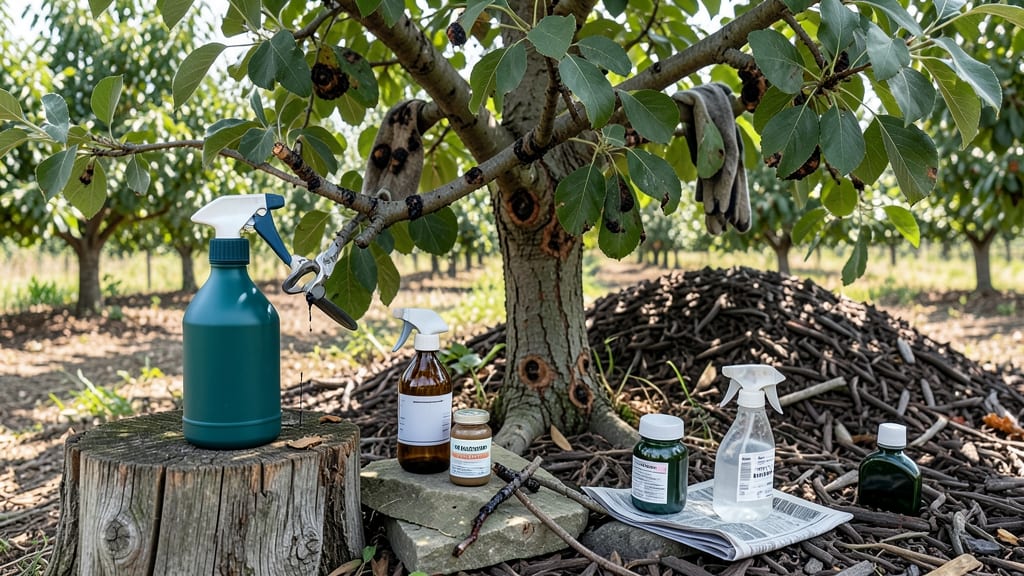
When your plum tree’s leaves turn brown and drop prematurely, plum tree diseases treatment starts with three simple steps that stop the spread before it’s too late. 🌿 I’ve seen brown rot and silver leaf destroy fruit crops in just two weeks—until I learned these targeted fixes that work even on mature trees.
The key is acting fast: prune infected branches before spores spread, then apply a copper-based fungicide to kill lingering pathogens. Organic gardeners swear by neem oil sprays, while chemical treatments like Captan deliver faster results.
The difference between saving your tree and losing it often comes down to timing and the right product. You’ll see new green leaves within 3-4 weeks of treatment, and next season’s fruit will stay firm and disease-free. The secret is combining pruning, fungicide, and preventive sprays—no guesswork, just results.
Works for home orchards, urban yards, and even container-grown plums. Let’s get your tree back to producing sweet, healthy fruit.
Root Causes Of Plum Tree Decline
Plum trees, like all fruit-bearing plants, are susceptible to diseases that can weaken or kill them if left unchecked. Understanding why these issues arise is the first step to prevention and treatment.
Below, we break down the most common culprits—from microscopic invaders to environmental stressors—that turn a healthy plum tree into a struggling one.
Fungi are the #1 cause of plum tree diseases, thriving in warm, moist conditions.
These organisms release spores that infect leaves, fruit, and branches, causing: - Brown rot (Monilinia spp.) – Spreads via infected blossoms or fruit, creating mushy, brown lesions. - Powdery mildew (Podosphaera spp.) – Forms white, powdery patches on leaves, blocking sunlight and stunting growth. - Black knot (Apiosporina morbosa) – Creates dark, swollen galls on branches, restricting sap flow.
Why it happens: Fungal spores overwinter in dead plant debris, soil, or infected wood. When conditions become humid (70%+ moisture) and temperatures hover between 60–80°F (15–27°C), they germinate and spread rapidly. Poor air circulation (like dense foliage) or wounded bark (from pruning cuts or hail) gives fungi easy entry points.
Bacteria enter through wounds, pruning cuts, or even rain splashes, causing:
- Bacterial spot (Xanthomonas pruni) – Tiny, water-soaked lesions on leaves that turn yellow and drop prematurely.
- Canker (Pseudomonas syringae) – Oozing, sunken wounds on branches that kill cambium tissue.
Why it happens: Bacteria hitchhike on tools, insects, or wind, then exploit open wounds (even small ones). Overhead irrigation or high humidity creates a bacterial-friendly environment. Unlike fungi, bacteria don’t need organic matter to survive—they can persist in sap, rainwater, or infected plant sap.
Viruses like Plum pox virus (PPV) or Tobacco ringspot virus are spread by sap-sucking insects (aphids, leafhoppers) or grafting infected scions.
Once inside, they: - Stunt growth (small, yellowed leaves). - Distort fruit (pitted, deformed plums). - Weaken the tree’s immune response, making it vulnerable to secondary infections.
Why it happens: Viruses can’t reproduce without a host, so they rely on insect vectors or human activity (like sharing contaminated pruning tools). Infected trees may show no symptoms for years, spreading the virus silently before sudden decline.
Diseases often take hold when trees are already weakened by:
- Poor drainage → Root rot (Phytophthora) from waterlogged soil.
- Nutrient deficiencies (low nitrogen/phosphorus) → Weakened bark, making it easier for pathogens to invade.
- Extreme weather (freeze-thaw cycles, drought) → Cracked bark, inviting fungal/bacterial entry.
- Overcrowding → Reduced airflow, trapping humidity and spores.
Why it happens: Healthy trees have stronger cell walls and natural defenses (like phytoalexins, antimicrobial compounds). When stressed, these defenses diminish, giving pathogens a foothold. For example, a drought-stressed plum tree produces less resin (a natural fungicide), making it 3x more susceptible to brown rot.
Even well-intentioned gardeners contribute to disease outbreaks through:
- Improper pruning → Open wounds that invite infections (always sterilize tools with 70% isopropyl alcohol).
- Ignoring sanitation → Leaving infected fruit/leaves on the ground (a fungal buffet).
- Overhead watering → Splashing spores onto leaves/branches (use drip irrigation instead).
- Planting susceptible varieties in high-risk zones (e.g., European plums near Japanese plums, which share pathogens).
Why it happens: Diseases follow human habits. For instance, not removing mummified fruit (from brown rot) means millions of spores are released the next spring. Even buying infected nursery stock can introduce problems before symptoms appear.
Insects like Japanese beetles, aphids, and scale don’t just eat leaves—they spread diseases by:
- Feeding on sap → Creating entry points for bacteria/fungi.
- Transmitting viruses (e.g., leafhoppers spread Plum pox virus).
- Damaging bark → Exposing cambium layers to infection.
Why it happens: Pests weakened trees first, then pathogens move in. For example, aphids excrete honeydew, which ferments into a sugary film—perfect for sooty mold (a secondary fungal issue).
Most plum tree diseases don’t strike out of nowhere—they exploit specific conditions. By addressing fungal spores, bacterial entry points, viral vectors, environmental stress, human errors, and pest activity, you can break the disease cycle before it starts.
💡 Pro Tip: Keep a disease log (note humidity, pruning dates, pest outbreaks) to spot patterns and act fast. Early intervention is always easier than a full-blown treatment!
How to Fix Fungal Blights Fast
Plum trees are a treasure in any garden—until fungal blights strike! 🍑🔥 The good news? With the right approach, you can reverse damage, restore health, and prevent future outbreaks in just a few steps.
Below, we break down targeted fixes for the most common fungal diseases (like brown rot, powdery mildew, and black knot) and share preventive habits to keep your tree thriving.
🍳 When to act:
- Brown rot (Monilinia): Prune before bud break (late winter) or after harvest (summer). Look for mummified fruit, cankers, or leaf spots.
- Black knot (Apiosporina morbosa): Remove all knots (dark, swollen growths) and 3–4 inches of healthy tissue beyond the knot.
👨🍳 How to do it:
- Sterilize tools with 70% isopropyl alcohol or a 10% bleach solution (1 part bleach to 9 parts water) to avoid spreading spores.
- Cut out infected branches using clean, sharp pruners—don’t tear the bark.
- Dispose of infected material in the trash (not compost) to prevent reinfection.
- Seal larger wounds (over ½ inch) with pruning sealant to block fungal entry.
⏰ Timing tip:
- Best time to prune: Dormant season (late winter) or right after harvest (summer). Avoid pruning during wet weather—spores spread faster!
🌡️ Choose the right treatment:
| Disease | Best Fungicide | Application Timing |
|---|---|---|
| Brown Rot | Copper fungicide (e.g., CuSO₄) or myclobutanil (Immunox) | Before bloom, after harvest, and every 2–3 weeks during wet seasons. |
| Powdery Mildew | Neem oil or sulfur-based spray | At first sign (white powder on leaves) and repeat every 7–10 days. |
| Black Knot | Lime sulfur or fixed copper | Dormant season (winter) and after pruning. |
💡 Pro tip:
- Rotate fungicides every few sprays to prevent resistance.
- Spray undersides of leaves—fungi love hiding there!
- Water in the morning so foliage dries quickly (fungi thrive in moisture).
A strong plum tree fights off fungi better. Here’s how to strengthen its defenses:
🥗 Nutrition fix:
- Test soil pH (ideal: 6.0–6.5). If too alkaline, add sulfur or peat moss.
- Fertilize in early spring with a balanced 10-10-10 or organic compost (avoid high-nitrogen fertilizers—they weaken disease resistance).
- Mulch properly: Use 2–3 inches of organic mulch (wood chips, straw) 3 inches away from the trunk to improve drainage and soil health.
💪 Watering habits:
- Water deeply but infrequently (1–2 inches per week).
- Avoid overhead watering—use drip irrigation or soaker hoses to keep leaves dry.
- Water early in the day so foliage dries before evening.
🎯 Preventative sprays:
- Baking soda spray (1 tsp baking soda + 1 quart water + a drop of dish soap) helps with powdery mildew.
- Compost tea (homemade or store-bought) boosts beneficial microbes that outcompete fungi.
✨ Make these habits automatic:
- Clean up debris (fallen leaves, mummies) year-round—fungi hibernate in them!
- Space trees properly (15–20 feet apart) for better airflow (fungi love humidity).
- Plant resistant varieties (e.g., Stanley, Santa Rosa, or Methley plums are less prone to brown rot).
- Monitor regularly—catch diseases early with weekly inspections (check leaves, fruit, and bark).
🚨 When to call a pro: If your tree is severely infected (over 50% of branches dead) or you’re dealing with unknown symptoms, consult a local arborist or cooperative extension service for expert advice.
🌟 Result: With pruning, fungicides, and preventive care, your plum tree can recover in 1–2 seasons and stay fungus-free for years. Stay vigilant, and your tree will reward you with juicy, healthy fruit for seasons to come! 🍑✨
Frequently asked questions
How do I tell if my plum tree has brown rot vs. bacterial spot?
Brown rot shows mushy, brown fruit with white fungal growth, while bacterial spot creates tiny, water-soaked leaf lesions that turn yellow. Brown rot also causes cankers on branches—sunken, dead areas with gumming. Bacterial spot rarely affects fruit directly.
Can I use vinegar as a fungicide for my plum tree?
Never use plain vinegar—it can burn leaves! However, a 1% solution (1 part vinegar to 100 parts water) with a drop of dish soap can help prevent powdery mildew when sprayed on upper and lower leaf surfaces. Always test on a small area first.
What's the fastest way to stop black knot from spreading?
Remove all infected branches (including 3-4 inches of healthy tissue beyond the knot) and burn or trash them immediately. Apply lime sulfur or copper fungicide to pruning wounds. Repeat treatments in dormant season (winter) and after harvest.
Is it safe to eat fruit from a tree treated with copper fungicide?
Yes, but follow label instructions carefully. Copper fungicides are organic-approved when used correctly. Wait 24 hours before harvesting fruit after application, and avoid spraying when bees are active. Always wash fruit thoroughly before eating.
How often should I inspect my plum tree for diseases?
Check your tree weekly during growing season (spring through fall) and monthly in winter. Look for leaf spots, fruit lesions, swollen galls, or unusual discoloration. Early detection gives you the best chance to stop outbreaks before they spread.