
How To
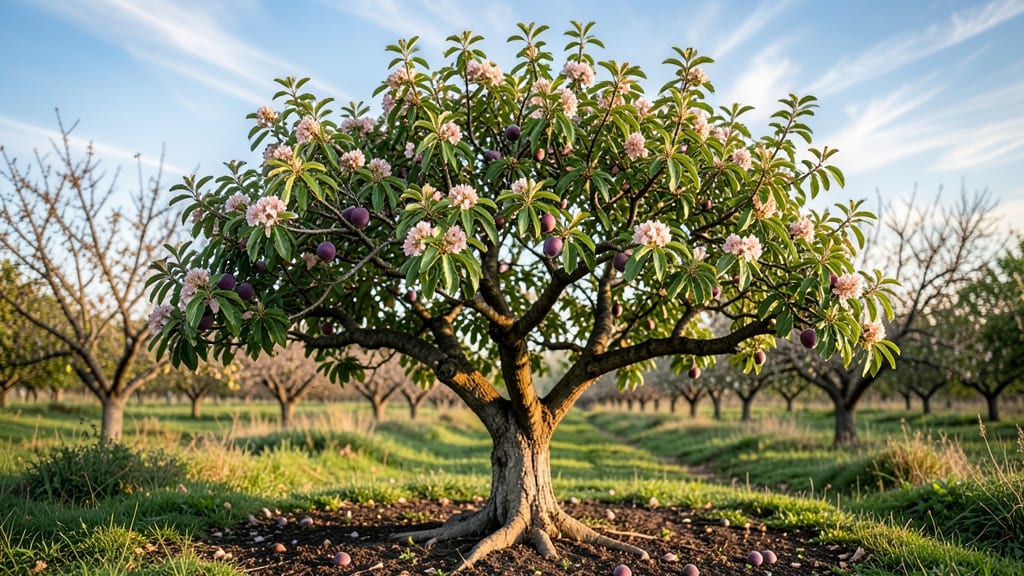
Plum trees grow to how tall does a plum tree grow heights between 15 and 40 feet, depending on the variety and growing conditions, so choosing the right type for your space is everything.
If you're dreaming of a lush plum tree in your backyard but wondering whether it’ll tower over your house or stay neatly contained, understanding its mature height is key to planning your garden layout—especially when choosing fast-growing varieties.
Some plum trees, like the Santa Rosa, can reach 25 feet in ideal conditions, while dwarf varieties like Methley top out at just 10–12 feet, making them perfect for smaller yards or containers.
Below, I’ll break down the fastest-growing varieties, how climate and pruning affect height, and whether a plum tree can thrive in a pot—so you can pick the perfect fit for your space.


Average mature heights of plum trees by variety (with fastest-growing picks)
Plum trees come in stunning varieties, each with its own mature height and growth rate.
If you're planning your garden, knowing these details helps you choose the perfect tree for your space. Standard plum trees can reach towering heights of 20-40 feet, while dwarf varieties stay compact at just 8-12 feet.
The fastest-growing varieties, like Santa Rosa and Methley, are perfect for those eager to enjoy plums sooner without sacrificing space.
Understanding ideal spacing requirements is just as important as height. Plum trees need room to breathe—standard varieties require 20-25 feet of space between trees, while dwarf varieties can thrive with just 8-10 feet.
Proper spacing ensures good airflow, reducing disease risks and promoting healthier growth. Let’s dive into the specifics so you can pick the perfect plum tree for your backyard.
🌱
| Variety | Mature Height (ft) | Growth Rate | Spacing Needs (ft) | Best For |
|---|---|---|---|---|
| Santa Rosa | 20-25 ft | Fast | 20-25 ft | Large yards, fruit production |
| Methley | 10-12 ft | Moderate | 8-10 ft | Small gardens, containers |
| Stanley | 12-15 ft | Fast | 10-12 ft | Medium spaces, early harvests |
| Black Beauty | 10-12 ft | Moderate | 8-10 ft | Urban gardens, patio planting |
| European Plum | 25-35 ft | Slow-Moderate | 25-30 ft | Rural properties, orchards |
| Japanese Plum | 15-25 ft | Moderate | 15-20 ft | Landscaping, ornamental use |
If you're short on space but still want a plum tree, dwarf varieties like Methley and Black Beauty are ideal. These trees mature at 10-12 feet, making them perfect for small backyards or even large containers.
They also grow faster than standard varieties, so you’ll enjoy plums sooner. For example, Stanley plums can reach 12-15 feet in just a few years, providing a balance between height and speed.
For larger properties, Santa Rosa and European plums are excellent choices. These standard varieties can grow up to 35 feet, offering abundant fruit production and stunning ornamental value. Just remember to give them plenty of space—20-30 feet between trees—to prevent overcrowding and ensure healthy growth.
Proper spacing also improves air circulation, reducing the risk of fungal diseases like brown rot.
When selecting a plum tree, consider your climate zone and soil type. Fast-growing varieties like Santa Rosa thrive in USDA zones 5-9 and prefer well-draining soil. If you live in a cooler region, opt for cold-hardy varieties like Stanley, which can handle temperatures as low
How to choose a plum tree height based on your space and climate
Choosing the right plum tree height depends on your yard size and local climate. A standard plum tree can reach 20-40 feet, while dwarf varieties stay between 8-12 feet. Your space and climate will determine which size works best for your garden layout and fruit production goals.
For small urban gardens, semi-dwarf plum trees (12-18 feet) offer a balance between manageable size and high yields. In larger rural properties, standard varieties thrive with ample space. Cold climates favor hardy varieties like Stanley plums, while warmer regions can support faster-growing types like Santa Rosa.
Plum Tree Height Options: Pros and Cons
| Option | Pros | Cons |
|---|---|---|
| Dwarf (8-12 ft) | - Fits small spaces - Easier to prune - Faster fruit production |
- Lower yield - Needs staking - Shorter lifespan |
| Semi-Dwarf (12-18 ft) | - Balanced size - Higher yield - Longer productive life |
- Needs more space - Requires pruning - Slower establishment |
| Standard (20-40 ft) | - Highest yield - Long lifespan - Natural shade |
- Needs large space - Harder to prune - Longer maturity time |
*Consider your yard's sunlight exposure and soil drainage when selecting a size.
Your local climate plays a crucial role in tree height selection. In USDA Zone 6-7, semi-dwarf varieties like Methley thrive, reaching 12-15 feet with proper care.
For warmer zones (8-9), faster-growing types like Black Beauty (10-12 feet) produce fruit earlier. Always check your variety's cold hardiness rating before planting.
Soil type affects growth too. Well-draining loamy soil supports faster growth, while clay-heavy soil may stunt a plum tree's height. Amend your soil with compost and organic matter to improve drainage. For container growing, choose dwarf varieties in large pots (at least 18-inch diameter) to prevent root binding.
Pruning is key to controlling height naturally. Use open-center pruning to shape your tree while maintaining airflow. Remove suckers and water sprouts annually to redirect energy to fruit production. For standard trees, limit vertical growth by pruning upward branches. Always use sterilized tools to prevent disease spread.
Remember that plum trees grow fastest in their first 3-5 years, reaching 50-75% of mature height. Plan your garden layout with this growth spurt in mind. Place taller varieties near property lines or fences, while dwarf trees work well near patios or decks for easy fruit picking.