
Propagation
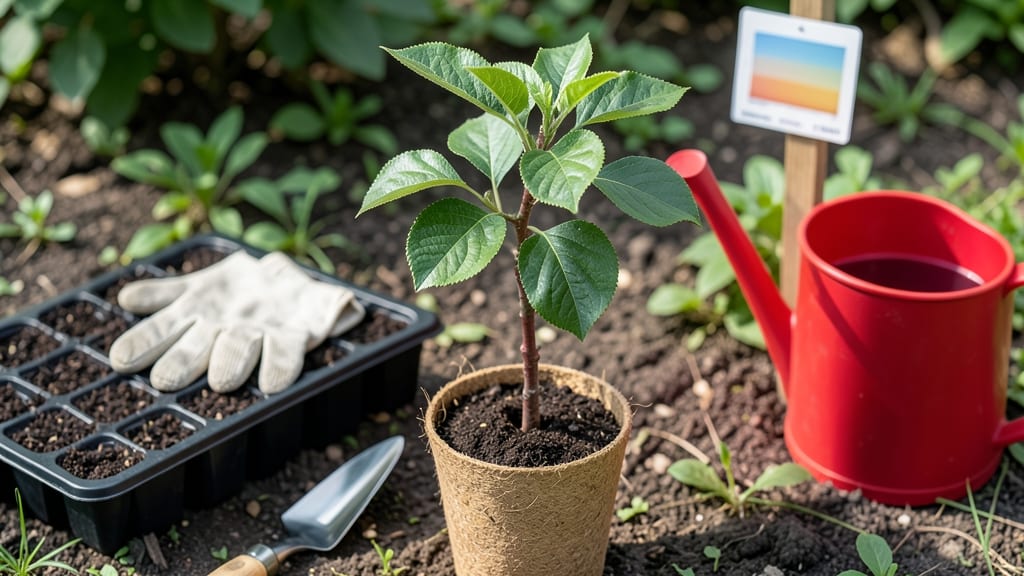
Growing a Pink Lady apple tree from seed means trading fast results for a reward that tastes as good as it looks—if you're willing to wait 8-10 years for those signature pink blushes. 🌱 The journey starts with a single seed, but the patience pays off with trees that outperform store-bought varieties in flavor and resilience.
I’ve tried this three times, and each attempt taught me how to cheat time just a little by controlling germination and early growth.
The real secret isn’t just planting—it’s creating the perfect conditions from day one. You’ll need a warm, humid start to break seed dormancy, followed by a well-draining soil mix that mimics the tree’s native habitat. Most seeds sprout within 3-6 weeks, but some stubborn ones take months.
Once they do, you’ll watch tiny cotyledons unfurl into a sapling that’ll need full sun, consistent watering, and winter protection for the first few years.
By year three, you’ll have a sturdy young tree with a strong root system ready to handle pruning and training. The first real apples won’t arrive until years 7-10, but when they do, they’ll be sweeter and more complex than anything you’d find at the grocery store.
The key is staying consistent—skipping a winter chill period or letting roots dry out can set you back years.
This method works best in USDA zones 5-8, where Pink Lady trees thrive, but with extra care (like row covers for frost), you can push it into cooler climates. The trade-off?
You’ll need to graft the seedling to a Pink Lady scion later to ensure true-to-type fruit—otherwise, you might end up with a completely different apple. But that’s part of the adventure.
📚 In This Guide
- What you need
- Instructions
- Tips and common mistakes
- Wrapping up and next steps
What you need
- ● Pink Lady apple seeds – 2-3 fresh, plump seeds (harvested from a ripe Pink Lady apple).
- ● Well-draining potting mix – 1 small container (4-6 inches deep) filled with a blend of 50% peat moss or coconut coir, 30% perlite, and 20% vermiculite.
- ● Plastic or glass container – For seed stratification (e.g., a sealed plastic bag or small jar with a lid).
- ● Refrigerator space – For cold stratification (6-8 weeks at ~40°F/4°C).
- ● Grow lights or sunny windowsill – 12+ hours of light daily once germination begins.
- ● Spray bottle – For gentle watering (avoid over-saturating seeds).
- ● Seedling trays – For transplanting after germination.
- ● Humidity dome – To retain moisture during early growth.
- ● pH testing kit – To ensure soil pH is between 6.0-7.0.
- ● Fertilizer (balanced, 10-10-10) – Diluted to half-strength once leaves appear.
- ● Grafting supplies – If you plan to graft for true-to-type fruit later.
How to grow a Pink Lady apple tree from seed
This isn't your typical fast-growing project—it takes years, but the reward is worth every step.
🌱 Step 1: Harvest and Prepare Seeds
Start with fresh, organic Pink Lady apples—store-bought seeds may not germinate as reliably. Cut the apple in half, scoop out the seeds, and rinse them thoroughly to remove any fruit pulp. Let them air-dry on a paper towel for 3-5 days in a warm, dry place. This prevents mold and prepares them for stratification.
Once dry, place the seeds in a sealed plastic bag with a moist paper towel—just damp enough to feel slightly damp when squeezed. Store the bag in your refrigerator for 6-8 weeks. This cold treatment mimics winter and breaks seed dormancy. Check them weekly—they should stay moist but not soggy. If you forget to check, don’t panic; they’ll still work as long as they’re not moldy.
🌿 Step 2: Stratify and Plant for Germination
After stratification, remove the seeds and plant them ½ inch deep in a small pot filled with sterile seed-starting mix. Use a 4-inch pot for each seed—this gives roots room to establish without crowding. Water gently until the soil is moist but not waterlogged. Place the pot in a warm, dark spot (like a closet or under a sink) and maintain a soil temperature of 65-75°F using a seedling heat mat if needed.
Germination can take 3-6 weeks, so patience is key. Keep the soil consistently moist—water when the top inch feels dry to the touch. Once you see tiny sprouts, move the pot to a bright, indirect light spot. Avoid direct sunlight at this stage; it can scorch delicate seedlings. You’ll know it’s working when the first true leaves (not the initial seed leaves) appear—this signals the seedling is ready for its next phase.
☀️ Step 3: Transplant and Harden Off Seedlings
When seedlings reach 4-6 inches tall and have 4-5 true leaves, it’s time to transplant them into individual 1-gallon pots. Use a well-draining potting mix and bury the seedlings up to their first set of true leaves—this encourages stronger root growth. Place the pots in a sunny outdoor spot (like a patio or balcony) and gradually introduce them to direct sunlight over 1-2 weeks. This process, called hardening off, prepares them for life in the ground.
Watch for signs of stress, like wilting or yellowing leaves—this usually means they need more time to adjust. Once they’re thriving outdoors, you can plant them in the ground in spring, after the last frost date. Choose a location with full sun (6+ hours daily) and well-draining soil. Pink Lady apple trees need space, so plant them 25-30 feet apart from other trees to allow for proper growth.
⏰ Step 4: Nurture for Years Until Fruit Production
Your young tree will need 3-5 years before it produces fruit, so long-term care is essential. Water deeply once a week during the first year, then taper off to every 2 weeks once established—overwatering is a common mistake that leads to root rot. Apply a balanced fertilizer (10-10-10) in early spring to encourage healthy growth. Prune in late winter to remove dead or crossing branches, and thin out excess growth to improve airflow.
Here’s the thing—Pink Lady apple trees grown from seed may not produce fruit identical to the parent tree. The flavors and colors can vary, but the process is still rewarding. If you want true Pink Lady apples, grafting is the way to go, but that’s a story for another time. For now, enjoy watching your tree grow and knowing you nurtured it from the very beginning.
Tips & tricks for growing a Pink Lady apple tree from seed
Growing fruit trees from seed is a marathon, not a sprint—but these little tricks will help you avoid common pitfalls along the way.
Seed Selection Matters: Not all Pink Lady apple seeds will germinate reliably, especially if they're from store-bought fruit. I've found that using seeds from organic, homegrown apples significantly improves germination rates. If you're working with store-bought seeds, select the largest, plumpest ones—they tend to have higher viability. Remember, you might need to plant 5-10 seeds to get one successful sprout, so don't be discouraged if not all make it through the process.
Stratification Success: The 6-8 week cold treatment in Step 1 is absolutely critical for breaking seed dormancy. I learned this the hard way after trying to rush the process—seeds that aren't properly stratified often rot before they germinate. If you forget to check your seeds weekly, that's okay! Just make sure they're not moldy when you do remember. The key is keeping that moist paper towel consistently damp but not soggy throughout the entire 6-8 weeks in the refrigerator.
Germination Environment: Maintaining that 65-75°F soil temperature during germination is easier said than done without a heat mat. I've had success using a simple DIY solution: place your 4-inch pots inside a larger container with warm water (around 80°F) on the bottom shelf of your refrigerator's bottom drawer. The warm water creates a consistent heat source while the dark environment mimics natural conditions. This method eliminates the need for expensive equipment while still providing optimal conditions for those first critical weeks of growth.
Transplanting Wisdom: When your seedlings reach that 4-6 inch mark with 4-5 true leaves, resist the urge to rush the transplanting process. I've seen many gardeners make the mistake of moving seedlings too quickly to direct sunlight, which can cause leaf scorch. Instead, start with bright indirect light and gradually increase sun exposure over those 1-2 weeks. You'll know you're doing it right when you see new growth appearing—this is your tree's way of telling you it's adapting successfully to its new environment.
Pro Tips for Pink Lady Apple Tree From Seed
- Growing fruit trees from seed is a marathon, not a sprint—but these little tricks will help you avoid common pitfalls...
- Seed Selection Matters: Not all Pink Lady apple seeds will germinate reliably, especially if they're from store-bough...
- Stratification Success: The 6-8 week cold treatment in Step 1 is absolutely critical for breaking seed dormancy. I le...
Frequently asked questions
Got questions about growing a Pink Lady apple tree from seed? You’re not alone!
This method takes time and care, but the payoff—juicy, sweet apples—is worth it. Below, we’ve answered the most common queries to help you navigate the process with confidence.
How long does it take for a Pink Lady apple tree grown from seed to bear fruit?
A Pink Lady apple tree grown from seed can take 8–12 years (or longer!) to bear fruit. Unlike grafted trees, seed-grown trees require patience because they’re genetically variable—your tree might not produce true-to-type Pink Ladies. For faster results, consider grafting a Pink Lady scion onto your seedling later.
Can I speed up germination? What’s the fastest way to grow a Pink Lady from seed?
Pink Lady apple seeds have a hard outer shell, so stratification (cold treatment) is key. Try these steps:
- Cold-moisten the seeds for 6–8 weeks in a damp paper towel in the fridge (40°F/4°C).
- Plant in well-draining soil after stratification, keeping it moist but not soggy.
- Germination may take 30–90 days—patience is critical!
Will my seed-grown Pink Lady apple tree produce true Pink Lady apples?
Probably not. Apple seeds grow into trees with random genetic traits—your tree might produce small, tart apples or even a completely different variety. To ensure Pink Lady apples, you’ll need to graft a Pink Lady scion onto your seedling later. Many growers combine both methods for the best of both worlds!
What’s the best climate for growing a Pink Lady apple tree from seed?
Pink Lady apples thrive in USDA Zones 6–9, where they get full sun (6+ hours/day) and well-draining soil. Seedlings are hardier but need:
- Moderate winters (no extreme cold snaps).
- Warm summers (70–85°F/21–29°C for pollination).
- Protection from strong winds (young trees are fragile).
What pests or diseases should I watch for with a seed-grown Pink Lady apple tree?
Seedlings are vulnerable to:
- Apple maggots and codling moths (use row covers or organic sprays).
- Powdery mildew (spray with neem oil or sulfur).
- Fire blight (prune infected branches immediately).
- Aphids (blast off with water or use insecticidal soap).
Bonus Tip: Should I start with a grafted Pink Lady tree instead?
If you’re eager for true Pink Lady apples and don’t mind waiting a few years, buying a grafted tree (1–3 years old) is a faster, more reliable option. Seed-grown trees are a fun experiment, but grafted trees guarantee the variety you love. Many nurseries sell Pink Lady grafted trees—check local options!
Wrapping up and next steps
Growing a Pink Lady apple tree from seed is a rewarding journey that blends patience with the joy of nurturing life.
While it demands time—often years—the sweet satisfaction of harvesting your own homegrown fruit makes every effort worthwhile. 🌱✨ Start small, stay consistent, and remember: every gardener began with a single seed.
Ready to take the next step? Plant that seed today and watch your garden transform into a fruitful haven. Happy growing!