
Featured
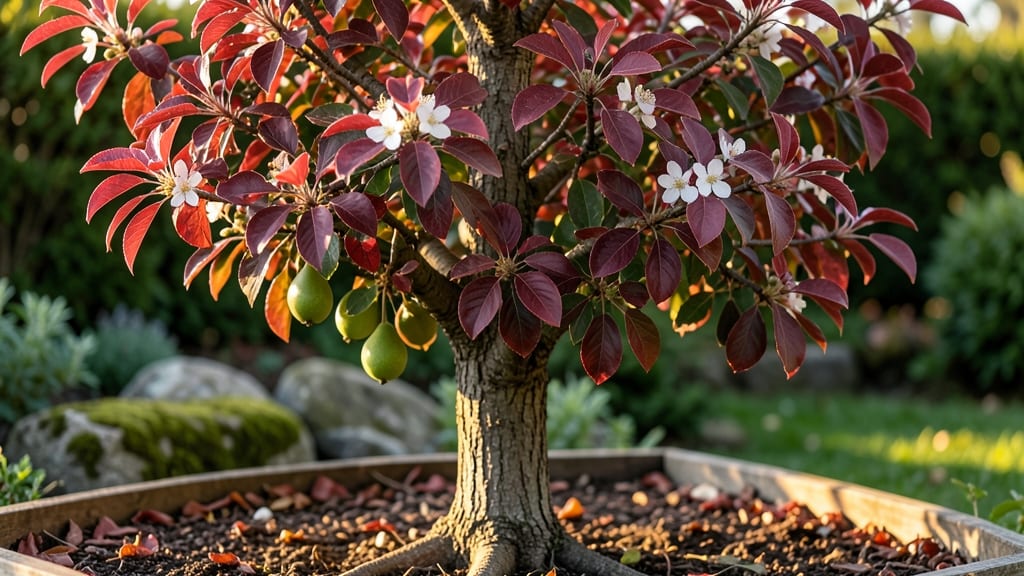
Your pear tree’s leaves turning red isn’t just autumn magic—it could signal stress, disease, or even a nutrient imbalance. 🌿 I’ve seen this happen with my own container-grown pears, and the key is figuring out whether those fiery hues are natural or a warning sign.
The first step? Check the timing, location, and overall health of the tree before jumping to conclusions.
Red leaves often mean phosphorus deficiency, but they can also signal iron deficiency, pest damage, or even sun scorch. My container pears turned bright red last summer after I moved them to a hotter spot without adjusting watering—once I fixed that, the leaves returned to normal green within weeks.
The good news? Most causes have simple fixes, from adjusting pH to proper pruning.
You’ll likely see results within a few weeks of addressing the root cause—whether that’s adding compost, adjusting water, or controlling pests. The goal is to restore healthy green growth while keeping those occasional red flushes (which some varieties actually love) without sacrificing vigor.
Think of it as a diagnostic puzzle where every clue matters.
When in doubt, snap a few photos of the leaves (underside too) and note any other symptoms—yellowing, spots, or stunted growth. If the problem persists after basic fixes, a local arborist or extension service can help pinpoint the exact issue.
Most container pears bounce back with the right care, and early action is your best tool.
Why it happens
If your pear tree’s leaves are turning a stunning red—whether in spring, summer, or fall—it’s not just a seasonal fluke. This vibrant transformation is often a response to environmental or biological triggers.
Below, we break down the most common reasons behind pear tree red leaves, so you can diagnose the cause and decide whether to embrace the change or take action.
🌡️ Temperature and Seasonal Stress
Pear trees, like many deciduous species, are masters of adapting to temperature shifts. When nights grow cooler (especially in late summer or early fall), the tree’s chlorophyll production slows down.
Chlorophyll, the pigment responsible for green leaves, breaks down, revealing anthocyanins—red, purple, or orange pigments that were hiding in the leaves all along.
This is most noticeable in container-grown pear trees, which experience more rapid temperature fluctuations than their in-ground counterparts.
If your tree is in a pot, ensure it’s placed in a spot with morning sun and afternoon shade to prevent heat stress, which can accelerate chlorophyll loss and intensify red hues.
Pro Tip: 💡 If your tree’s leaves turn red prematurely (before fall), it may be a sign of heat stress. Move it to a cooler, shaded area temporarily to protect its health.
💧 Watering and Moisture Imbalances
Water plays a crucial role in leaf coloration. When a pear tree experiences drought stress or overwatering, it triggers a defensive response that can manifest as red or purple leaves. Here’s how:
- Underwatering: Dry soil forces the tree to conserve water, slowing nutrient uptake. This leads to anthocyanin production as a protective measure against oxidative stress.
- Overwatering: Poor drainage in containers can cause root suffocation, limiting oxygen and nutrient absorption. The tree responds by producing red pigments to signal distress.
- Salt buildup (in containers): If you’re using tap water with high mineral content, salts can accumulate in the soil, burning roots and causing red or brown leaf edges.
To fix moisture-related red leaves:
- 🔥 Check soil moisture by sticking your finger 2 inches into the soil—water when it’s dry but not bone-dry.
- 👨🍳 Use well-draining soil mixed with perlite or sand for container trees.
- ⏰ Water deeply but infrequently, ensuring excess water drains completely.
- 🌡️ Flush the soil every few months with plain water to remove salt buildup.
☀️ Sunlight Exposure Extremes
Pear trees thrive in full sun (6+ hours daily), but too much direct sunlight—especially in hot climates—can cause sunburn-like stress, leading to red or scorched leaves. Conversely, insufficient light weakens chlorophyll production, also resulting in red or purple hues.
Container-grown trees are particularly vulnerable because pots can overheat. If your tree’s leaves are red on the upper surface but green underneath, it’s likely a sign of sun scald. If the undersides are red, it may indicate light deprivation.
Actionable Fixes:
- 🌿 Gradually acclimate your tree to full sun by moving it outdoors for 1-2 hours daily, increasing exposure over 2 weeks.
- 🏡 Use shade cloth (30-50% coverage) during peak afternoon sun (12 PM–4 PM).
- 🎯 Rotate the pot weekly to ensure even light exposure on all sides.
🍄 Nutrient Deficiencies or Toxicities
Red leaves can also signal nutritional imbalances. While a slight red tint is often harmless, deep red or purple leaves with yellowing may indicate:
| Nutrient Issue | Leaf Symptoms | Solution |
|---|---|---|
| 💀 Phosphorus deficiency | Dark red or purple leaves, especially on younger growth | Apply a balanced fertilizer (10-10-10) or bone meal to the soil. |
| 🌱 Magnesium deficiency (often from overwatering) | Red or brown patches between leaf veins | Use Epsom salt (1 tbsp per gallon of water) as a foliar spray or soil drench. |
| 🚫 Excess nitrogen | Leaves turn deep red or purple with slow growth | Flush the soil with water and reduce fertilizer to half-strength. |
| 🔥 Iron or manganese toxicity (common in acidic soils) | Bright red or orange leaves with stunted growth | Test soil pH and amend with lime (to raise pH) if needed. |
Pro Tip: ✨ Before fertilizing, test your soil (kits are affordable and available at garden centers). A simple pH test can reveal if your tree needs more acidity or alkalinity.
🦠 Pest or Disease Pressure
While less common, pests or pathogens can cause reddening in pear tree leaves. For example:
- Spider mites suck sap, causing red or bronze discoloration, especially on the undersides of leaves.
- Fire blight (a bacterial disease) can turn leaves reddish-brown and crispy, often with oozing cankers on branches.
- Powdery mildew may cause a reddish-purple tint along with white fungal growth.
If you suspect pests or disease:
- 🔪 Inspect leaves and stems for signs of webbing, spots, or unusual growths.
- 💦 Spray with neem oil or insecticidal soap for mites.
- 🌡️ Prune infected branches (sterilize tools with rubbing alcohol) and dispose of them.
- 🎯 Improve air circulation by spacing plants properly and avoiding overhead watering.
Revive Your Pear Tree’s Vibrant Foliage
If your pear tree’s leaves have turned an unexpected red—whether it’s a stunning seasonal shift or a sign of stress—don’t panic! With the right approach, you can restore lush greenery or even enhance that fiery hue for year-round beauty.
Below, we break down the most common causes of red leaves and the practical fixes to bring your container pear tree back to its best. Plus, we’ll share tips to prevent future color surprises.
Red leaves often signal a lack of essential nutrients. Pear trees, especially in containers, can deplete soil nutrients quickly. Here’s how to diagnose and fix it:
🔥 Check for Iron or Nitrogen Shortages
Yellowing between veins with red undertones? This is classic iron chlorosis, common in alkaline soils or when nitrogen is low. Container-grown trees are particularly vulnerable.
- 🍳 Fix: Apply an iron chelate fertilizer (like iron sulfate or EDTA-chelated iron) every 4–6 weeks during growing season. For nitrogen, use a balanced 10-10-10 or 20-20-20 fertilizer in spring and summer.
- 👨🍳 Pro Tip: Mix a handful of compost or worm castings into the topsoil to boost organic nutrients naturally.
- ⏰ Prevention: Test your soil’s pH (aim for 6.0–7.0). If it’s too high, amend with peat moss or sulfur to lower alkalinity.
🌡️ Magnesium or Potassium Deficiency?
Red or purple edges on leaves may indicate magnesium (Epsom salt deficiency) or potassium (potassium sulfate) shortages.
- 🔪 Fix: Dissolve 1 tablespoon of Epsom salt in a gallon of water and spray it on leaves every 2 weeks. For potassium, use a low-nitrogen, high-potassium fertilizer like 0-0-50.
- 💡 Prevention: Mulch with wood ash (for potassium) or dolomitic lime (for magnesium) annually.
Containers dry out faster and are more exposed to temperature swings, leading to red leaves. Adjust these factors to protect your tree:
💧 Overwatering or Underwatering
Both extremes cause stress. Wilting leaves with red edges? You’re likely overwatering. Crispy, red-brown leaves? Underwatering.
- 🥘 Fix:
- For overwatering: Let the top 2 inches of soil dry out between waterings. Ensure the container has drainage holes and use a well-draining potting mix (add perlite or sand).
- For underwatering: Water deeply until it drains from the bottom. Use a moisture meter to track soil hydration.
- 🎯 Prevention: Group containers together to retain humidity and mulch with straw or bark chips to slow moisture loss.
🌡️ Extreme Heat or Cold
Red leaves can appear after frost damage (common in early spring) or heat scorch (late summer).
- ✨ Fix:
- For frost damage: Cover the tree with a frost cloth during cold snaps. Prune damaged leaves in early spring to encourage new growth.
- For heat stress: Move the container to a shadier spot (pear trees tolerate partial shade). Water early in the morning to reduce evaporation.
- 🔥 Prevention: Choose a container with light color to reflect heat. Use self-watering pots in hot climates.
Red leaves can also signal an infestation or infection. Act fast to avoid spreading issues.
🐜 Spider Mites or Aphids
Tiny webs or sticky residue on leaves? These pests suck sap, causing reddening and leaf drop.
- 🔪 Fix: Spray leaves with a soapy water solution (1 tsp mild dish soap + 1 quart water) or use neem oil (2 tbsp per gallon of water). Repeat every 5–7 days.
- 💡 Prevention: Introduce beneficial insects like ladybugs or lacewings. Prune affected branches immediately.
🍄 Fungal Infections (e.g., Anthracnose)
Red spots or blotches with yellow halos? This could be anthracnose, a fungal disease.
- 🍳 Fix: Remove and dispose of infected leaves. Apply a copper fungicide or baking soda spray (1 tbsp baking soda + 1 quart water + a few drops of soap) every 2 weeks.
- ⏰ Prevention: Avoid overhead watering. Ensure good air circulation by spacing containers apart.
If your pear tree’s red leaves are intentional (like certain cultivars or seasonal changes), lean into the aesthetic! Here’s how to highlight that fiery foliage:
- 🌿 Container Styling: Pair red-leaved pears with silver or variegated plants (like dusty miller or hostas) for contrast. Use terracotta pots to complement warm tones.
- 📸 Photography Tips: Shoot during golden hour (early morning/late afternoon) to enhance red hues. Add greenery or white flowers for balance.
- 🌡️ Seasonal Care: Red leaves often intensify in fall or winter. Reduce fertilizer in these months to preserve color and water moderately.
With these solutions, your pear tree’s leaves will either revert to lush green or flourish in bold red, depending on your goal. Regular checks for nutrients, hydration, and pests will keep your container tree thriving—and stunning—year-round! 🌟
Frequently asked questions
Are red leaves on my pear tree always a problem?
Not always! In fall, red leaves are natural as chlorophyll breaks down. But if they appear unexpectedly in spring/summer, it may signal stress from nutrient deficiencies, water issues, or pests. Check for other symptoms like yellowing or spots to diagnose.
How can I tell if my pear tree needs more nutrients?
Look for these clues: deep red or purple leaves (phosphorus deficiency), red edges with yellowing (magnesium deficiency), or small, pale leaves (nitrogen deficiency). Test your soil’s pH first—pears prefer 6.0–7.0. If needed, apply a balanced fertilizer like 10-10-10.
Why do container-grown pear trees turn red more often?
Containers dry out faster and are more sensitive to temperature swings. Root stress from overwatering or underwatering triggers red pigments. Use well-draining soil, water when the top 2 inches are dry, and move pots to morning sun/afternoon shade in hot climates.
Can I save my pear tree if the red leaves are from pests?
Yes! Spider mites or aphids cause red/bronze leaves. Spray leaves with neem oil (2 tbsp/gallon) or soapy water (1 tsp dish soap/quart). For severe infestations, repeat every 5–7 days and prune heavily affected branches. Introduce ladybugs for natural control.
Will pruning red leaves help my pear tree?
Prune only if leaves are diseased, dead, or pest-ridden. Avoid heavy pruning—it stresses the tree. Focus on removing 10–20% of the smallest, weakest branches in late winter. Sterilize tools with rubbing alcohol to prevent spreading infections.