
Pruning
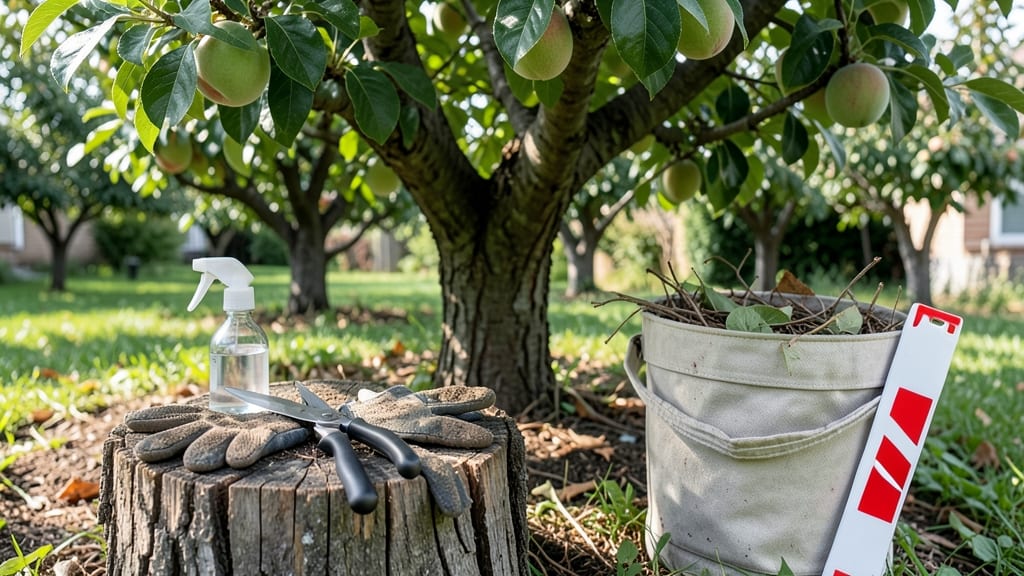
Pruning peach trees in Texas isn’t just about shaping branches—it’s about surviving our brutal summers and still getting fruit that rivals grocery store prices. ✨ I’ve pruned through three Texas heatwaves now, and the key is working with the climate, not against it: aggressive winter pruning to open the canopy, strategic summer thinning to prevent sunburn, and a focus on drought-resistant structure.
The Texas difference? Most guides tell you to prune in late winter, but our early springs bring sudden heat spikes that stress newly cut trees.
Instead, I start pruning in late February—after the last frost but before the mercury climbs past 80°F. You’ll need sharp bypass pruners, a sturdy ladder, and a bucket of rubbing alcohol (trust me, it’s worth it for sterilizing cuts).
What you’ll end up with is a tree that produces larger, sweeter fruit while using less water—a game-changer in our drought-prone state. The branches stay strong, the airflow improves (fewer fungal issues), and you avoid the classic Texas pruning mistake of over-thinning, which leaves trees vulnerable to sun scorch.
This method works for both backyard peach trees and commercial orchards, though smaller trees need less aggressive cuts. Here’s how to adapt for your specific variety and yard size—without turning your tree into a fire hazard.
📚 In This Guide
- What you need
- Instructions
- Tips and common mistakes
- Wrapping up and next steps
What you need
- ● Pruning shears: Bypass pruners (sharp, 6-8 inch blades) for small branches. Quantity: 1 pair.
- ● Loppers: Bypass or anvil type (for branches ½–2 inches thick). Quantity: 1 pair.
- ● Pruning saw: Curved-tooth or folding saw for thick branches (2+ inches). Quantity: 1.
- ● Gloves: Heavy-duty, cut-resistant (to protect from thorns and debris). Quantity: 1 pair.
- ● Disinfectant: 70% isopropyl alcohol or bleach solution (1 part bleach to 9 parts water) to sterilize tools and prevent disease. Quantity: Small bottle or spray.
- ○ Pruning sealant: Optional but recommended for large cuts (e.g., Tanglefoot Tree Wound Pruning Seal). Quantity: Small tube.
- ● Safety gear: Safety glasses and long sleeves/pants (to avoid scratches and debris).
- ● Timing: Prune during dormant season (late winter/early spring, before buds swell) or lightly after harvest (summer). Avoid pruning during Texas heatwaves (stresses the tree).
- ● Weather: Choose a cool, dry day (avoid pruning if rain is forecasted within 24 hours).
- ● Tree health: Inspect for diseases (e.g., brown rot) or pests before pruning. Address issues first if spotted.
- ● Local regulations: Check for city/county restrictions on tree pruning (some areas require permits for large trees).
- ● Water access: Have a hose or watering can nearby to hydrate the tree post-pruning (critical in drought-prone Texas).
- ● Mulch: Apply 2–4 inches of organic mulch (e.g., wood chips) around the base after pruning to retain moisture.
- ● Tool maintenance: Sharpen blades before and after pruning to make clean cuts and reduce stress on the tree.
Step-by-Step guide to pruning your peach tree in Texas
Texas summers demand smart pruning—here’s how to shape your tree for drought resilience and bigger harvests.
✂️ Step 1: Prune During the Dormant Season
Timing matters most in Texas heat. Start pruning in late winter (January-February) while the tree is still dormant but before buds swell. This ensures minimal stress and prevents disease spread when sap flows. Avoid pruning during extreme cold snaps—below 25°F—as it can damage vulnerable wood.
I always prune on a dry, sunny day to let wounds dry quickly. If you must prune later, wait until early spring (March) when buds begin to show but before flowers open. Never prune in summer—Texas heat turns pruning cuts into open wounds that invite pests and disease.
🌿 Step 2: Remove Dead, Diseased, or Crossing Branches
Start by scanning the tree for dead wood—branches that snap easily or have no green bark. Cut these back to the main trunk or a healthy lateral branch. Next, remove any branches with signs of disease (black spots, oozing sap, or fungal growth). Sterilize your pruners with rubbing alcohol between cuts to prevent spreading pathogens.
Look for branches growing toward the center of the tree or rubbing against each other. These "crossing branches" compete for sunlight and energy, reducing fruit yield. Cut the weaker of the two branches at the branch collar—the swollen area where the branch meets the trunk. This ensures the tree heals properly and directs growth outward for better airflow.
☀️ Step 3: Thin Out Overcrowded Branches
Peach trees thrive with an open canopy that lets sunlight reach the center. Aim to remove 20-30% of the tree’s foliage in a single pruning session. Start at the top and work your way down, cutting back branches that block light from penetrating the inner canopy. Focus on branches that grow straight up—these create shade and encourage fungal growth.
Watch for "water sprouts"—thin, fast-growing shoots that appear after pruning or injury. These saplings steal energy from fruit production. Snip them off at the base as soon as you spot them. You’ll know you’ve done enough thinning when sunlight can easily pass through the outer branches to the center of the tree.
🪴 Step 4: Shape for Airflow and Drought Resistance
Texas droughts stress trees, so prune to encourage a strong, drought-resistant structure. Open the center of the tree by removing suckers (shoots growing from the base) and shade branches (those growing downward or inward). This creates a vase-like shape that maximizes sunlight exposure and airflow, reducing humidity-related diseases like brown rot.
Prune to leave 4-6 main scaffold branches evenly spaced around the trunk. These branches should emerge at a 45-degree angle or wider to support the tree’s weight and distribute fruit evenly. Avoid leaving narrow "V" crotches—these are weak points where branches may split under fruit weight.
⏰ Step 5: Clean Up and Monitor for Recovery
After pruning, rake up and dispose of all debris—this removes hiding spots for pests and disease spores. Seal larger pruning cuts (over ½ inch thick) with pruning sealant to prevent bacterial infections. Smaller cuts (under ¼ inch) don’t need sealing—they heal faster with natural tree sap.
Water the tree deeply 2-3 days after pruning to help it recover. Watch for new growth in 4-6 weeks—this signals the tree is healing well. If you see excessive leaf drop or wilting, reduce watering slightly. Texas peach trees are drought-tolerant, but they still need 1-1.5 inches of water per week during dry spells to support fruit development.
Tips & tricks for perfect peach tree pruning in Texas
Texas heat turns pruning into an art—here's how to master it without stressing your tree.
Timing is Everything: The late winter window (January-February) is non-negotiable for Texas peach trees. I learned this the hard way after pruning too early and seeing buds swell with frost still in the forecast. If you miss this window, wait until early spring (March) when buds just begin to show—never summer! The tree's natural defenses are strongest during dormancy, preventing disease spread when sap flows.
Branch Collar Matters: When removing crossing branches in Step 2, make your cuts just outside the branch collar—the swollen area where the branch meets the trunk. This critical detail ensures proper healing and prevents unsightly stubs. I've seen many gardeners cut too close to the trunk, which creates weak points that split under fruit weight later. Use a sharp pruner and make clean cuts at a slight angle.
Drought-Proofing Strategy: Texas droughts demand strategic pruning. Focus on creating that open vase shape in Step 4 by removing suckers and shade branches. This isn't just about looks—it's about maximizing sunlight exposure and airflow. I've seen trees with dense canopies suffer from brown rot during our dry summers. Aim for 4-6 main scaffold branches spaced evenly around the trunk, emerging at 45-degree angles or wider. This structure supports fruit weight while preventing branch breakage.
Recovery Monitoring: After pruning, watch for new growth in 4-6 weeks as your tree's recovery signal. If you see excessive leaf drop or wilting, reduce watering slightly—Texas peach trees are drought-tolerant but still need 1-1.5 inches of water weekly. I always mark my calendar 2-3 days post-pruning for that deep watering to help the tree recover. The key is balance: enough water to support healing, but not so much that you encourage fungal growth in fresh cuts.
Pro Tips for Peach Tree Pruning Texas
- Texas heat turns pruning into an art—here's how to master it without stressing your tree.
- Timing is Everything: The late winter window (January-February) is non-negotiable for Texas peach trees.
- Branch Collar Matters: When removing crossing branches in Step 2, make your cuts just outside the branch collar—the swollen area where the branch meets the trunk.
Frequently asked questions
Got questions about pruning your peach tree in Texas? You’re not alone!
Whether you're a first-time pruner or a seasoned gardener, these FAQs will help you navigate the best practices for keeping your tree healthy, productive, and drought-resistant.
When is the best time to prune a peach tree in Texas?
The ideal window is late winter to early spring (February–March) while the tree is still dormant but before buds swell. Avoid pruning in summer or fall, as Texas heat or cold snaps can stress the tree. Drought-resistant tip: Prune in cooler mornings to reduce water loss post-cut.
How much can I prune off my peach tree without harming it?
Remove no more than 20–25% of the tree’s canopy in a single session to avoid shock. Focus on dead, diseased, or crossing branches first, then thin out crowded areas for airflow. Pro tip: Younger trees (under 5 years) can handle slightly more aggressive pruning to shape their structure.
Can I prune a peach tree during a Texas drought?
Yes, but wait until rain is forecasted or water the tree deeply 2–3 days before pruning. Drought-stressed trees are more vulnerable to dieback or pest attacks. If pruning is urgent, do it in stages and seal larger cuts with pruning sealant to prevent moisture loss.
What should I do if my peach tree has brown, crunchy branches after pruning?
This could signal sun scorch (common in Texas) or bacterial canker. To fix it:
To boost drought resilience and pest resistance:
If the issue persists, consult a local Texas AgriLife Extension office for a diagnosis.
Do peach trees need special pruning for Texas heat and pests?
Bonus tip: Plant drought-tolerant companions like rosemary or lavender nearby to deter pests naturally!
Wrapping up and next steps
Pruning your peach tree in Texas isn’t just about shaping—it’s about strengthening your tree for drought, disease, and bountiful harvests. 🌵✨ By mastering the right techniques (like thinning out dense branches and timing cuts for Texas’ climate), you’ll boost fruit quality, improve airflow, and help your tree thrive even in dry spells.
Now that you’re armed with the know-how, grab those pruners and get pruning!
Ready to take it further? Monitor your tree’s progress after pruning—adjust future cuts based on growth patterns, and soon, you’ll be the proud owner of a flourishing peach tree that’s ready to reward you with juicy, homegrown fruit for years to come!