
Leaf Blower
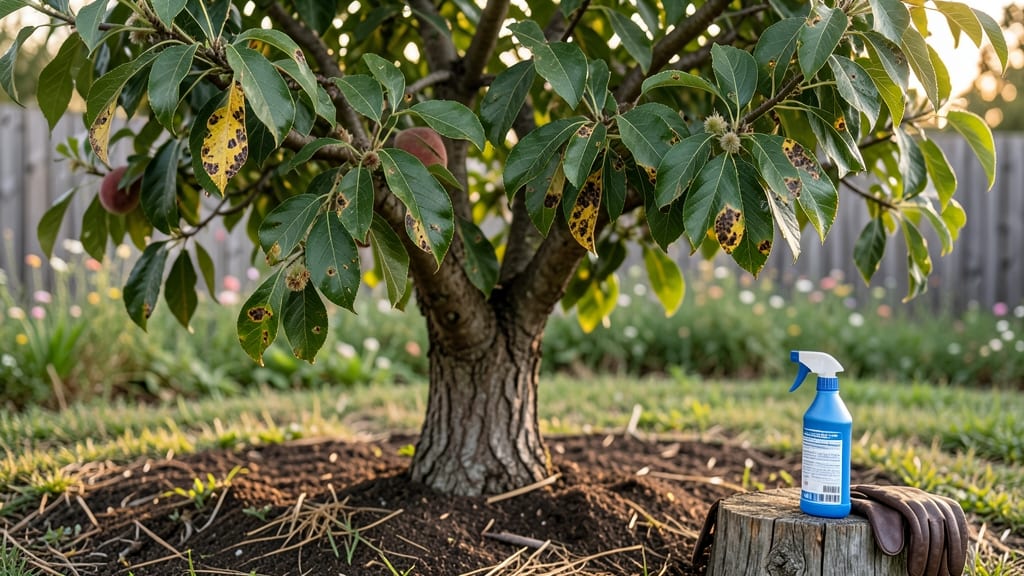
Your peach tree's leaf spots aren't just unsightly—they're a warning sign that fungal blight is moving in. 🌿 I've battled this exact problem with my 10-year-old tree, and what started as a few brown spots turned into a full-blown infection if I didn't act fast.
The good news? You can stop it before it spreads to the fruit.
Most leaf spots come from fungal infections like brown rot or bacterial spot, thriving when wet leaves sit for days. My tree's downfall? Overhead watering combined with dense foliage that didn't dry quickly.
The moment I switched to drip irrigation and thinned out branches, the new growth stayed spot-free. Prevention starts with proper watering and airflow.
You'll see dramatic improvement within 2 weeks of treating spots with organic copper fungicide or neem oil—just spray when leaves are dry and repeat every 7-10 days during rainy seasons.
The real game-changer? Pruning infected leaves before they drop and sterilizing your tools between cuts. My tree now produces fruit without a single spot.
For severe cases, consider consulting an arborist—especially if the spots appear suddenly or spread rapidly. The key is acting before the fungus reaches the fruit, where it becomes much harder to control. Let's get your tree back to healthy, vibrant growth!
Understanding The Root Causes
Peach tree leaf spots don’t just appear out of nowhere—they’re usually a sign that your tree is under siege by fungal pathogens, environmental stress, or a mix of both.
Below, we break down the key culprits behind these unsightly (and often damaging) spots, so you can tackle the problem at its source.
Fungi are the #1 cause of leaf spots on peach trees, thriving in warm, moist conditions. Here’s how they strike:
- Brown Rot (Monilinia fructicola)
- This aggressive fungus causes
- It spreads via infective spores from fallen leaves, mummified fruit, or even infected buds.
- Why it’s worse: If left unchecked, it can move from leaves to fruit, leading to rot and crop loss.
- These fungi create
- Causes
Your peach tree’s environment plays a huge role in fungal outbreaks. Here’s how:
- Excess Moisture
- Fungal spores
- Pro tip: 🌡️ Avoid watering in the evening—morning watering gives leaves time to dry.
- Tightly packed branches or overgrown grass around the tree traps humidity, slowing evaporation and encouraging fungal growth.
- Fix it: Prune to improve airflow and keep the base of the tree clear of debris.
- Heat stress (sudden spikes above 90°F) weakens leaves, making them more susceptible to infection.
- Cold snaps can damage bark, creating entry points for fungi like brown rot.
A stressed peach tree is an open invitation for leaf spots. Common offenders:
- Nutrient Deficiencies
- Low potassium (K) or zinc (Zn) weakens cell walls, making leaves vulnerable.
- Signs: Yellowing between veins (potassium) or small, distorted leaves (zinc).
- Over-Fertilization with Nitrogen
- Too much nitrogen promotes soft, lush growth—but at the cost of reduced disease resistance.
- Balance it: Use a slow-release, balanced fertilizer (e.g., 10-10-10) and avoid late-season nitrogen.
- Physical Damage
- Hail, pests (like aphids), or improper pruning create wounds where fungi can take hold.
- Prevent it: Use tree wraps in winter and prune in late winter/early spring (when the tree is dormant).
Some pests worsen leaf spot damage by weakening the tree or spreading fungal spores:
- Aphids & Scale Insects
- Their honeydew secretions create a sticky film that traps moisture, fostering fungal growth.
- Solution: Blast off with water or use neem oil to disrupt their lifecycle.
- Japanese Beetles
- They skeletonize leaves, reducing photosynthesis and stressing the tree—making it easier for fungi to colonize.
Leaf spots often don’t happen in isolation. For example:
- Drought stress → Weakens leaves → Cercospora fungus moves in.
- Overhead irrigation → Keeps leaves wet → Brown rot spores germinate.
- Compaction from foot traffic → Poor drainage → Root rot spreads to leaves.
The takeaway? Addressing one cause (like improving airflow) can drastically reduce others. Stay tuned for our next section on organic prevention strategies to keep your peach tree healthy and spot-free!
Fixing Fungal Leaf Blight Naturally
Once those unsightly spots start appearing on your peach tree leaves, acting quickly can save your tree—and your harvest. Below, we’ve mapped out practical, organic solutions tailored to the most common causes of leaf spots, along with prevention tips to keep your tree thriving.
Fungal leaf spots (like brown rot or scab) thrive in damp conditions. Here’s how to tackle them:
🔥 Prune and Clean Infected Areas
- Remove infected leaves – Snip off any leaves with spots using sterilized pruners (wipe with rubbing alcohol between cuts).
- Bag and dispose – Place infected foliage in a sealed plastic bag (not your compost bin) to prevent spores from spreading.
- Thin the canopy – Improve airflow by pruning dense branches (fungi love humidity).
🍳 Apply Organic Fungicides
Use these DIY or store-bought options: - Baking soda spray: Mix 1 tsp baking soda + 1 tbsp horticultural oil + 1 tsp mild soap per gallon of water.
Spray every 7–10 days (especially after rain). - Neem oil: A natural fungicide and insect repellent. Spray weekly (follow label instructions). - Copper fungicide: Effective against scab and brown rot. Apply at first sign of spots and after rain.
🌡️ Adjust Watering Habits
- Water at the base (not overhead) to keep leaves dry.
- Water early morning so foliage has time to dry before evening.
- Avoid wet mulch—keep mulch 6 inches away from the trunk to prevent moisture buildup.
If mites or aphids are causing damage, focus on eliminating the pests—they weaken leaves, making them susceptible to fungi.
👨🍳 Blast Off Pests with Soap Spray
- Mix 1 tbsp mild liquid soap + 1 quart water in a spray bottle.
- Apply directly to undersides of leaves (where pests hide).
- Reapply every 3–5 days until pests are gone.
🔪 Introduce Beneficial Insects
- Ladybugs and lacewings devour aphids and mites naturally. Release them in the evening when they’re most active.
⏰ Monitor and Repeat
- Check leaves weekly for new infestations.
- If pests return, try kaolin clay (a natural barrier that repels insects).
Sometimes, leaf spots are a sign of stress—not just disease. Adjust these factors to help your tree recover:
💡 Improve Soil Health
- Test your soil (pH should be 6.0–7.0 for peach trees).
- Add compost to boost nutrients and drainage.
- Avoid over-fertilizing—too much nitrogen weakens leaves.
🎯 Prune for Better Airflow
- Remove crossing branches to reduce humidity pockets.
- Shape the tree to allow sunlight to reach the lower canopy.
✨ Prevent Future Outbreaks
- Rake up fallen leaves in autumn (they harbor fungal spores).
- Disinfect pruning tools before and after use.
- Plant resistant varieties (e.g., ‘Redhaven’ or ‘Elberta’ peaches are less prone to scab).
Pro Tip: 🌡️ Timing is everything! Apply fungicides before rain (not after)—wet leaves make treatments less effective. If spots persist after 2–3 weeks, consult a local organic arborist for a tailored plan.
Frequently asked questions about peach tree leaf spots
What do peach tree leaf spots look like?
Leaf spots on peach trees typically appear as small brown or black marks with irregular edges, often surrounded by yellow halos. For brown rot, you'll see target-shaped spots with concentric rings, while anthracnose causes raised, crusty lesions that may distort young leaves. Check both leaf surfaces—undersides often show symptoms first.
Can I still harvest fruit if my peach tree has leaf spots?
It depends on the severity. If spots are limited to leaves and you've treated the tree promptly, your fruit should be safe to harvest. However, if you see spots on fruit (especially brown rot's concentric rings) or mummified fruit hanging on the tree, remove those immediately. The fruit itself is only dangerous if visibly infected.
How often should I spray organic fungicides for prevention?
For prevention, spray every 7-10 days during peak fungal season (spring to early summer). Start spraying before you see spots—once symptoms appear, increase frequency to every 5-7 days. Always apply in the early morning when leaves are dry, and avoid spraying if rain is forecast within 24 hours.
Will pruning help stop leaf spots from spreading?
Pruning is one of the most effective ways to control leaf spots. Remove all infected leaves (especially those with brown rot) and any crossing or crowded branches that reduce airflow. Sterilize your pruners between cuts with rubbing alcohol, and dispose of infected material in sealed bags—not your compost.
When should I call an arborist for peach tree leaf spots?
Consult an arborist if you notice: rapid spread of spots, fruit infection, or if your tree shows wilted leaves or dieback. Also seek professional help if organic treatments fail after 3-4 weeks of consistent application. Severe cases may require systemic fungicides that require certification to purchase.