
Pruning
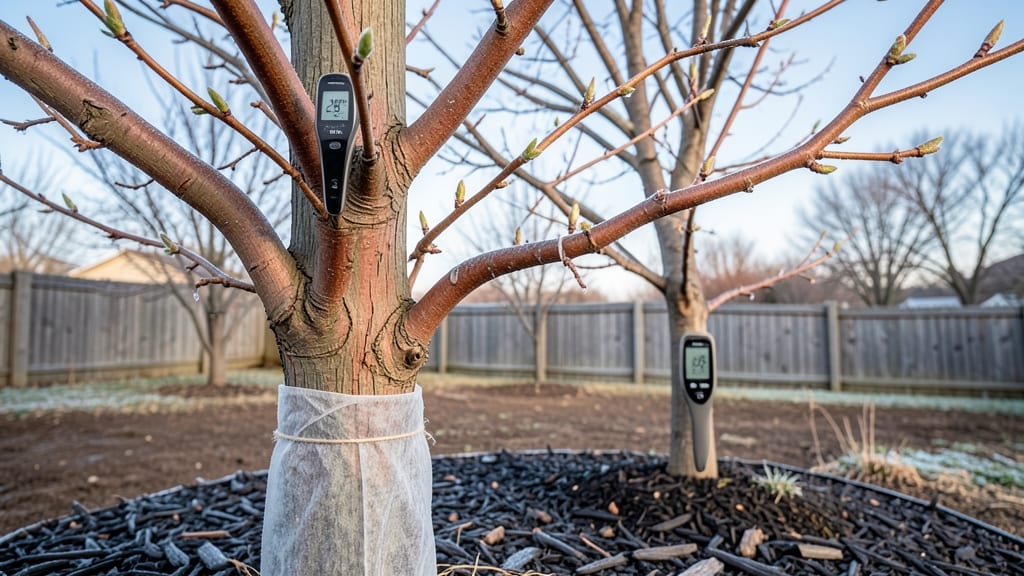
Peach tree cold tolerance depends on variety and care, with most trees handling temperatures down to 10°F (-12°C) but risking damage below 5°F (-15°C). Strategic winter prep—like mulching, pruning, and trunk wrapping—extends their survival in colder regions.
Understanding peach tree cold tolerance starts with recognizing that not all varieties are created equal. 🌡️ Some hardier types, like Reliance or Montgomery, can brave temperatures near 0°F (-18°C) with proper care, while others struggle above 15°F (-9°C).
The key difference lies in their genetic ability to enter dormancy and how quickly they recover from winter stress. For gardeners in marginal zones, choosing cold-resistant cultivars and implementing winter protection measures can make the difference between a thriving tree and a lost investment.
Beyond variety selection, winterizing techniques play a crucial role in extending cold tolerance. A 4-6 inch layer of mulch around the base insulates roots, while wrapping trunks with burlap or tree guards prevents sunscald and temperature fluctuations.
Pruning in late winter—after the worst cold passes—helps redirect energy to root growth, giving trees a stronger foundation for spring. These practices don't just protect against frost; they also help trees recover faster from winter stress, ensuring better fruit production the following season.
💡 In This Article
- USDA Zones and Peach Tree Cold Hardiness Limits
- Winterizing Peach Trees for Harsh Climates
USDA zones and peach tree cold hardiness limits
Peach trees exhibit a fascinating range of cold tolerance rooted in their genetic makeup and dormancy cycles. The USDA Zone system provides a useful starting point, but what truly matters is how individual varieties respond to specific temperature thresholds.
For instance, Reliance peaches—bred specifically for colder climates—can endure temperatures as low as 0°F (-18°C) thanks to their ability to harden off slowly during fall. In contrast, traditional varieties like Elberta or Redhaven typically struggle below 10°F (-12°C), as their genetic adaptations prioritize fruit quality over extreme cold resistance.
The science behind this variation lies in how peach trees prepare for winter. During dormancy, trees produce protective proteins and sugars that act like antifreeze in their cells, preventing ice crystal formation. 🌱 However, this process requires gradual temperature drops—rapid freezes can overwhelm even hardy varieties.
For example, a 20°F (-7°C) drop over 24 hours is far less damaging than a 30°F (-1°C) plunge in just a few hours. This explains why peach orchards in Zone 6 often thrive with proper winter care, while those in Zone 5 face higher risks during erratic cold snaps.
Another critical factor is the timing of dormancy. Trees must enter dormancy before temperatures plummet, typically between late October and early December, depending on the region. If warm spells delay dormancy, trees remain vulnerable to late-season frosts.
For example, a 28°F (-2°C) freeze in November can devastate non-dormant trees, while those already hardened can shrug off the same temperature.
This biological clock explains why some gardeners in marginal zones plant peach trees against south-facing walls or use row covers to extend the growing season and manipulate dormancy timing.
Understanding these biological limits helps explain why peach trees in Zone 5 often require more intensive winter protection than those in Zone 7. For instance, while a Montgomery peach might survive -10°F (-23°C) with proper care, an O'Henry variety would likely suffer dieback.
The difference comes down to how each cultivar balances cold hardiness with fruit development—hardier trees often produce smaller, later-season fruit as an energy conservation strategy during recovery.
For gardeners pushing the limits, hybrid varieties like Crimson Snow or Hale Haven offer a middle ground, combining decent cold tolerance with reliable fruit production.
These hybrids demonstrate how selective breeding can bridge the gap between hardiness and productivity, making them ideal for Zone 5 gardeners willing to invest in winter protection. The key takeaway? Cold tolerance isn't absolute—it's a spectrum influenced by genetics, preparation, and environmental conditions.
Consider this real-world example: In upstate New York (Zone 5b), growers using 6-inch mulch rings and tree wraps have successfully cultivated Reliance peaches for decades, while nearby Elberta trees require additional frost cloth protection.
The same principles apply to home gardens—choosing the right variety and implementing targeted winter care can transform a marginal climate into a productive peach-growing zone.