
Pruning
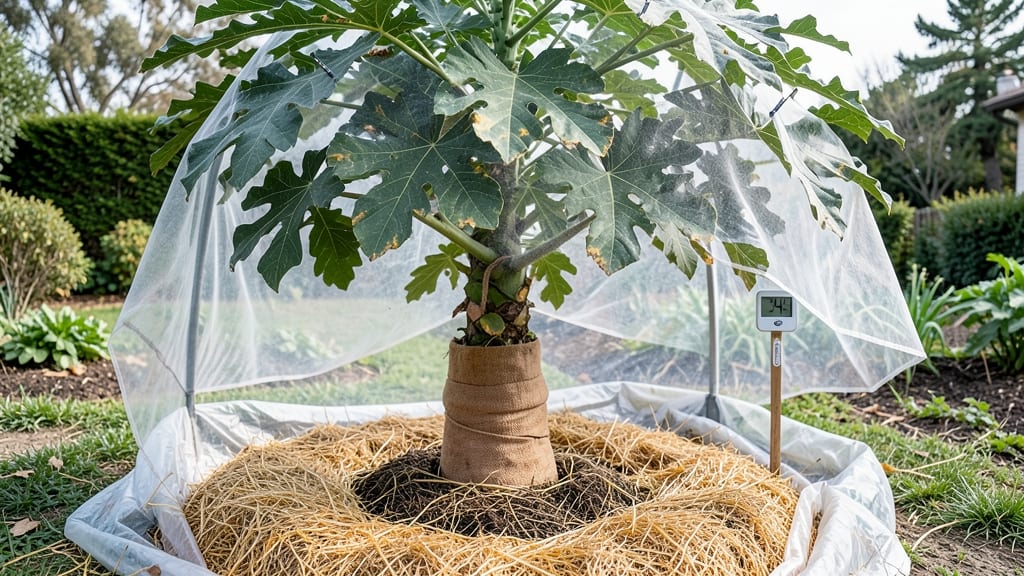
Papaya trees have a limited cold tolerance—anything below 50°F sends them into shock. 🌱 I learned this the hard way when my first tropical plant turned brown overnight after a late frost.
The good news? With the right tricks, you can push their limits and keep them alive through winter in zones 10 and below.
Most papayas thrive in 75-90°F year-round, but they’ll survive brief dips to 40°F with protection. Mulching with 4-6 inches of straw or leaves insulates roots, while frost cloth or a small greenhouse tent wrapped around the trunk buys time.
For extreme cold, move potted trees indoors near a sunny window or grow light.
Cold damage shows up as blackened leaves, mushy stems, or stunted growth. Prune back affected areas in spring, but don’t cut too aggressively—papayas are slow to bounce back. With patience, you’ll see new shoots within 4-6 weeks, proving these tropical plants can handle chilly climates with the right care.
Outdoor year-round growth is only possible in zones 10-12, but container gardening extends their range. Just remember: the colder your zone, the more winter prep you’ll need. Start small, monitor temps, and don’t rush—papayas reward slow, steady progress.
📚 In This Guide
- What you need
- Instructions
- Tips and common mistakes
- Wrapping up and next steps
What you need
- ● Cold-hardy papaya varieties: Opt for Carica papaya hybrids like ‘Red Maradol’ or ‘Solo’ (though they’re tropical, some cultivars tolerate brief cold snaps better). ✨ Pro Tip: Start with young, healthy plants for better adaptability!
- ● Thermal blankets or frost cloth: 1–2 heavy-duty covers (30–50g/m²) to shield the tree from temps below 40°F (4°C).
- ● Row covers or hoop house kit: For larger trees, a 6x8 ft frame with clear plastic sheeting (4–6 mil thickness) to trap heat.
- ● Mulch: 3–4 inches of straw, wood chips, or shredded leaves to insulate roots.
- ● Pruning shears: Sharp, sterilized shears (or a bypass pruner) for trimming dead/damaged growth.
- ● Watering can or hose: With a gentle spray nozzle for post-cold hydration.
- ● Thermometer: A soil and air thermometer to monitor temps (critical for early warnings!).
- ○ Plant supports (optional but helpful): Stakes or cages to secure branches under heavy blankets.
- ● Heating mats: Electric root zone warmers for extreme freezes (plug into a timer for safety).
- ● Windbreaks: Temporary screens or burlap barriers to block cold winds.
- ● Anti-desiccant spray: Like Wilt-Pruf to protect leaves from drying in low humidity.
- ● Grow lights: LED bulbs (10,000K) for indoor overwintering if relocating potted trees.
How to protect papaya trees when temperatures drop
Papayas thrive in heat but can survive light frosts with the right prep—here’s how to shield them through chilly seasons.
☀️ Step 1: Understand Your Papaya’s Cold Limits
Papaya trees (Carica papaya) tolerate brief exposure to 32-35°F but suffer permanent damage below 28°F. Young trees are far more vulnerable than established ones, so prioritize protection for saplings. Watch your local forecast closely—even a single night below 30°F can cause leaf scorch or dieback.
If you’re in USDA zones 10-11, you’ll need seasonal adjustments, while zone 9 gardeners face higher risk during late fall or early spring. I always move potted papayas indoors before the first frost warning, but in-ground trees need extra insulation. The key is acting before temperatures dip—not after damage appears.
🪴 Step 2: Prep Trees for Cold Snaps
Start 2-3 weeks before the first frost by reducing watering to let roots harden slightly. Overly wet soil freezes faster and stresses the tree. Instead, water deeply every 5-7 days to encourage deeper root growth, which improves cold resilience. Avoid fertilizing during this period—new growth is more frost-sensitive.
For potted papayas, move them to a garage, sunroom, or insulated porch where temps stay above 40°F. If outdoors, wrap the pot in bubble wrap or frost blankets to insulate roots. I’ve seen potted trees survive 25°F with this method, though leaves may still yellow temporarily. The goal is to protect the trunk and roots—the parts that can’t regrow if damaged.
✂️ Step 3: Layer Protection During Freezes
On nights forecasted below 30°F, cover the entire tree with a breathable frost blanket (not plastic—trapped moisture causes rot). Secure it loosely with stakes or clothespins so airflow prevents condensation. For in-ground trees, mound 6-8 inches of mulch (straw or wood chips) around the base to insulate roots. I’ve used old bedsheets soaked in water as a last resort—they add a thin insulating layer without suffocating the plant.
If your tree is in a container, wrap the pot and foliage in bubble wrap, then cover with a clear plastic dome (like a large cloche) to trap heat. Place the setup in a sheltered spot, like against a south-facing wall. Monitor temps—if the air feels below 35°F for more than 4 hours, add another layer of protection. The goal is to raise the microclimate around the tree by 5-10°F.
🌱 Step 4: Post-Freeze Recovery Care
After a freeze, wait 3-5 days before inspecting damage—delayed symptoms (like blackened leaves) often appear later. Prune only dead or mushy branches with sterilized shears, cutting back to healthy green tissue. Avoid heavy pruning unless necessary; the tree needs all its energy to regrow. I’ve seen papayas bounce back from 50% leaf loss if the trunk and roots survived.
Resume normal watering only after new growth appears (usually 7-10 days post-freeze). Fertilize lightly with a balanced 10-10-10 mix to support recovery. If the tree looks stressed but alive, move it to bright indirect light (like a shaded patio) for a few weeks to reduce stress. Papayas are resilient—with the right care, they’ll rebound faster than you’d expect.
⏰ Step 5: Plan for Long-Term Cold Resilience
For zone 9 gardeners, consider growing papayas in large containers so you can winter them indoors. Choose dwarf varieties like ‘SunUp’ or ‘Solo’, which handle cooler temps better. If planting in the ground, site your tree near a south-facing wall to capture afternoon heat. I’ve had success with black plastic mulch in spring to warm soil faster and extend the growing season.
In zone 10, focus on seasonal pruning to reduce canopy size before winter—less foliage means less heat loss. Also, avoid overhead watering in fall, as wet leaves freeze faster. Instead, water at the base and let the tree enter dormancy with dry foliage. The less moisture on the plant, the better it survives light frosts. With these adjustments, you can grow papayas year-round in marginal climates.
Tips & tricks for protecting papaya trees in cold weather
Real talk: I've watched papayas go from thriving to struggling after just one unexpected freeze. These are the tricks I've learned to give your tropical trees a fighting chance when temperatures plunge.
Forecast Timing is Everything: Pay attention to 5-day forecasts—not just the nightly lows. Papayas can handle brief dips to 32-35°F but suffer when temps stay below 30°F for more than 4 hours. I set calendar reminders for 2-3 weeks before the first frost warning to start my prep routine. The earlier you act, the better the tree's chances of surviving intact.
Layered Protection Works Best: When covering your tree during freezes, think "Swiss cheese" not "plastic wrap." Use a breathable frost blanket (not plastic) secured loosely with clothespins—this prevents condensation buildup that causes rot. For extra insulation, add a clear plastic dome over potted trees to create a microclimate that raises temps by 5-10°F. I've seen this method protect trees down to 25°F when combined with bubble wrap on containers.
Root Protection is Non-Negotiable: The trunk and roots are your papaya's Achilles' heel. For in-ground trees, mound 6-8 inches of straw or wood chips around the base—this creates an insulating blanket that keeps roots from freezing. For potted trees, wrap the entire pot (including the bottom) in bubble wrap before moving to sheltered spaces. I learned this the hard way when a young tree's roots froze solid after I only insulated the top.
Post-Freeze Patience Pays Off: After a freeze, resist the urge to inspect immediately. Wait 3-5 days before pruning—delayed damage often appears later. When you do prune, cut only dead or mushy branches back to healthy green tissue. I've seen papayas recover from 50% leaf loss when the trunk and roots remained intact, but they never bounce back from root damage.
Pro Tips for Papaya Tree Cold Tolerance
- Real talk: I've watched papayas go from thriving to struggling after just one unexpected freeze.
- Forecast Timing is Everything: Pay attention to 5-day forecasts—not just the nightly lows.
- Layered Protection Works Best: When covering your tree during freezes, think "Swiss cheese" not "plastic wrap."
Frequently asked questions
Got questions about keeping your papaya tree thriving in cooler weather? Here are some of the most common concerns—and practical solutions—to help you navigate cold tolerance like a pro.
How cold can a papaya tree actually handle?
A healthy papaya tree (Carica papaya) typically struggles below 50°F (10°C). Prolonged exposure to 40°F (4°C) or lower can cause leaf damage, stunted growth, or even death. Young trees are especially vulnerable—always monitor forecasts and act fast if frost is forecasted!
What’s the best way to protect my papaya tree from frost?
Use a combination of row covers, mulch, and temporary shelters. Lay thick mulch (straw or leaves) around the base, drape frost cloth over the tree, and consider a mini greenhouse or cold frame for extreme nights. Move potted papayas to a garage or under eaves if possible—just avoid drafts!
Can I grow papayas indoors year-round in cold climates?
Yes! Papayas thrive indoors with bright, indirect light (south-facing window or grow lights) and warm temperatures (70–85°F / 21–29°C). Use a humidity tray, fertilize monthly, and prune aggressively to manage size. Just watch for pests like spider mites—common in dry indoor air.
What are cold-hardy papaya varieties?
While no papaya is truly cold-hardy, some varieties like ‘Solo’ and ‘SunUp’ tolerate brief dips to 45°F (7°C) better than others. For colder zones, consider hybrid varieties or tropical fruit alternatives like figs or loquats, which handle cooler temps more gracefully.
What do I do if my papaya tree’s leaves turn brown in cold weather?
Brown, crispy leaves signal cold stress or frost damage. Prune affected leaves above the damage to encourage new growth. Avoid fertilizing until the tree recovers—focus on watering (but not over-saturating) and protecting it from further cold snaps. Most trees bounce back with warmth and care!
Pro Tip:
If you’re in a Zone 8 or colder, treat papayas as annuals or overwinter seeds indoors. Save a few ripe fruits to regrow next season—it’s cheaper than buying new plants and lets you test cold tolerance!
Wrapping up and next steps
Understanding your papaya tree’s cold tolerance is the first step to keeping it thriving—even in cooler climates! 🌱 With the right strategies, like mulching, protective coverings, and strategic pruning, you can shield your tree from frost and extend its growing season.
Remember, patience and observation are key; adjust your approach based on your local climate and the tree’s response.
Ready to give your papaya tree the care it deserves? Start small: monitor temperatures, test protective methods, and gradually expand your efforts. Every little effort adds up to a healthier, happier tree—and maybe even a tasty harvest! 🍈✨