
Pruning
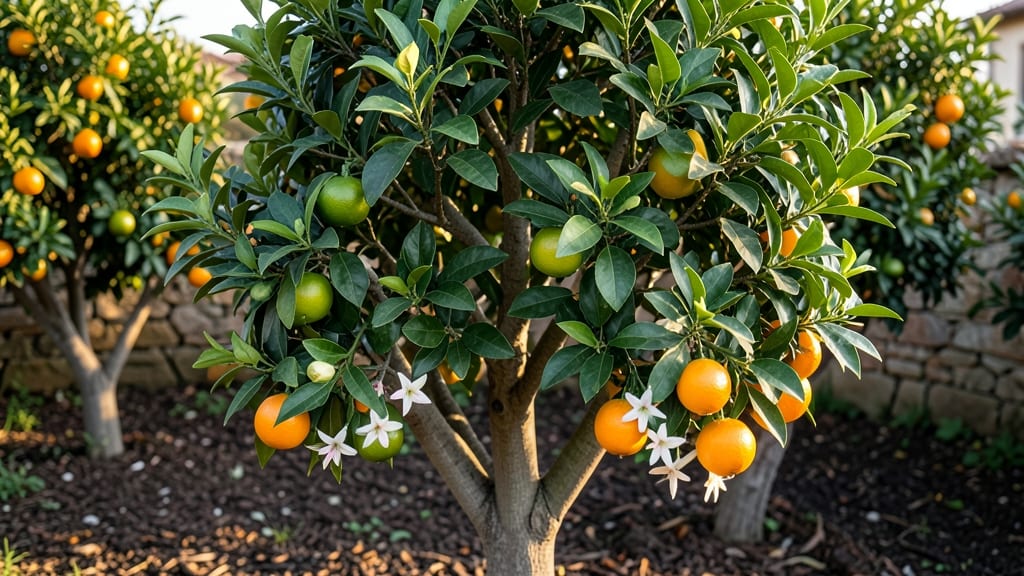
That palm tree with orange balls isn’t just pretty—it’s the star of your garden’s tropical vibe. 🌴 I’ve pruned mine for years, and the secret to a full, fruiting canopy isn’t complicated: it’s all about strategic cuts and timing. The goal?
More vibrant orange berries and a lush, balanced shape that turns heads. Start by removing dead fronds and any overcrowded branches—this opens the canopy to sunlight, which is exactly what you want for those bright orange fruits.
I cut back one-third of the oldest fronds each year, and within months, the tree responds with fresh growth and heavier fruiting.
The contrast of those fiery berries against the green leaves? Pure garden drama. Pair it with silver-blue foliage like yucca or dusty miller to make the oranges pop even more. Or tuck it into a large patio pot with trailing vines like string of pearls for a container showstopper.
The key is keeping the base clean and the structure open—no hidden branches stealing sunlight from those showy fruits. For best results, prune after fruiting season (late winter) and fertilize lightly in spring. Your palm won’t just survive—it’ll thrive, becoming the centerpiece of any tropical-inspired space.
Ready to make yours shine?
The Mystery Behind Orange Clusters
If your palm tree is sprouting bright orange balls instead of lush fronds, you’re likely dealing with a common but often misunderstood growth quirk. These clusters—often mistaken for fruit—are actually inflorescences, the flower buds that precede fruit development.
But why do they appear, and what triggers this process? Let’s break it down into the key factors at play.
Not all palm trees produce these vibrant orange clusters. The phenomenon is most common in fruit-bearing palms, such as the Cocos nucifera (coconut palm) or Phoenix dactylifera (date palm). These species are hardwired to develop inflorescences as part of their reproductive cycle. Here’s why:
- Pollination Strategy: The orange clusters are packed with tiny flowers that rely on wind, insects, or animals (like bats or birds) to spread pollen. The bright color acts as a beacon to attract pollinators.
- Energy Allocation: Palms invest significant energy into flowering. If the tree is healthy and mature (typically 5–10 years old), it will prioritize reproduction over foliage growth, leading to these striking clusters.
- Species-Specific Timing: Some palms, like the Washingtonia or Trachycarpus, rarely produce flowers. If you spot orange balls on these, it might signal a hybrid or stressed tree trying to reproduce.
Pro Tip: 🌡️ If your palm is a non-fruiting variety (e.g., Kentia or Areca), the orange balls could indicate a nutritional deficiency or environmental stress—more on that below.
Palms are sensitive to daylight and temperature shifts. The appearance of orange clusters is often tied to:
- Increased Sunlight: Longer daylight hours (spring or summer) signal the tree to flower. If your palm suddenly gets more sun—due to pruned neighbors or a new location—it may respond by producing inflorescences.
- Temperature Fluctuations: A brief cold snap followed by warm weather can shock the tree into flowering. This is why palms in USDA Zones 9–11 often bloom unpredictably.
- Drought Stress: Paradoxically, mild water stress can trigger flowering as the tree perceives limited resources and rushes to reproduce. Overwatering, however, can suppress this process.
Actionable Tip: 💡 If you want to encourage flowering, mimic natural seasonal changes: reduce water slightly in late winter, then increase sunlight exposure gradually.
A palm’s diet directly impacts whether it will produce flowers or focus on leaf growth. Key factors include:
| Nutrient | Role in Flowering | Signs of Deficiency |
|---|---|---|
| Potassium (K) | Regulates flowering and fruit development | Yellowing fronds, weak stems, delayed blooms |
| Phosphorus (P) | Essential for energy transfer during reproduction | Purple-tinged leaves, stunted growth |
| Magnesium (Mg) | Supports chlorophyll production (needed for photosynthesis to fuel flowers) | Interveinal chlorosis (yellow patches between veins) |
Soil pH Matters: Palms thrive in slightly acidic to neutral soil (pH 6.1–7.5). If the soil is too alkaline (pH >8), nutrient uptake suffers, delaying or preventing flowering. Test your soil and amend with elemental sulfur or peat moss if needed.
Pro Tip: ✨ Use a balanced palm fertilizer (e.g., 8-2-12 or 6-6-6) in early spring to give your tree a flowering boost.
While flowering is natural, abnormal stress can also trigger orange clusters. Watch for these red flags:
- Root Damage: Compacted soil, root rot, or physical injury to roots can force a palm to flower prematurely as a survival tactic.
- Pest Infestations: Sap-sucking pests (e.g., palm aphids or spider mites) drain the tree’s energy, sometimes leading to early flowering.
- Pruning Mistakes: Over-pruning (removing too many fronds at once) can shock the tree into reproductive mode. Always remove no more than 1/3 of the fronds in a single session.
Warning Sign: 🚨 If your palm produces orange clusters but no fruit develops and the tree looks unhealthy, it may be struggling. Inspect for pests, check soil moisture, and adjust care immediately.
Understanding these triggers helps you manage (or even encourage) the process—whether you’re aiming for a fruitful harvest or simply a healthier tree. Next, we’ll explore how to prune these clusters for optimal growth and aesthetics.
Reviving Your Palm’s Growth
If your palm tree is sporting those pesky orange balls instead of a lush canopy, don’t panic—there’s hope! The key lies in understanding the root cause (literally and figuratively) and taking targeted action.
Below, we’ll break down practical solutions for each common issue, from pruning techniques to long-term care, so your palm can bounce back stronger than ever. 🌿✨
If your palm’s orange balls are actually dried-out fronds or dead leaves, they’re blocking sunlight and nutrients from reaching new growth. Here’s how to fix it:
- 🔪 Identify the Culprits: Gently tug at the orange "balls." If they crumble easily, they’re dead and ready to go. If they’re firm, they’re still alive—leave them be!
- 👨🍳 Sterilize Your Tools: Use sharp, clean pruners or a handsaw (for thicker stems) dipped in rubbing alcohol to prevent disease spread.
- ⏰ Timing Matters: Prune in late winter or early spring when the tree isn’t actively growing. Avoid heavy pruning in summer heat.
- 🌡️ Cut at the Base: Snip dead fronds as close to the trunk as possible without damaging healthy tissue. For stubborn clusters, use a handsaw for precision.
- 💡 Pro Tip: If your palm has too many fronds (even healthy ones), thin them out to improve airflow and reduce pest risks.
If your palm’s orange balls are a sign of nutrient deficiency or poor light exposure, it’s time to give it a growth boost:
| Issue | Fix |
|---|---|
| 🌑 Shady Spot? | Move your palm to a sunnier location (6+ hours of direct sunlight for most varieties). Use a slow-moving approach—gradually increase sun exposure over 2–3 weeks to avoid shock. |
| 💧 Compacted or Poor Soil? | Amend the soil with organic matter like compost or coconut coir. For container palms, repot every 2–3 years with fresh, well-draining potting mix. |
| 🌱 Nutrient Deficiency? | Fertilize with a balanced palm fertilizer (e.g., 8-2-12 or 6-3-6) in early spring and summer. Never fertilize in winter or drought conditions! |
💡 Pro Tip: Yellowing fronds with orange tips? It could be magnesium deficiency. Try a Epsom salt spray (1 tbsp per gallon of water) every 2 weeks until new growth appears.
If bugs like palm aphids, spider mites, or palm weevils are turning your fronds orange, act fast with these eco-friendly solutions:
- 🌿 Neem Oil Spray: Mix 1 tbsp neem oil + 1 tsp mild soap + 1 quart water. Spray all surfaces (fronds, trunk, soil) every 5–7 days until pests vanish. Test on a small area first—some palms are sensitive!
- 💦 Water Blast: Use a hose to dislodge soft-bodied pests like aphids from fronds. Do this in the early morning so the tree dries quickly.
- 🐝 Encourage Beneficial Bugs: Ladybugs and lacewings eat palm pests. Attract them with native plants like marigolds or dill nearby.
- ⚠️ Severe Infestations: If you spot palm weevil borers (tiny holes in the trunk or sawdust-like frass), call a licensed arborist immediately—these pests can kill a palm in weeks.
💡 Prevention Tip: Keep your palm’s base clean and dry—weevils love moist, mulchy soil. Use gravel or bark chips instead of thick mulch.
If your palm’s orange balls are actually broken or split fronds from storms or heavy winds, follow these steps to help it recover:
- 🛠️ Assess the Damage: Remove only fronds that are completely severed or hanging loosely. Leave partially damaged fronds—they’re still photosynthesizing!
- 🎯 Support Weak Trunks: If the trunk is cracked or leaning, install a tree support stake (use soft ties, not wire, to avoid girdling).
- 💧 Deep Watering: Soak the root zone slowly over 30–60 minutes to reduce shock. Repeat every 5–7 days until new growth appears.
- 🌱 Monitor for Disease: Pruned areas are entry points for fungi. Apply a copper fungicide to cuts if your climate is humid.
💡 Pro Tip: If your palm is young (<10 years old), it may not recover from severe trunk damage. Consider grafting or replacing it if it’s beyond saving.
Once your palm is back on track, these habits will keep it lush and orange-ball-free:
- 📅 Prune Regularly: Remove 20–30% of old fronds annually to maintain airflow and sunlight penetration.
- 🌦️ Protect from Elements: Use windbreaks or microclimates (like near a wall) for coastal or high-wind areas.
- 🍽️ Feed the Roots: Mulch with 3–4 inches of organic mulch (like wood chips) to retain moisture and regulate soil temp.
- 🚫 Avoid Overwatering: Palms hate "wet feet." Ensure pots have drainage holes, and water only when the top 2 inches of soil are dry.
- ✨ Love Your Variety: Some palms (like Mediterranean dwarf palms) naturally produce orange fruit—if that’s your goal, embrace the quirks!
With the right care, your palm will soon trade its orange balls for a vibrant, full canopy and maybe even some delicious fruit. Happy pruning! 🌴💚
Frequently asked questions
Are those orange balls on my palm tree actually fruit?
Not always! Those vibrant orange clusters are usually inflorescences—flower buds that will develop into fruit if pollinated. For species like date palms or coconut palms, they're the precursor to fruit. However, in non-fruiting palms (like Kentia or Areca), these can indicate stress or nutritional deficiencies. Always check your palm's variety first!
Can I eat the orange fruit that grows from these clusters?
Only if it's from an edible palm species! Common edible varieties include date palms (Phoenix dactylifera) and coconut palms (Cocos nucifera). Most ornamental palms produce inedible fruit. Always verify your palm's species before consuming any "fruit"—some can be toxic or cause stomach upset.
Why does my palm only produce orange clusters but no fruit?
This usually means pollination failed! Many palms rely on wind, insects, or birds to transfer pollen. If your palm is isolated or lacks pollinators, the flowers won't develop into fruit. For edible varieties, you might need to hand-pollinate using a small brush to transfer pollen between flowers.
Should I remove the orange clusters to encourage more leaves?
Only if they're dead or diseased! Healthy inflorescences actually help the tree by producing fruit (which can feed birds and other wildlife). Removing them might redirect energy to foliage, but it could also reduce the tree's overall vitality. The key is balancing—remove only what's clearly dead or harmful.
How can I make my palm's orange fruit more vibrant?
Boost sunlight exposure and proper nutrition! Move your palm to a sunnier location (6+ hours of direct light daily) and fertilize with a balanced palm fertilizer (like 8-2-12) in spring. Also ensure your soil has good drainage—waterlogged roots can dull fruit color. A light application of magnesium-rich Epsom salt can enhance color too!