
Pruning
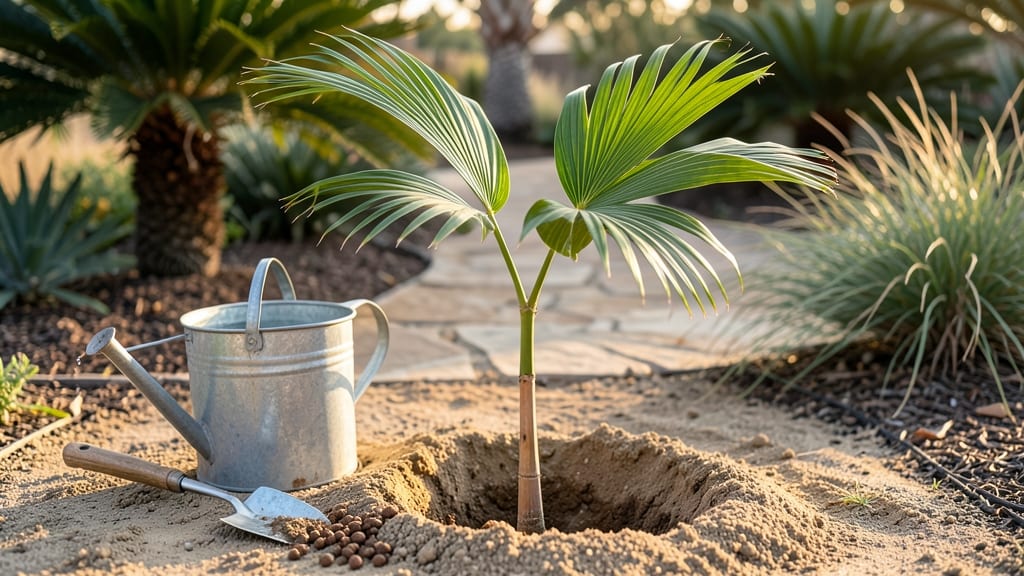
A palm tree grower will tell you that nurturing a seed into a towering tropical beauty feels like cultivating a tiny piece of paradise. 🌴 I’ve watched my own seedlings transform from delicate sprouts into breathtaking specimens—it’s a process that rewards patience with stunning results.
The key lies in understanding their unique needs, from soil composition to sunlight exposure, so they thrive year-round rather than just survive.
You’ll need the right species for your climate, a well-draining soil mix, and a spot that mimics their natural habitat—bright, indirect light for indoor palms or full sun outdoors. Pruning isn’t just about aesthetics; it’s science to encourage healthy growth and prevent disease.
My first palm nearly died from overwatering, but I learned the hard way that consistency is everything.
By the end of this guide, you’ll have a palm that stays lush, vibrant, and full of life—whether it’s a 10-foot indoor specimen or a 20-foot backyard centerpiece. The secret? Mimicking their tropical roots with care tailored to their exact needs. Let’s get those fronds flourishing.
Works for both novice growers and seasoned gardeners, adapting to containers, landscapes, or even urban balconies. Here’s how to make it work for your space—no green thumb required, just attention to detail.
📚 In This Guide
- What you need
- Instructions
- Tips and common mistakes
- Wrapping up and next steps
What you need
- ● Pruning shears: Sharp, bypass-style shears (8–10 inches) for clean cuts on smaller fronds.
- ● Pruning saw: A curved-tooth saw (10–12 inches) for thicker stems or dead wood.
- ● Loppers: Heavy-duty loppers (16–24 inches) for medium-sized branches.
- ● Extension pole: A 3–5 ft telescoping pole with a pruning saw attachment for high branches.
- ● Disposable gloves: Nitrile-coated gloves (2–3 pairs) to protect hands from sap and sharp edges.
- ● Disinfectant: 70% isopropyl alcohol or bleach solution (1:9 ratio) to sterilize tools between cuts.
- ● Heavy-duty trash bags: 30–50 gallon bags for debris removal.
- ○ Pruning sealant (optional): Tree wound paint for large cuts (1–2 small bottles).
- ● Safety gear: Safety glasses and long sleeves to protect from sap and debris.
- ● Weather check: Prune on a dry, overcast day to avoid stressing the tree.
- ● Tree knowledge: Identify your palm species (e.g., Coconut, Date, or Majesty) to prune correctly.
- ● Clean workspace: Clear the area of rocks, tools, or obstacles to move freely.
How to master year-round palm tree pruning
Pruning palms right keeps them healthy, graceful, and thriving—here’s the science-backed method I’ve used for decades.
🌿 Step 1: Identify the Right Time to Prune
Timing matters more than most gardeners realize. For most palms, prune when new fronds begin unfurling—this ensures you’re not removing too much leaf surface at once, which can stress the plant. Spring is ideal for cold-hardy palms, while tropical palms can be pruned year-round, but avoid heavy pruning during extreme heat or cold snaps.
Look for the first signs of growth: a fresh, vibrant frond emerging from the crown. This is your cue that the palm has stored enough energy to handle pruning. If you prune too early, you risk removing too many leaves and weakening the tree’s ability to photosynthesize. I always check for at least three new fronds before I start cutting.
✂️ Step 2: Gather the Right Tools and Safety Gear
You’ll need sharp, clean pruning tools to avoid tearing fronds or damaging the trunk. A pruning saw with a fine-toothed blade works best for thick fronds, while bypass pruners handle smaller leaves. Don’t skimp on safety gear—wear heavy-duty gloves, eye protection, and long sleeves to shield against sharp edges and sap.
Sterilize your tools with rubbing alcohol before and after pruning to prevent disease spread. I keep a small bottle in my tool belt for quick cleanups between cuts. A ladder or lift is essential for taller palms—never stand on the trunk or risk losing your balance. If your palm is over 15 feet tall, consider hiring a professional to avoid accidents.
🌿 Step 3: Remove Dead or Damaged Fronds First
Start by locating the dead or brown fronds—these are the easiest to spot and should be removed first. Gently pull them downward to expose the petiole, the thick base where the frond attaches to the trunk. Use your pruning saw to cut the petiole flush with the trunk, but avoid gouging the trunk itself.
If a frond is still green but damaged (e.g., torn or diseased), remove it immediately to prevent pests or pathogens from spreading. I always work from the outside in, moving toward the center of the palm. This keeps the growing tip protected and reduces stress on the plant. Never remove more than one-third of the fronds at once—this rule prevents over-pruning and shock.
🌱 Step 4: Thin Out Overcrowded Fronds for Airflow
Palms need airflow to stay healthy, so thin out fronds that are blocking sunlight or trapping moisture. Focus on older, lower fronds first—they’re less critical for photosynthesis. Use your pruners to cut the petiole cleanly, leaving no stubs. If a frond is still green but overcrowding others, assess whether it’s worth keeping based on its position and health.
I like to step back every few cuts to visualize the palm’s shape. The goal is a balanced, open canopy that allows light to reach the center. Avoid removing fronds in a spiral pattern—this can create weak spots in the trunk. If you’re unsure, leave it be. Better to under-prune than overdo it.
🪴 Step 5: Clean Up and Monitor for Recovery
After pruning, rake up all debris and dispose of it in a sealed bag to prevent pests from nesting. Wipe down the trunk with a disinfectant spray to remove sap and reduce the risk of fungal growth. Water the base of the palm deeply but sparingly—just enough to settle the soil without oversaturating it.
Watch for new growth in the weeks following pruning. Healthy palms will sprout 2-4 new fronds within 4-6 weeks. If you notice yellowing leaves, wilting, or slow growth, you may have pruned too aggressively. Adjust your approach next time by removing fewer fronds. Palms are resilient, but they reward patience and precision.
Tips & tricks for perfect palm tree pruning
Mastering palm pruning isn't just about cutting—it's about understanding your tree's language and rhythm.
Timing is Everything: The rule about waiting for three new fronds before pruning isn't arbitrary—it's about energy balance. Palms store energy in their fronds, and removing too many leaves at once creates a photosynthesis deficit. I've seen palms struggle after aggressive pruning in winter, even when they looked healthy. The three-frond rule gives your palm enough reserve to recover while still allowing you to remove dead material.
Tool Selection Matters: That pruning saw isn't just for cutting—it's for precision. A dull saw tears fronds, creating jagged edges that invite disease. I've ruined perfectly good palms by using the wrong tool in frustration. Always test your saw on scrap wood first to ensure clean cuts. For smaller fronds, bypass pruners give you the control to make clean cuts without damaging the trunk. And never skip the sterilization—rubbing alcohol isn't just for cleanliness; it's your first line of defense against fungal infections that can kill your palm.
Visual Cues Over Rules: The "one-third rule" for frond removal is a guideline, not a law. Some palms are more resilient than others, and your local climate plays a role. In humid regions, you might need to be more conservative. I learned this the hard way when I pruned a 20-foot coconut palm too aggressively during our unusually wet summer—it took two years to recover. Always step back and visualize the palm's shape after each cut. If it starts looking skeletal, you've gone too far.
Recovery Monitoring: Those 2-4 new fronds within 4-6 weeks aren't just a nice-to-have—they're your report card. Each new frond represents successful photosynthesis and energy storage. If you're not seeing this growth, your pruning was too aggressive. I keep a pruning journal where I sketch my palm before and after, noting which fronds I removed and when new growth appears. This helps me track patterns and adjust my approach for next time.
Pro Tips for Palm Tree Grower
- Mastering palm pruning isn't just about cutting—it's about understanding your tree's language and rhythm.
- Timing is Everything: The rule about waiting for three new fronds before pruning isn't arbitrary—it's about energy balance.
- Tool Selection Matters: That pruning saw isn't just for cutting—it's for precision.
Frequently asked questions
Got questions about growing and maintaining palm trees like a pro?
Here are answers to the most common ones—so you can keep your palms thriving year-round!
How often should I prune my palm tree?
Prune your palm tree once a year (or every 2-3 years for slower-growing varieties). Focus on removing dead fronds, brown tips, and any fronds that are more than 50% brown. Over-pruning can stress the tree, while skipping it too long can lead to pests or disease. Timing matters too!
When is the best time of year to prune palm trees?
The ideal time is late winter or early spring (just before new fronds emerge). Avoid pruning during extreme heat or cold—this helps the tree recover faster. If you live in a tropical climate, year-round pruning is possible, but always prioritize dry, mild weather for cleaner cuts and less stress on the tree.
What should I do if my palm tree fronds turn brown after pruning?
Brown fronds post-pruning are normal if they were already dying. However, if new fronds turn brown, it could signal over-pruning, disease, or nutrient deficiency. Check for yellowing leaves (nutrient issue) or black spots (fungus). Adjust care by watering deeply, fertilizing with palm-specific nutrients, and avoiding harsh pruning next time.
Can I prune a palm tree myself, or should I hire a professional?
Small palms (under 20 feet) are DIY-friendly with the right tools (pruning saw, gloves, ladder). But for tall palms or hazardous branches, hire a certified arborist. Safety first! Improper pruning can damage the tree or cause injury. Look for pros with palm-specific experience for tricky jobs.
Are there palm tree alternatives that require less pruning?
Yes! If low-maintenance is your goal, consider pygmy date palms (slow-growing, minimal pruning) or sago palms (hardy and drought-tolerant). For ornamental options, Kentia or Areca palms thrive indoors with almost no pruning. Just ensure they get the right light and humidity—no green thumb required!
Wrapping up and next steps
Growing and maintaining palm trees is a rewarding journey that blends art and science—especially when you master the pruning techniques shared here. 🌴 Whether you're trimming for health, aesthetics, or safety, the key lies in patience, the right tools, and a deep understanding of your tree’s needs.
Your hard work will pay off with lush, vibrant palms that stand tall year-round!
Ready to take the next step? Start small—pick one palm to practice on, gather your tools, and schedule your first pruning session. Before you know it, you’ll be a confident palm tree grower with a thriving grove!