
Pruning
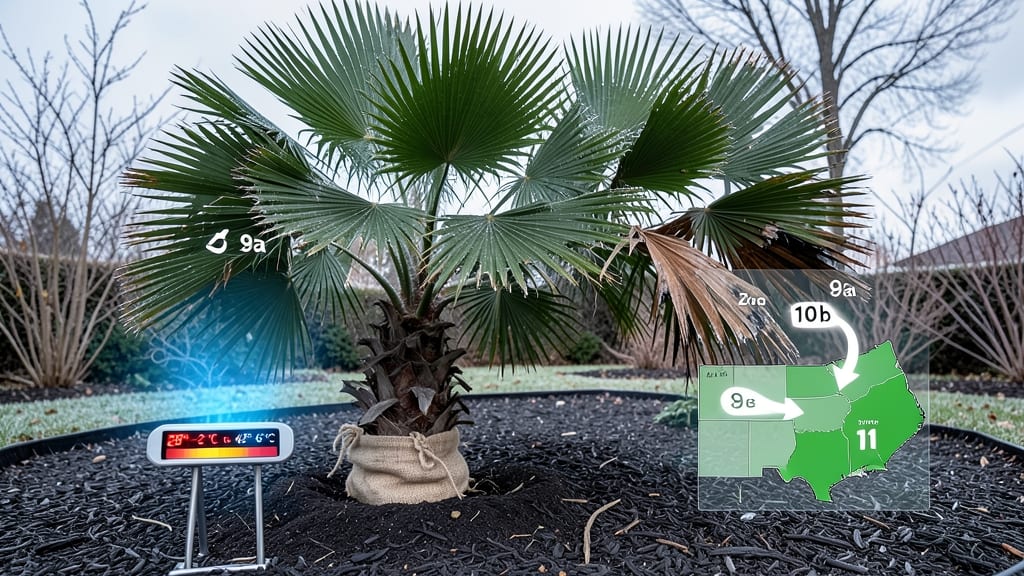
Your palm trees can thrive through winter if you understand their palm tree temperature tolerance—and I’ve learned which varieties actually survive 20-degree nights without turning into popsicles. 🌿 The key isn’t just picking a "cold-hardy" palm; it’s matching the species to your climate’s lowest temperatures, from 10°F survivors to those that need just a little winter protection.
Some palms, like the Windmill Palm (Trachycarpus fortunei), shrug off 10°F temps and even bounce back after frost, while others, such as the California Fan Palm, struggle below 25°F.
The trick is knowing which species thrive in your zone—and how to give them a fighting chance when temps drop unexpectedly. I’ll show you how to spot the signs of cold stress before it’s too late.
You’ll end up with palms that look lush and healthy even after winter, not just scraggly survivors. The right variety in the right spot means fewer dead fronds, more growth, and a yard that stays vibrant year-round. Plus, I’ll share my go-to protective strategies for pushing limits in transitional climates.
Whether you’re in Zone 7** or further north, this guide keeps your palms thriving—no matter what Mother Nature throws at them. Let’s get those fronds frost-free!
📚 In This Guide
- What you need
- Instructions
- Tips and common mistakes
- Wrapping up and next steps
What you need
- ● Thermometer (digital or infrared): Measure soil and air temperatures accurately (range: -40°F to 120°F / -40°C to 49°C).
- ● Cold-hardy palm saplings: Choose from varieties like Trachycarpus fortunei (Windmill Palm), Rhapidophyllum hystrix (Needle Palm), or Sabal minor (Dwarf Palmetto).
- ● Well-draining potting mix: 60% inorganic material (perlite, pumice) + 40% organic (peat moss, compost). Quantity: Enough for 2–3 gallon pots or in-ground planting.
- ○ Mulch (straw or pine needles): 2–3 inches thick to insulate roots. Optional: Burlap for wind protection.
- ● Pruning shears: Sharp, sterilized shears for trimming dead fronds (blade length: 6–8 inches).
- ● Gloves (heavy-duty): Protect hands from thorns (e.g., Rhapidophyllum species).
- ● Watering can or hose with adjustable nozzle: For gentle hydration (avoid soggy soil!).
- ● Soil thermometer probe: Check root-zone temps during cold snaps.
- ● Frost cloth or row covers: Lightweight fabric to shield young palms (use during light freezes, not heavy frost).
- ● Slow-release fertilizer (balanced 10-10-10): 1 tbsp per palm, applied in spring only.
- ● Planting stakes: For support if transplanting mature palms.
Step-by-Step guide to selecting and caring for cold-hardy palm trees
Here's how to choose and protect palm varieties that thrive in cooler climates—no tropical guesswork required.
🌱 Step 1: Identify Your Hardiness Zone and Palm Varieties
First, determine your USDA hardiness zone—this tells you which palms will survive winter. Zones 8-11 offer the broadest options, but even in Zone 7, cold-tolerant varieties like Windmill Palm (Trachycarpus fortunei) or Needle Palm (Rhapidophyllum hystrix) can thrive with protection. I always check the Palm Society's cold-hardiness charts before selecting.
For Zone 8-9, consider Chinese Windmill (Trachycarpus wagnerianus) or Mediterranean Fan Palm (Chamaerops humilis). These handle brief dips to 20°F without permanent damage. In Zone 10, California Fan Palm (Washingtonia filifera) or Mexican Fan Palm (Washingtonia robusta) are classic choices—they tolerate 25-30°F but may need mulch in extreme cold snaps.
☀️ Step 2: Plant in Sheltered Locations for Natural Protection
Palms hate cold winds, so plant them near south-facing walls, fences, or large shrubs to create a microclimate. I’ve seen Windmill Palms survive 15°F when planted against a brick wall, while identical specimens in open areas died. Avoid low spots where cold air pools—palms need airflow but not freezing drafts.
Use 3-4 inches of mulch (like wood chips or bark) around the base to insulate roots. The mulch should extend outward 2 feet from the trunk and be 3-4 inches deep. This prevents soil temperature swings that stress roots. Water the palm deeply before the first frost—hydrated roots handle cold better than dry ones.
✂️ Step 3: Apply Protective Wrapping for Extreme Cold Snaps
When temperatures drop below 25°F, wrap the trunk and fronds of young or sensitive palms with burlap or frost cloth. Secure it loosely with twine—too tight, and you’ll restrict growth. I’ve used burlap sacks for Mediterranean Fan Palms in Zone 8, and they’ve survived 18°F with no damage. Avoid plastic—it traps moisture and causes rot.
For fronds, fold them downward and tie them loosely with jute twine to prevent snapping under ice or snow. This also protects the growing tip (the "heart") from frost damage. If your palm is in a container, move it to a garage or sheltered patio—potted palms lose heat faster than in-ground plants.
🪴 Step 4: Monitor Soil and Watering During Winter Dormancy
Cold-hardy palms enter dormancy, so reduce watering by 50% once temperatures drop below 40°F. Overwatering in winter stresses roots and makes them vulnerable to freeze-thaw cycles. I check soil moisture by pushing a finger 2 inches deep—if it’s damp, wait. If dry, water slowly at the base to avoid wetting fronds.
Use well-draining soil (a mix of native soil, compost, and sand) to prevent waterlogging. In containers, ensure pots have drainage holes and elevate them slightly to avoid cold air settling around the base. A mulch volcano (piled mulch around the trunk) adds extra insulation—just keep it 6 inches from the trunk to avoid rot.
⏰ Step 5: Prune Damaged Fronds in Early Spring
Wait until after the last frost (when nighttime temps stay above 35°F) to prune. Remove only brown, crispy fronds—healthy green fronds are still photosynthesizing and feeding the palm. I use clean, sharp pruners to cut fronds at the base of the trunk, leaving a small stub to prevent water from pooling.
If the palm’s growing tip (the "heart") is damaged, don’t panic—many cold-hardy palms regenerate from the base. New fronds will emerge from the trunk within 4-6 weeks of warm weather. Avoid heavy pruning in late summer or fall, as new growth won’t harden off before winter.
Tips & tricks for cold-hardy palm tree care
These cold-hardy palm varieties demand special attention—here's how to give them the best shot at surviving winter.
Zone-Specific Selection: The USDA hardiness zone chart is your best friend, but remember that microclimates matter. A Chinese Windmill Palm in Zone 8 might survive 15°F when planted against a brick wall, but in an exposed location, it could struggle at 20°F. I've seen Mediterranean Fan Palms handle 18°F with protective wrapping, but they'll need extra care in Zone 7. Always verify with local nursery experts who understand your specific climate patterns.
Root Insulation Strategy: The 3-4 inches of mulch around your palm's base isn't just decoration—it's a critical thermal barrier. For container palms, consider adding insulated plant wraps around the pot itself before winter. I've had California Fan Palms in Zone 10 survive 25°F dips by wrapping the pots in thick bubble wrap and placing them against south-facing walls. This creates an extra insulating layer that prevents rapid temperature swings.
Frond Protection Technique: When you fold fronds downward and secure them with jute twine (Step 3), you're not just preventing breakage—you're creating a natural windbreak that reduces heat loss. For particularly delicate varieties like Needle Palm, I recommend adding an extra layer of burlap between the fronds to create a "palm blanket" effect. This trapped air acts as insulation, helping maintain temperatures just above freezing around the growing tip.
Spring Recovery Insight: That 4-6 week recovery time after winter damage (Step 5) can feel agonizing, but it's actually a sign of resilience. Many palms store energy in their trunks during dormancy, which fuels new growth. If you notice new fronds emerging from the base but the original growing tip is damaged, resist the urge to prune them—these new shoots are your palm's way of regenerating. I've seen Windmill Palms completely recover from frost damage within 8 weeks when given proper care during this critical period.
Pro Tips for Palm Tree Temperature Tolerance
- These cold-hardy palm varieties demand special attention—here's how to give them the best shot at surviving winter.
- Zone-Specific Selection: The USDA hardiness zone chart is your best friend, but remember that microclimates matter. A...
- Root Insulation Strategy: The 3-4 inches of mulch around your palm's base isn't just decoration—it's a critical therm...
Frequently asked questions
Got questions about keeping your palm trees thriving in less-than-ideal temperatures? You’re not alone! Here are some of the most common concerns—and straightforward answers—to help you care for your cold-hardy palms with confidence.
Can palm trees survive freezing temperatures?
Most palm trees cannot tolerate freezing temps (below 20°F/-7°C), but some varieties like the Needle Palm or Windmill Palm can handle brief dips to 10°F (-12°C). For others, mulching, frost cloth, or moving potted palms indoors can save them. Always check your specific species’ tolerance!
How do I protect my palm tree from cold weather?
Start with mulch (3–4 inches) around the base to insulate roots. Wrap the trunk with burlap or frost cloth and water deeply before a freeze (but avoid soggy soil). For potted palms, move them to a sheltered spot or garage. Pro tip: Avoid overhead watering—wet fronds freeze faster!
Will my palm tree recover if the leaves turn brown after a freeze?
Brown or crispy fronds are often a sign of frost damage, but don’t panic! Many palms regrow leaves from the center once temperatures warm. Prune dead fronds only after new growth appears to avoid stressing the tree. If the trunk splits or the tree looks mushy, it’s likely beyond recovery.
Are there palm trees that thrive in cooler climates?
If you live in USDA Zones 7–9, consider these cold-tolerant picks:
- Needle Palm (survives to 10°F/-12°C)
- Windmill Palm (handles 15°F/-9°C)
- Dwarf Palmetto (tolerates 10°F/-12°C)
- Mediterranean Fan Palm (Zone 7 Hardy)
What should I do if my palm tree looks stressed but isn’t frozen?
Stress from heat or drought can mimic cold damage. First, check the soil—it should be moist but not waterlogged. If roots are dry, water deeply and apply a slow-release fertilizer to boost resilience. Yellowing fronds may signal overwatering or nutrient deficiency. Pro tip: A soil test can pinpoint exact needs!
Wrapping up and next steps
Understanding palm tree temperature tolerance is key to keeping your tropical beauty thriving—even in cooler climates! 🌴❄️ From Trachycarpus fortunei to Butia capitata, cold-hardy varieties prove that palm trees aren’t just for warm weather.
With the right care—like proper mulching, watering, and winter protection—you can enjoy their lush foliage year-round.
Ready to give it a try? Start small! Pick a cold-resistant variety that suits your zone, monitor its progress, and share your success with fellow plant lovers. Your backyard oasis awaits—go plant with confidence! 🌱