
Pruning
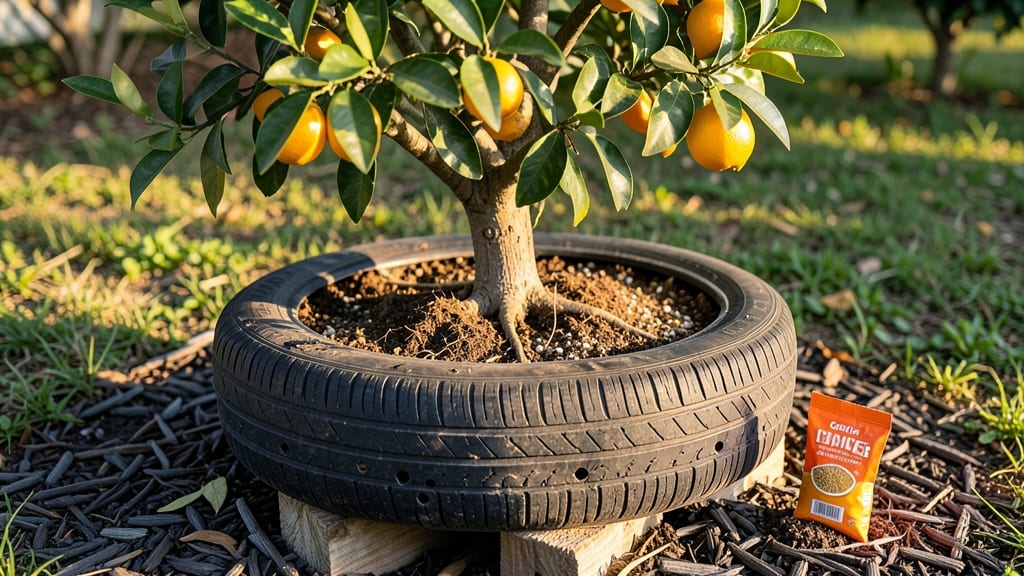
Transforming old tires into thriving orange trees saves space and gives your citrus a mobile, stylish home. 🌱 I’ve grown oranges in repurposed tires for years—they drain better than pots, move easily when needed, and look surprisingly chic in a garden corner.
The key is prep: clean the tires thoroughly (soapy water works), paint them if you want a polished look, and drill drainage holes at the bottom. Use a well-draining citrus mix (equal parts potting soil, perlite, and compost) to keep roots happy and prevent soggy soil.
Your tree will reward you with glossy leaves and sweet fruit within 3-5 years, depending on the variety. The mobile planter lets you shift it for sunlight or shelter, and the rustic-chic look fits any garden style—urban, cottage, or modern.
Just avoid black tires (toxic fumes risk) and opt for food-safe rubber. With the right care, these planters turn trash into treasure—and your patio into a mini citrus grove!
📚 In This Guide
- What you need
- Instructions
- Tips and common mistakes
- Wrapping up and next steps
What you need
- ● Tires: 1–3 used car or truck tires (clean, dry, and free of cracks). Pro tip: 💡 Larger tires (15"+ diameter) hold more soil and roots!
- ○ Citrus Tree: 1 dwarf orange tree (e.g., Calamondin or Meyer lemon) from a nursery (3–5 gallons). Optional: Seedlings if you’re patient!
- ● Potting Soil: 1 bag (15–20 lbs) of well-draining citrus-specific mix or a blend of 60% potting soil + 40% perlite/sand.
- ● Drainage: Small rocks (e.g., gravel or crushed stone) or broken pottery pieces (1–2 cups).
- ● Tools: Drill or screwdriver (to create drainage holes)
- ● Safety gloves & goggles (for handling tires)
- ● Scissors or utility knife (to trim tire edges)
- ● Spray bottle (for watering seedlings)
- ● Decor: Acrylic paint (for customizing tires) + paintbrush
- ● Fertilizer: Slow-release citrus fertilizer pellets or liquid feed (e.g., Miracle-Gro)
- ● Support: Small stakes or trellis (for young trees)
- ● Mulch: Wood chips or straw (to retain moisture)
How to create orange tree tire planters for small-space citrus growing
Turn old tires into thriving citrus trees with this clever, space-saving method that works in balconies or patios.
🪴 Step 1: Choose and Prepare the Tires
Start with 4 large truck or tractor tires—they hold enough soil for mature dwarf citrus trees. Clean them thoroughly with soapy water and a stiff brush to remove any grease or debris. Rinse well and let them dry completely in the sun. This prevents rot and keeps your trees healthy.
Cut the top 2 inches off each tire using a hacksaw or reciprocating saw. This creates a wider planting rim and prevents soil from spilling out. Sand any rough edges smooth so they won’t damage your hands or the tree’s delicate roots. I like to paint the inside of the tire with non-toxic outdoor paint for extra durability—just make sure it’s fully cured before planting.
🌱 Step 2: Layer for Drainage and Soil Mix
Drill 4-6 drainage holes in the bottom of each tire using a power drill and ½-inch bit. This is critical—citrus trees hate soggy roots. Line the bottom with ½-inch landscape fabric to keep soil from washing out while still allowing water to drain.
Fill each tire ⅓ full with small rocks or broken pottery for extra drainage. Then add a 2-inch layer of coarse sand on top of the rocks. This prevents soil compaction and ensures water flows freely. Now, mix 4 gallons of potting soil with 1 gallon of perlite for each tire—this light, airy blend prevents root rot and mimics the well-draining soil citrus trees love.
☀️ Step 3: Plant Your Dwarf Citrus Trees
Dig a hole in the center of each tire twice as wide as the tree’s root ball and just as deep. Gently remove the tree from its nursery pot and loosen the roots if they’re circling. Place the tree in the hole so the top of the root ball sits 1 inch below the tire’s rim—this prevents soil from washing away during watering.
Backfill with your soil mix, pressing lightly around the roots to remove air pockets. Water deeply until it drains from the holes at the bottom. I like to add a slow-release citrus fertilizer (like 10-10-10) mixed into the soil—this gives the tree a steady nutrient boost without risking over-fertilization. Mulch the top with 1 inch of pine bark fines to retain moisture and regulate soil temperature.
💧 Step 4: Position for Sun and Watering
Place your tire planters in a location with full sun (6+ hours daily)—citrus trees are sun-worshippers. If you’re on a balcony or patio, arrange them so they get morning sun and afternoon shade if temperatures exceed 90°F. I stack mine on casters for easy repositioning as the sun shifts with the seasons.
Water deeply every 3-4 days in warm weather, checking that the soil is dry 2 inches down before watering again. Citrus trees are drought-tolerant once established, but young trees need consistent moisture. Use a 5-gallon watering can to ensure even saturation—pour slowly until water runs out the drainage holes. Reduce watering in winter, aiming for once every 7-10 days unless the soil feels bone-dry.
✂️ Step 5: Prune and Protect for Long-Term Growth
Prune your trees once in early spring to shape them and remove any dead or crossing branches. Use clean, sharp pruning shears and cut just above a leaf node to encourage new growth. I also remove any suckers (shoots growing from the base) to keep the tree’s energy focused on fruit production.
Watch for aphids or scale insects—common citrus pests—by inspecting the undersides of leaves weekly. Spray with neem oil solution (1 tablespoon per gallon of water) if you spot any pests. In cold climates, move the tires indoors near a south-facing window or under grow lights when temperatures drop below 40°F. With proper care, your tire-grown citrus trees can produce fruit in 3-5 years!
Tips & tricks for perfect orange tree tire planters
These clever hacks will help you transform old tires into thriving citrus containers that last for years.
Material Prep: Confession: I skipped sanding the tire edges for years and ended up with splinters. Take the extra 10 minutes to smooth any rough spots after cutting—your hands (and the tree roots) will thank you. For extra durability, I use a non-toxic outdoor paint on the inside of the tires before planting. Just let it cure completely—usually about 24 hours—before adding soil.
Drainage Strategy: The 4-6 drainage holes are non-negotiable, but here's what nobody tells you: Use a power drill with a ½-inch bit and drill holes in a staggered pattern around the bottom. This creates better airflow and prevents soil from clogging the holes over time. I also add a ½-inch layer of landscape fabric before the rocks—this keeps the soil from washing out while still allowing water to drain.
Soil Mix Secrets: The 4:1 ratio of potting soil to perlite is perfect, but I've found that adding ½ cup of worm castings to each tire's soil mix gives the trees a natural nutrient boost right from the start. This helps compensate for the limited space and prevents nutrient deficiencies that can occur in container growing. Mix it in thoroughly before planting.
Watering Wisdom: Those 3-4 day watering intervals work perfectly in warm weather, but I've learned to adjust based on the season. In summer heat, I water every 2-3 days instead, and in winter I reduce to once every 10-14 days. Always check the soil 2 inches down—that's where the roots are actively growing. A 5-gallon watering can is ideal because it lets you pour slowly until water runs out the drainage holes, ensuring thorough saturation without runoff.
Pro Tips for Orange Tree Tire
- These clever hacks will help you transform old tires into thriving citrus containers that last for years.
- Material Prep: Confession: I skipped sanding the tire edges for years and ended up with splinters.
- Drainage Strategy: The 4-6 drainage holes are non-negotiable, but here's what nobody tells you: Use a power drill with a ½-inch bit and drill holes in a staggered pattern around the bottom.
Frequently asked questions
Got questions about repurposing old tires into stylish, space-saving orange tree planters? We’ve got answers! Here are some of the most common queries—plus practical tips to make your citrus garden project a success.
How do I prepare a used tire for planting an orange tree?
Clean the tire thoroughly with soap and water to remove dirt and debris. Drill drainage holes along the bottom to prevent root rot. Sand rough edges to avoid damaging the tree’s bark or your hands. A quick coat of non-toxic sealant (like linseed oil) can extend the tire’s lifespan and keep it looking fresh.
How long does it take for an orange tree to bear fruit in a tire planter?
With proper care, a dwarf or semi-dwarf orange tree in a tire planter can produce fruit in 3–5 years. Patience is key—ensure the tree gets full sun (6+ hours daily), well-draining soil, and regular watering. Smaller varieties (like ‘Calamondin’ or ‘Meyer lemon’) may fruit even faster!
Can I use any type of tire for this project?
Not all tires are equal! Opt for smaller, lightweight tires (e.g., 14–16 inches in diameter) to avoid overpowering the tree’s root system. Avoid tires with deep treads or sharp edges. If you’re crafty, stack two tires (smaller inside, larger outside) for extra depth and stability.
Why is my orange tree in a tire planter turning yellow or dropping leaves?
Yellowing leaves or leaf drop often signal overwatering, nutrient deficiency, or poor drainage. Check the soil—it should be slightly moist but not soggy. Feed the tree with citrus-specific fertilizer every 2–3 months, and repot if roots are circling the tire’s bottom. A sunny spot and consistent care will keep it thriving!
What’s a good alternative if I don’t have old tires?
No tires? No problem! Try these space-saving planter alternatives:
- Grow bags (breathable fabric for easy root monitoring)
- Wooden half-barrels (rustic charm + drainage holes)
- Fabric pots (lightweight and portable)
- Upcycled buckets (drill holes and line with landscape fabric)
Wrapping up and next steps
Transforming an old tire into an orange tree tire planter isn’t just creative—it’s a brilliant way to grow citrus in small spaces while giving new life to repurposed materials. 🌱 Whether you’re a city dweller with a balcony or a gardener looking to declutter, this project blends sustainability with productivity.
The best part? Your tire planter is ready to nurture sweet, homegrown oranges in no time!
Ready to get started? Grab your tools, pick a sunny spot, and let your green thumb shine! 🌞 Why not share your progress with fellow citrus enthusiasts or even gift a planter to a friend? The possibilities are as endless as your harvest potential.