
Size
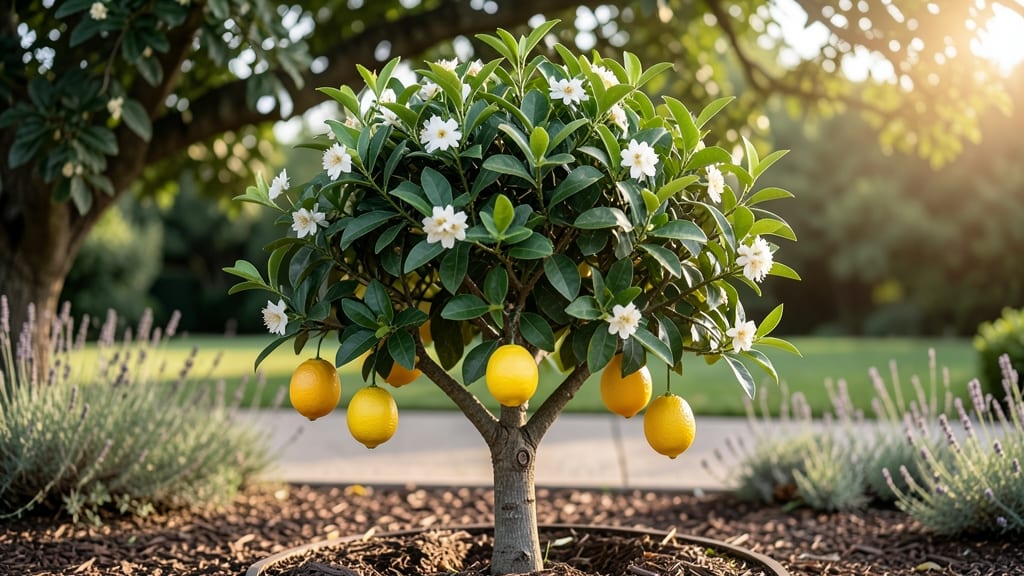
A dwarf Meyer lemon tree size stays between 6 and 8 feet at maturity, making it perfect for small spaces—whether your balcony or backyard is tight, this citrus gem fits without sacrificing flavor.
Picture this: a 🍋 tree heavy with sweet lemons, yet small enough to tuck into a corner or a large pot. That’s the magic of dwarf varieties like the Improved Meyer, which grow just half the height of their standard counterparts. But size isn’t everything—root space matters just as much.
Container gardening? No problem. A 15-gallon pot gives roots room to breathe while keeping the tree compact, while pruning a few branches each year keeps it from outgrowing its spot. The trade-off? A slightly slower growth rate in the first two years, but the payoff is years of easy harvesting.
In this guide, I’ll break down the exact container sizes, pruning tips, and spacing rules to keep your dwarf Meyer lemon tree thriving—no matter how limited your space.


How big does a dwarf Meyer lemon tree actually get?
If you're dreaming of growing sweet, juicy Meyer lemons but worry about limited space, dwarf varieties are your best bet. These citrus trees stay remarkably compact while still producing abundant fruit.
But how big can you really expect them to grow? The answer depends on the specific variety and growing conditions.
The most common dwarf Meyer lemon varieties—like the 'Improved Meyer' and 'Patio Meyer'—typically mature between 6 to 8 feet tall and 4 to 6 feet wide. However, their final size is heavily influenced by whether they're grown in containers or in-ground.
Root restriction in pots can keep them even smaller, while garden planting often lets them reach their full potential.
Below is a quick comparison of how different dwarf varieties compare in terms of size, growth habits, and container suitability. This will help you choose the perfect fit for your space—whether it's a balcony, patio, or small backyard.
| Variety | Mature Height | Mature Spread | Growth Rate | Container Suitability |
|---|---|---|---|---|
| Improved Meyer | 6-8 ft | 4-6 ft | Moderate (1-2 ft/year) | Excellent (thrives in 15-25 gal) |
| Patio Meyer | 5-7 ft | 3-5 ft | Slow (1 ft/year) | Ideal (stays small in 10-15 gal) |
| Dwarf Meyer (Standard) | 6-8 ft | 4-6 ft | Moderate (1-2 ft/year) | Good (needs 20+ gal for longevity) |
| Potted Meyer (Mini) | 3-5 ft | 2-3 ft | Slow (6-12 in/year) | Best (thrives in 5-10 gal) |
When grown in containers, dwarf Meyer lemon trees naturally stay smaller due to root restriction. A 5-gallon pot might keep a young tree under 3 feet tall, while a 25-gallon container could support a mature 6-foot tree.
The key is choosing a pot with adequate drainage and upgrading as the tree grows—typically every 2-3 years.
In-ground planting allows these trees to reach their full 6-8 foot height, but they still maintain a compact, bushy shape compared to standard lemon trees. The trade-off? You’ll need to prune regularly to control spread and maintain airflow, which reduces disease risk.
I recommend pruning in late winter or early spring to shape the tree and encourage fruit-bearing branches.
One common misconception is that dwarf varieties produce fewer lemons than their larger counterparts. In reality, they yield plenty of fruit—just on a smaller scale. A well-cared-for 6-foot dwarf Meyer can produce 50-100 lemons per year, depending on sunlight, water, and fertilizer.
The fruit may be slightly smaller, but the flavor is just as sweet and complex.
If you're growing your dwarf Meyer in a container, pay close attention to root-bound signs like leaves turning yellow or growth slowing. These are clear indicators it’s time to repot into a larger container.
I’ve found that upgrading to a pot that’s 2-4 inches wider gives roots the space they need to thrive without overwhelming the tree’s size.
For those with limited space, the 'Patio Meyer' is often the best choice. It stays under 5 feet tall and 3 feet wide, making it perfect for balconies or small patios. Even in a 10-gallon container, it can produce dozens of lemons annually with proper care.
Just ensure it gets at least 6 hours of sunlight daily and well-draining soil to prevent root rot.
Remember, the smaller the container, the more you’ll need to prune and fertilize to keep the tree healthy. I use a balanced citrus fertilizer every 4-6 weeks during the growing season and prune back any leggy growth to maintain a compact, bushy shape.
With the right variety and care, your dwarf Meyer lemon tree can be both a space-saving beauty and a fruitful addition to your garden.
🌱
Best container sizes and spacing for compact growth
Choosing the right container size is critical for your dwarf Meyer lemon tree to thrive without becoming root-bound. A 5-gallon pot works for young saplings, but mature trees need at least a 15-gallon container to support healthy growth and fruit production.
Root restriction in small pots stunts growth and reduces yields, so plan ahead for upgrades as your tree matures.
Proper drainage holes are non-negotiable—citrus trees hate soggy roots. Add a 2-inch drainage layer of gravel or broken pottery at the bottom of every container to prevent waterlogging. Pair this with a well-draining citrus-specific potting mix to mimic the sandy, slightly acidic soil these trees prefer in their native habitats.
Here’s how container size directly impacts your dwarf Meyer’s growth potential, including spacing rules for outdoor plantings:
| Container Size | Ideal For | Minimum Dimensions | Spacing Needs | Upgrade By |
|---|---|---|---|---|
| 5-gallon | Seedlings (1 year) | 12" diameter x 12" deep | N/A (single plant) | Year 2 |
| 15-gallon | Mature dwarf (3+ years) | 18" diameter x 18" deep | 12" from other plants | Year 5-6 |
| 25-gallon | Heavy fruiting trees | 24" diameter x 24" deep | 18" from other plants | Never (max size) |
For outdoor plantings, maintain at least 12 inches of spacing between dwarf Meyer lemon trees to allow airflow and prevent disease. If growing multiple trees in containers, space them 18 inches apart to avoid competition for nutrients.
Remember, citrus trees are heavy feeders—larger containers mean more root space to support bigger harvests.
When upgrading containers, choose one that’s 2-3 inches wider and deeper than the current pot. This gradual increase minimizes transplant shock while giving roots room to expand. Add fresh potting mix and a slow-release citrus fertilizer when repotting to encourage robust growth after the transition.
Never let your dwarf Meyer lemon tree sit in a container without drainage for more than a few hours. Overwatering in poorly draining pots leads to root rot, which can kill even a healthy young tree.
Use self-watering containers with caution—citrus trees prefer slightly drier conditions between waterings rather than constant moisture.
With the right container and spacing, your dwarf Meyer lemon tree will stay compact while producing abundant fruit year after year—perfect for small gardens, patios, or even sunny balconies. 🌱🍋