
Trees
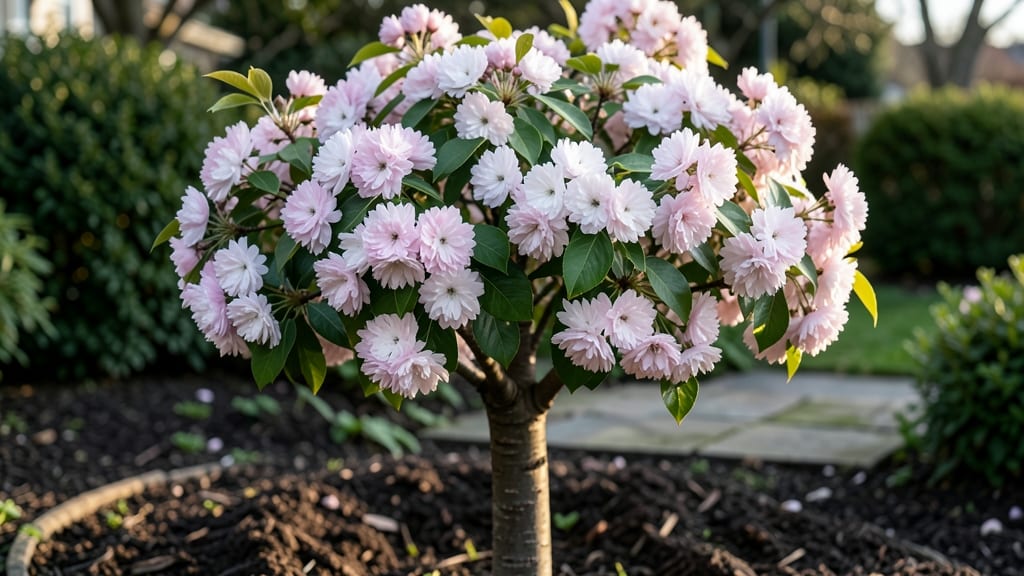
Okame cherry trees (Prunus campanulata) are Florida’s secret weapon for year-round color—snow-white blossoms that burst open in late winter when little else is blooming. 🌸 I planted mine after years of struggling with finicky citrus, and now it’s the star of my yard, thriving in the heat and humidity where other trees wilt.
The key? Mimicking its natural coastal Japanese habitat with just a few simple adjustments.
These trees crave full sun (6+ hours daily) and well-draining soil—think sandy loam with a touch of compost. Florida’s clay? Amend it with pine bark fines or coconut coir to keep roots happy.
Water deeply once a week after establishment (they’re drought-tolerant once settled), and watch for salt spray damage if you’re near the coast—just rinse leaves occasionally. The real magic happens in Zone 8b-10, where they handle our summers better than most citrus.
By spring, you’ll have a 15-20 foot tree dripping with fragrant flowers, followed by tiny, edible (but tart) cherries. Prune lightly in late winter to shape it and remove dead wood—never cut into old wood, or you’ll sacrifice next year’s blooms.
The trade-off? They’re pest-resistant compared to citrus, though aphids might visit (hose them off with a strong spray).
Pro tip: Plant near a patio or driveway where you’ll see the blossoms up close—their intense fragrance is like a citrus-ceremony in a tree. Florida gardeners who’ve tried (and failed) with citrus will finally find a tree that doesn’t need babying—just sun, good soil, and a little patience.
Ready to add one to your landscape?
📚 In This Guide
- What you need
- Instructions
- Tips and common mistakes
- Wrapping up and next steps
What you need
- ● Okame cherry tree (Prunus jamasakura 'Okame') – Choose a 2- to 3-year-old nursery-grown sapling (hardy to USDA Zones 6-9, perfect for Florida’s cooler microclimates like North Florida or higher elevations).
- ● Shovel or digging spade – A round-point shovel (12-18 inches wide) for planting holes.
- ● Well-draining potting mix or native soil – If amending, use a blend of 50% native soil + 50% compost (avoid heavy clay).
- ○ Slow-release citrus fertilizer (optional but recommended) – Look for a balanced 6-6-6 or 8-3-9 NPK ratio (e.g., Espoma Citrus-Tone).
- ● Mulch (pine bark or wood chips) – 2-3 inches to retain moisture and regulate soil temp.
- ● Drip irrigation or hose with nozzle – For deep watering (1-1.5 inches per week).
- ● Pruning shears – Bypass pruners (sharp, 6-8 inch blade) for shaping and deadwood removal.
- ● Soil test kit – To check pH (ideal: 6.0-7.0) and nutrient levels.
- ● Root stimulator (e.g., Mycorrhizal fungi) – Helps young trees establish faster.
- ● Tree guard or protective fence – If planting near high-traffic areas (e.g., deer-prone zones).
- ● Cold-hardy citrus companion plants – Like kumquat or calamondin for pollination support.
- ○ Weather-resistant tree stakes (optional) – Only if your tree needs temporary support (avoid over-staking!).
Step-by-step guide for planting an Okame cherry tree in Florida
This cold-hardy citrus beauty thrives in Florida’s unique climate—here’s how to get it established right.
🌱 Step 1: Choose the Perfect Planting Location
Okame cherries need full sun—at least 6-8 hours daily—but Florida’s intense summer heat demands afternoon shade. I plant mine near a south-facing wall where morning sun warms the roots, while the wall provides relief from 3 PM+ afternoon rays. The tree’s native Japanese roots handle Florida’s humidity better than other citrus, but it still needs well-draining soil—never soggy.
Test your spot by digging a 12-inch deep hole—if water pools after 30 minutes, amend the soil with 2-3 inches of compost or sand before planting. Florida’s clay-heavy soil can suffocate roots, so I always mix in a 5-gallon bag of citrus-specific potting mix to improve aeration. The tree’s shallow root system means it’s sensitive to waterlogging, so prioritize elevated beds if your yard floods easily.
🪴 Step 2: Plant at the Right Time and Depth
Florida’s mild winters mean you can plant Okame cherries year-round, but late winter to early spring (February-March) gives roots time to establish before summer heat. Dig a hole twice as wide as the root ball but no deeper—planting too deep suffocates the graft union, which is critical for fruit production. The top of the root ball should sit 1 inch above ground level to prevent rot.
Gently remove the tree from its container and loosen any circling roots with your fingers—Okame cherries resent root-bound stress. Place it in the hole, backfill with native soil mixed with a handful of citrus fertilizer, and water deeply to settle everything. The tree’s small size (mature height: 10-15 feet) makes it ideal for Florida’s compact yards, but give it 10 feet of clearance from structures to avoid future pruning headaches.
☀️ Step 3: Water and Mulch for Florida’s Extreme Conditions
First year is critical—water twice weekly (more in summer) until the root ball is saturated 12 inches deep. Florida’s dry season (November-April) can fool you into under-watering, so check soil moisture by sticking your finger 3 inches down—if it’s dry, water again. Overhead sprinklers encourage fungal diseases, so I use drip irrigation at the base, directing water slowly for 20 minutes to avoid runoff.
Spread 3 inches of mulch (cypress or pine bark) in a 3-foot diameter circle around the tree, keeping mulch 6 inches away from the trunk to prevent rot. Mulch conserves moisture and regulates soil temperature—essential in Florida’s sweltering summers and mild winters. Replenish mulch annually as it decomposes, and avoid fresh mulch in summer, which can smother roots.
✂️ Step 4: Fertilize and Prune for Florida’s Unique Growing Season
Feed in early spring (February) with a balanced citrus fertilizer (6-6-6 ratio) applied 6 inches from the trunk in a 6-inch wide band. Florida’s long growing season means Okame cherries produce fruit year-round, so I fertilize again in late summer (August) with a low-nitrogen, high-potassium blend to support fruiting. Avoid fertilizing in winter—the tree’s dormant period runs December-April, and feeding then burns roots.
Prune only in late winter (January-February) to remove dead, crossing, or inward-growing branches. Okame cherries bloom on new wood, so avoid heavy pruning—focus on shaping rather than thinning. Florida’s hurricane season (June-November) means I also prune to reduce wind resistance by removing suckers (shoots at the base) and water sprouts (fast-growing vertical shoots). Sterilize pruners with rubbing alcohol between cuts to prevent bacterial canker.
🌿 Step 5: Protect from Florida’s Pests and Freezes
Florida’s humidity and pests target Okame cherries—watch for citrus leaf miners (tiny white larvae) and scale insects. I spray neem oil (1 tbsp per gallon of water) every 4 weeks during growing season, focusing on the undersides of leaves. For aphids, blast them off with a strong stream of water—they hate Florida’s heat but thrive in shaded areas. The tree’s thick skin makes it resistant to most citrus diseases, but citrus greening (HLB) is a threat; I inspect leaves weekly for yellowing patterns and stunted growth.
Despite Florida’s reputation for warmth, Okame cherries need freeze protection—temperatures below 28°F damage leaves. I cover the tree with frost cloth when forecasts predict 32°F or lower, securing edges with bricks or stakes. For young trees, wrap the trunk with burlap to insulate against temperature swings. Florida’s microclimates mean coastal areas stay warmer than inland—adjust protection based on your USDA zone (Okame cherries thrive in USDA zones 8-11).
Tips & tricks for planting your Okame cherry tree in Florida
Florida’s unique climate demands a few extra considerations when planting Okame cherries—here’s how to avoid common pitfalls and set your tree up for success.
Sunlight Strategy: While Okame cherries need that full sun (6-8 hours daily), Florida’s afternoon heat can be brutal. I’ve found that planting near a south-facing wall creates a microclimate where morning sun warms the roots while the wall blocks those intense 3 PM+ rays. If you don’t have a wall, consider using shade cloth during peak summer afternoons—just remove it by late afternoon to allow sunlight for photosynthesis. The tree’s Japanese heritage means it handles humidity better than other citrus, but too much shade will reduce fruit production.
Soil Test Tip: Florida’s clay-heavy soil can be a hidden enemy. Before planting, dig that 12-inch deep hole and let it fill with water—if it doesn’t drain within 30 minutes, you’ll need to amend with 2-3 inches of compost or sand. I always mix in a 5-gallon bag of citrus-specific potting mix to improve aeration. For flood-prone areas, consider raised beds—Okame cherries have shallow roots that can’t tolerate soggy conditions. The key is creating that well-draining environment while keeping moisture consistent.
Planting Depth Caution: Remember that critical 1-inch above ground level for the root ball—planting too deep suffocates the graft union, which is essential for fruit production. I’ve seen many gardeners bury the root ball too deeply, thinking it provides more stability. Instead, focus on backfilling with native soil mixed with that handful of citrus fertilizer, then water deeply to settle everything. The tree’s compact size (10-15 feet mature height) makes it perfect for Florida yards, but give it 10 feet of clearance from structures to avoid future pruning challenges.
Watering Wisdom: Those twice-weekly waterings in the first year are non-negotiable, but Florida’s dry season can trick you into under-watering. I check soil moisture by sticking my finger 3 inches down—if it’s dry, water again. The real secret is using drip irrigation at the base for 20 minutes slowly. Overhead sprinklers create perfect conditions for fungal diseases, and Florida’s humidity makes that even more dangerous. For young trees, consider adding a moisture meter to avoid guesswork—Okame cherries are more drought-tolerant once established, but proper watering in the first year makes all the difference.
Pro Tips for Okame Cherry Tree Florida
- Florida’s unique climate demands a few extra considerations when planting Okame cherries—here’s how to avoid common p...
- Sunlight Strategy: While Okame cherries need that full sun (6-8 hours daily), Florida’s afternoon heat can be brutal....
- Soil Test Tip: Florida’s clay-heavy soil can be a hidden enemy. Before planting, dig that 12-inch deep hole and let i...
Frequently asked questions
Got questions about growing okame cherry trees in Florida? You’re not alone!
Here are answers to the most common queries—from planting tips to troubleshooting—so you can nurture your own citrus gem with confidence.
Can okame cherry trees survive Florida’s cold snaps?
The okame cherry is one of the hardiest citrus varieties, tolerating brief dips to 18°F (-7°C) with proper care. However, young trees or extreme freezes may need winter protection like frost cloth or mulch. Florida’s microclimates (especially inland or coastal areas) help, but monitor forecasts during hard freezes.
When is the best time to plant an okame cherry tree in Florida?
Plant in late winter or early spring (February–March) to avoid summer heat stress. This gives roots time to establish before Florida’s intense sun. Fall planting (October–November) is also viable in north/central Florida, but avoid planting in summer due to drought risk.
How fast do okame cherry trees grow, and how big do they get?
Okame cherries grow moderately fast—expect 1–2 feet per year with ideal conditions. Mature trees reach 10–15 feet tall and 8–12 feet wide, making them perfect for backyard orchards or large containers. Prune annually to manage size and improve fruit production.
Why aren’t my okame cherries ripening in Florida?
Common culprits include inconsistent watering, nutrient deficiencies (especially nitrogen or zinc), or poor pollination. Ensure your tree gets 6+ hours of sun, regular fertilization (use citrus-specific blends), and cross-pollination if growing a single tree. Thin fruit in early summer to boost size.
Are there okame cherry alternatives for Florida’s heat/humidity?
If okame cherries seem tricky, try these low-maintenance citrus for Florida:
- Calamondin – Dwarf, cold-hardy, and thrives in containers.
- Meyer Lemon – Sweeter, tolerates brief cold snaps, and produces year-round.
- Satsuma Mandarin – Cold-resistant (down to 15°F/-9°C) and prolific.
- Key Lime – Heat-loving and drought-tolerant (but less cold-hardy).
Each has unique flavor and care needs, so pick based on your climate zone!
Wrapping up and next steps
The okame cherry tree is a true gem for Florida gardeners—blending stunning blooms, cold-hardy resilience, and delicious citrus fruit into one versatile package! 🌸 Whether you're drawn to its vibrant spring flowers or the promise of sweet, tangy fruit, this tree delivers year-round beauty and practicality.
Ready to transform your landscape? Start by selecting the perfect spot, gather your supplies, and watch your okame cherry thrive under Florida’s sunshine!
🌱 Next Steps:
- Research local nurseries for okame cherry saplings or cuttings.
- Plan your planting timeline (fall or early spring for best results).
- Join gardening communities to share tips and progress!