
Neem Oil
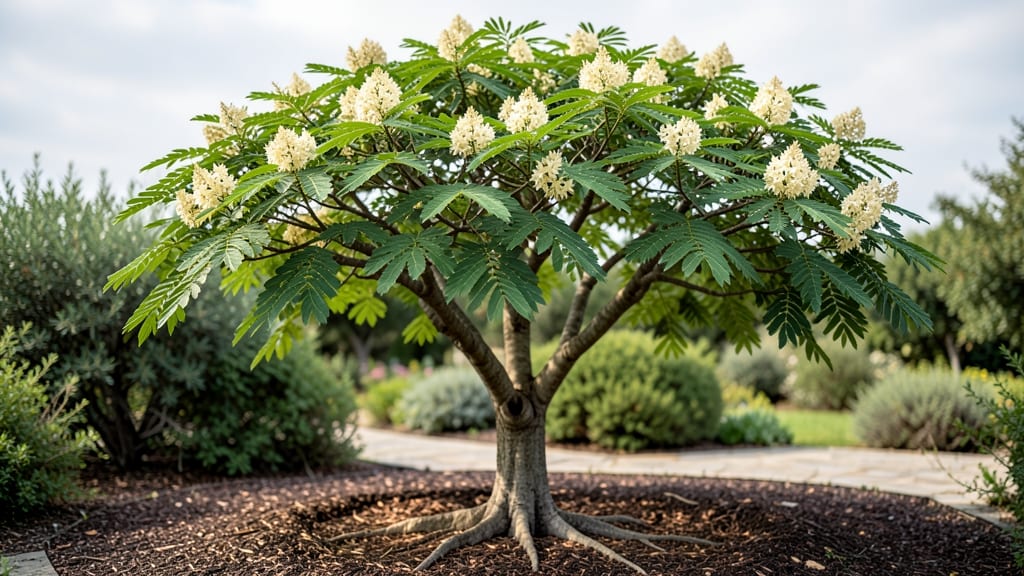
Growing a neem tree in Arizona isn't just possible—it's a game-changer for your desert garden. 🌵 This hardy tree thrives in our extreme heat and low humidity, making it one of the few plants that actually wants our climate.
Unlike many tropical trees, neem trees are drought-tolerant once established, and they reward you with fragrant flowers, silvery-green foliage, and natural pest resistance that keeps your yard healthier than ever.
The key to success starts with well-draining soil—Arizona's alkaline clay can be tricky, so amending with compost or sand helps roots breathe. Plant in full sun (6+ hours daily) and avoid watering overhead, which can invite fungal issues.
Most gardeners make the mistake of overwatering young trees, but neem trees prefer deep, infrequent watering—think once every 2-3 weeks after the first year. This isn't a fussy plant; it's built to handle our dry conditions.
What you'll love most is how low-maintenance this tree is. Neem trees resist pests naturally, so you won't need chemicals, and their fast growth means you'll have shade and benefits within 3-5 years.
The real payoff? Harvesting neem seeds for oil or using the leaves as a homemade pesticide—a desert gardener's secret weapon. Even in 110°F heat, this tree stays lush while most others wilt.
Here's the best part: neem trees handle our occasional freezes (down to 20°F) better than most tropical species, though young trees need a little winter protection. Whether you're planting for shade, pest control, or even neem oil production, this tree delivers—with almost no effort. Let's get yours growing!
📚 In This Guide
- What you need
- Instructions
- Tips and common mistakes
- Wrapping up and next steps
What you need
- ● Neem tree seeds or saplings: 1-2 (choose disease-resistant varieties like Azadirachta indica for best results).
- ● Well-draining potting mix: 5-10 gallons (blend cactus/succulent soil with perlite or pumice for aeration).
- ● Pot or planting hole: For containers: 15-20 gallon pot (with drainage holes).
- ● For in-ground: Dig a hole twice as wide as the root ball, 6+ inches deep.
- ● Organic mulch: 2-3 inches (straw, wood chips, or gravel to retain moisture).
- ● Watering can or hose with nozzle: 1 (for gentle, deep watering).
- ● Pruning shears: 1 (sterilized, sharp pair for trimming).
- ○ Fertilizer (optional but recommended): Balanced organic fertilizer (10-10-10) or neem-specific formula.
- ● 1-2 applications per year (spring/fall).
- ● Soil moisture meter: 1 (to avoid over/under-watering in desert heat).
- ● Shade cloth (30-50% coverage): 1 roll (for young trees in intense sun).
- ● Pest control: Neem oil spray (for aphids/mites) or companion plants like marigolds.
- ● Support stake: 1 (for tall saplings in windy areas).
- ● Gloves: 1 pair (to protect hands during planting/pruning).
Step-by-step instructions for planting and caring for neem trees in Arizona
Here's how to establish a neem tree that thrives in Arizona's intense sun and heat.
🌱 Step 1: Choose the Right Location and Planting Time
Neem trees need full sun exposure—at least 6-8 hours daily—so select a spot with unobstructed southern or western sunlight. In Arizona's climate, plant in late winter or early spring (February-March) when temperatures are mild but before the intense summer heat arrives.
This timing gives roots time to establish before the dry season. Avoid planting during summer's extreme heat (100°F+), as young trees struggle to adapt. Look for areas with slightly elevated ground or gentle slopes to improve drainage—neem trees hate soggy roots.
🪴 Step 2: Prepare the Soil and Plant Correctly
Neem trees tolerate poor soil but thrive in well-draining, slightly acidic to neutral soil (pH 6.5-7.5). If your soil is heavy clay, amend it with 3-4 inches of compost mixed into the top 12 inches of soil. Dig a hole twice as wide as the root ball but no deeper—planting too deep suffocates roots and causes stress.
Place the tree so the top of the root ball sits 1-2 inches above ground level. Backfill with native soil (not amended mix) to prevent settling. Water deeply immediately after planting to eliminate air pockets, then let the soil dry slightly before watering again. Mulch around the base with 2-3 inches of organic mulch, keeping it 6 inches away from the trunk.
☀️ Step 3: Water Deeply and Establish a Summer Routine
Neem trees are drought-tolerant once established, but young trees need consistent moisture. Water deeply every 7-10 days during the first year, soaking the soil to 18-24 inches deep. You'll know you've watered enough when the soil feels moist but not saturated at 6 inches down. Overwatering causes root rot in Arizona's heat.
After the first year, reduce watering to every 2-3 weeks unless temperatures exceed 110°F, then return to weekly deep watering. Avoid shallow, frequent watering—it encourages weak roots. Drip irrigation is ideal for neem trees in desert climates.
✂️ Step 4: Prune for Shape and Health
Prune neem trees in late winter (January-February) to remove dead, diseased, or crossing branches. Use clean, sharp pruners to make cuts just outside the branch collar. Avoid heavy pruning—neem trees respond poorly to aggressive cuts. Focus on opening the canopy to improve airflow and sunlight penetration.
In Arizona's intense sun, watch for sunburned leaves (yellowing or browning edges). This often signals the tree needs more frequent watering. Never prune during summer—stress from heat and cutting combined can harm the tree. A lightly pruned neem tree develops stronger branches and better fruit production.
🌿 Step 5: Monitor for Pests and Adjust Care
Neem trees are naturally resistant to many pests, but watch for aphids or scale in Arizona's dry heat. If you spot pests, apply neem oil (1% solution) in early morning or late evening to avoid burning leaves. Test a small area first—neem oil can be potent.
Fertilize lightly in spring with a balanced 10-10-10 fertilizer (follow package rates). Over-fertilizing causes salt buildup in desert soil, harming roots. If leaves yellow between veins, it’s a sign of iron deficiency—apply chelated iron or adjust soil pH slightly downward.
Tips & tricks for desert-climate neem tree care
Between us, Arizona's heat and dry conditions make neem tree success all about strategy—not luck. Here's what I've learned from years of growing these resilient trees in desert climates.
Location Intelligence: That 6-8 hours of daily sun requirement isn't just about sunlight—it's about avoiding afternoon shade that creates microclimates where humidity lingers. I've found the best spots are those with afternoon breezes that naturally evaporate any excess moisture. Look for areas where other desert-adapted plants thrive; neem trees follow similar patterns.
Soil Science: The pH 6.5-7.5 range is crucial, but don't stress if your soil tests slightly outside this—neem trees are forgiving. What matters more is that soil stays loose and well-draining. I've had success adding 1/4 cup of gypsum to the planting hole for clay-heavy soils; it helps break up compaction over time without altering pH significantly. The 3-4 inches of compost in the top 12 inches creates a perfect transition zone between native soil and root system.
Watering Wisdom: Those 7-10 day intervals during the first year might seem long, but shallow watering is worse. I use a soil probe to check moisture at 6 inches down—if it's dry, it's time to water. For new planters, consider installing a 5-gallon watering basin around the base; this creates a moisture reservoir that slowly releases water to roots. In summer heat over 110°F, I switch to drip irrigation set for 2 hours in early morning to prevent evaporation losses.
Pruning Precision: The January-February window for pruning is non-negotiable in Arizona's climate. I've seen trees stressed by summer pruning develop fungal issues within weeks. When pruning, focus on creating an open vase shape—this allows sunlight to reach the center where new growth emerges. Never remove more than 25% of the canopy in one session; neem trees respond poorly to aggressive cuts and may take years to recover.
Pro Tips for Neem Tree Arizona
- Between us, Arizona's heat and dry conditions make neem tree success all about strategy—not luck.
- Location Intelligence: That 6-8 hours of daily sun requirement isn't just about sunlight—it's about avoiding afternoon shade that creates microclimates where humidity lingers.
- Soil Science: The pH 6.5-7.5 range is crucial, but don't stress if your soil tests slightly outside this—neem trees are forgiving.
Frequently asked questions
Got questions about growing a neem tree in Arizona’s desert climate? You’re not alone—this tropical native can be tricky in the Southwest! Below, we’ve answered the most common queries to help you nurture a healthy, thriving tree with confidence.
Can a neem tree survive Arizona’s extreme heat and drought?
A neem tree (Azadirachta indica) thrives in USDA Zones 9-11, making it a great fit for Arizona’s low deserts (like Phoenix or Tucson) where temps stay above 20°F. However, it hates freezing temps—even brief dips below 25°F can damage or kill it. To protect yours:
- Plant in well-draining soil (mix in compost or sand if needed).
- Water deeply but infrequently (1-2 times/week in summer, less in winter).
- Use mulch (3-4 inches) to retain moisture and regulate soil temp.
- Choose a sheltered location (e.g., near a wall or larger tree) to shield from cold winds.
How long does it take for a neem tree to grow in Arizona?
Neem trees grow slow to moderate—expect:
- 1-2 years for saplings (1-3 ft tall) to establish roots.
- 5-10 years to reach maturity (15-20 ft tall) in ideal conditions.
- 3-5 years before producing flowers (and later, neem seeds/pods).
Pro tip:
Patience is key! Focus on soil health and watering consistency—rushing can stress the tree in Arizona’s dry heat.
What’s the best time to plant a neem tree in Arizona?
For optimal survival, plant during Arizona’s cooler months:
- Late winter to early spring (February–March): Soil is moist, and temps are mild.
- Avoid summer planting (June–September)—intense heat and dry winds stress young roots.
- Fall (October–November) is a close second if you’re in a higher-elevation desert area (e.g., Flagstaff).
If you must plant in summer, water deeply every 2-3 days for the first month and use shade cloth temporarily.
What should I do if my neem tree’s leaves turn yellow or brown?
Yellowing or browning leaves are common in Arizona neem trees—here’s how to troubleshoot:
| Issue | Likely Cause | Solution |
|---|---|---|
| Yellow leaves (especially older ones) | Overwatering or poor drainage | Let soil dry between waterings; amend soil with perlite or sand. |
| Brown, crispy edges | Underwatering or salt buildup (from tap water) | Water deeply 2x/week in summer; flush soil with rainwater. |
| Wilting + drooping | Root rot (too much moisture) or pests (e.g., aphids) | Check roots for mushiness; treat pests with neem oil spray. |
| Pale green leaves | Nutrient deficiency (common in sandy Arizona soil) | Fertilize with balanced organic fertilizer (e.g., 6-6-6) in spring. |
Pro tip:
Inspect the underside of leaves for pests—neem trees are pest-resistant but not immune!
Are there neem tree alternatives for Arizona that require less care?
If a neem tree seems too high-maintenance for Arizona’s climate, consider these low-water, drought-tolerant alternatives with similar benefits (pest-repellent, medicinal, or ornamental):
- Desert Willow (Chilopsis linearis): Thrives in heat, attracts hummingbirds, and has neem-like pest-deterrent properties.
- Texas Mountain Laurel (Sophora secundiflora): Drought-resistant, evergreen, and nitrogen-fixing (improves soil).
- Morning Glory Vine (Ipomoea spp.): Fast-growing, pest-repellent, and great for trellises (though not a tree).
- Palm Trees (e.g., Washingtonia filifera): Native to Arizona, zero watering once established, and adds shade.
- Mexican Poppy (Kallstroemia grandiflora): Drought-proof, blooms year-round, and deters pests naturally.
For neem oil benefits without the tree, opt for commercial neem oil (derived from seeds) or grow neem shrubs (e.g., Melia azedarach, or Chinaberry, though it’s invasive in some areas).
Wrapping up and next steps
Growing a neem tree in Arizona’s desert climate is not only possible—it’s a rewarding way to harness nature’s power for health, sustainability, and beauty! 🌵 With the right soil, sunlight, and care, your neem tree can thrive, offering shade, medicinal benefits, and even pest control.
Whether you’re a beginner or a seasoned gardener, your desert oasis awaits—so grab your gloves and get planting!
Ready to take the next step? Start small—plant a seedling or sapling this season, monitor its progress, and soon, you’ll be harvesting your own neem leaves and seeds. Who knows? You might just inspire others to grow their own neem tree in Arizona too!