
How To
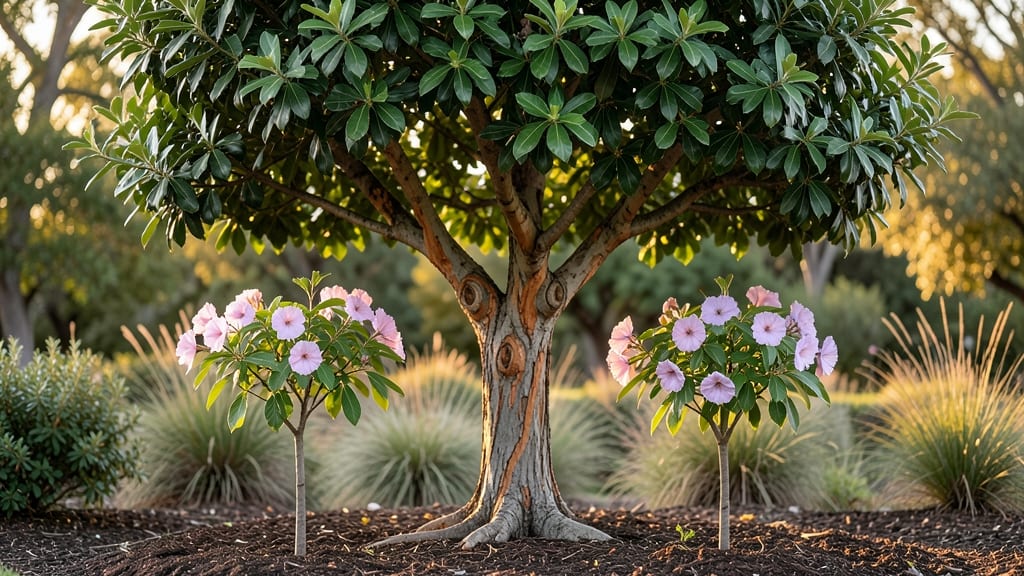
A crepe myrtle tree can grow anywhere from 6 to 30 feet tall, depending on the variety and growing conditions—so choosing the right one for your space is key.
If you’ve ever admired the stunning blooms of a crepe myrtle tree and wondered whether it’s the right fit for your yard, its height might be the first question on your mind—because some varieties can reach 30 feet or more if left unchecked!
Dwarf types stay under 10 feet, making them perfect for small gardens, while standard varieties can tower over 20 feet, needing careful pruning to keep them manageable.
Below, I’ll break down how to control height naturally, from selecting the right cultivar to pruning techniques that keep your crepe myrtle tree at your ideal size.


Crepe myrtle tree height by variety: from dwarf to giant sizes
Choosing the right crepe myrtle variety is all about balancing space constraints with your dream garden aesthetic. Some varieties stay compact at just 6 feet tall, while others can soar to 30 feet or more—making them perfect for large landscapes or privacy screens.
The key is selecting a size that fits your yard while still delivering those showstopping summer blooms.
Before planting, measure your space carefully. A 25-foot crepe myrtle planted too close to your house will quickly become a maintenance nightmare, while a dwarf variety might get lost in a sprawling backyard. Let’s explore the height ranges so you can visualize each option in your garden layout.
The Natchez™ crepe myrtle is my top recommendation for small spaces—it stays under 8 feet tall while still producing 4-inch blooms in shades of white, pink, and purple. For medium-sized yards, the Muscle Hill variety grows quickly to 15–20 feet, making it ideal for creating instant privacy.
If you have ample space, the Southern Star can reach 30 feet and provides year-round interest with its exfoliating bark.
Remember that pruning habits can influence final height—regular pruning can keep even large varieties 10–15 feet shorter than their natural maximum. I’ll cover pruning techniques in the next section, but for now, focus on selecting a variety that matches your yard dimensions and design goals.
A well-chosen crepe myrtle will thrive with minimal fuss while becoming the
How to prune crepe myrtle trees for height control: step-by-step guide
Crepe myrtles are stunning landscape stars, but their height potential (6–30 feet) can overwhelm small spaces if left unmanaged. The key to controlling their growth lies in strategic pruning, especially during dormant winter months.
I’ve learned that improper pruning—like cutting too late in the season—can actually stunt blooms and invite disease, so timing and technique matter more than most gardeners realize.
Pruning isn’t just about hacking back branches—it’s about encouraging healthy structure while preserving those showy summer blooms. Winter is the optimal time because the tree is dormant, making it easier to see the natural shape and avoid accidental damage to next year’s flower buds.
Let’s dive into the step-by-step process that’ll keep your crepe myrtle both bloom-filled and yard-friendly.
Step-by-Step Pruning Guide
- 1 Timing is everything: Prune in late winter (Jan–Feb) before bud break. Avoid pruning in fall or early spring, as this can expose the tree to cold damage and pests.
- 2 Remove dead/diseased wood: Start by cutting out any dead, broken, or diseased branches at the branch collar. Use sterilized pruners to prevent spreading disease.
- 3 Thin out crowded branches: Look for crossing or rubbing branches and remove 1/3 of the oldest stems to improve airflow. This prevents overcrowding and encourages new growth.
- 4 Shape the canopy: Prune to create an open, vase-like shape. Avoid topping the tree (cutting the main stem flat), as this leads to weak, ugly growth and fewer blooms.
- 5 Clean up the mess: Remove all pruned debris from the base of the tree to reduce pest and disease risks. Apply a layer of mulch (2–3 inches) around the base to protect roots.
One common mistake I see is pruning too aggressively in early spring, which can reduce flowering for the season. Crepe myrtles bloom on new wood, so heavy pruning too late can delay or limit blooms.
If you’re aiming for a compact tree (under 10 feet), focus on removing upward-growing branches and promoting lateral growth.
For dwarf varieties, like ‘Arapaho’ or ‘Tonto’, you’ll spend more time shaping than reducing height. These types naturally stay 6–10 feet tall, so light pruning to encourage bushiness works best. Meanwhile, standard varieties (like ‘Natchez’) need annual height control to prevent them from outgrowing their space.
Pro tip: Label your pruners with different colors for summer vs. winter pruning. Summer pruning (after blooming) should be minimal—just removing spent flowers to encourage next year’s blooms.
Winter is when you reshape and reduce for long-term control. With this two-season approach, your crepe myrtle will stay healthy, blooming, and perfectly sized for years to come. 🌳