
Pruning
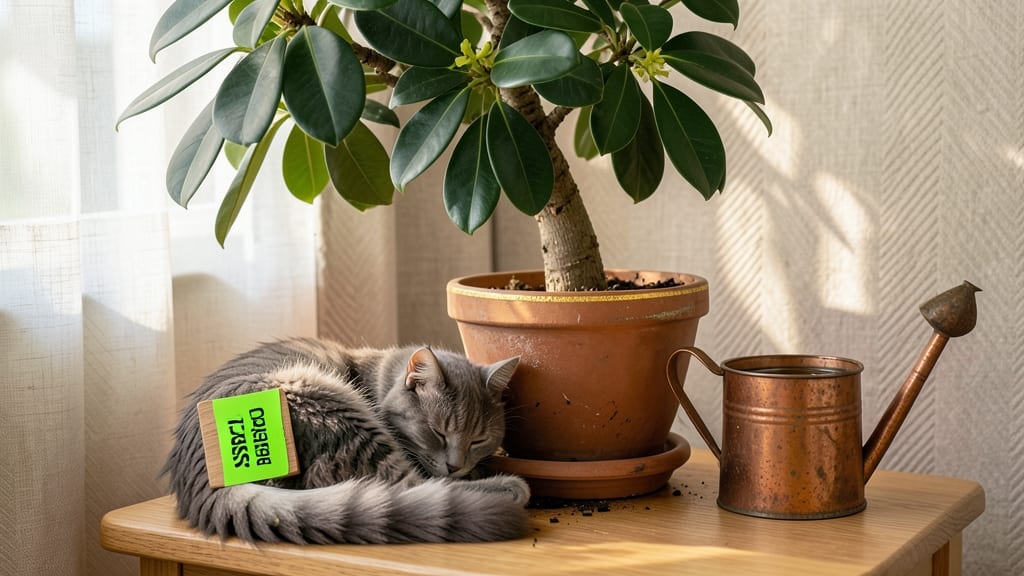
Money trees are not pet-friendly—their sap and leaves contain harmful compounds that can cause vomiting, drooling, or skin irritation in cats and dogs. If you have pets, consider safer options like spider plants or Boston ferns instead.
While money trees add a tropical touch to your home, their saponin-rich sap poses real risks to curious pets. 🐾 Even small amounts can upset a pet's stomach, and chewing leaves might lead to drooling or mouth irritation.
The ASPCA confirms this plant isn't safe for furry family members, so placement matters—keep it out of reach or swap it for pet-approved greenery that's just as stylish.
For pet owners who love the money tree's look, parlor palms or cast iron plants make excellent alternatives. These non-toxic varieties thrive in similar light conditions and offer the same lush foliage without the health risks.
Always double-check with your vet if you suspect your pet has ingested any part of a money tree—early action can make all the difference.
💡 In This Article
- Why Money Trees Are Toxic to Cats and Dogs
- Top 5 Pet-Safe Houseplants Like Money Trees
Why money trees are toxic to cats and dogs
The money tree's toxicity stems from its sap and leaves containing saponins, a group of natural compounds that create soapy lather when mixed with water. These chemicals irritate the digestive tract, causing symptoms like vomiting, diarrhea, and excessive drooling in pets.
Cats and dogs react differently—dogs often experience more severe stomach upset, while cats may show signs of lethargy or loss of appetite due to their smaller size and slower metabolism.
When a pet chews on money tree leaves, the sharp edges can also cause oral irritation, leading to drooling and pawing at the mouth. The saponins work by disrupting cell membranes, which is why even small amounts can trigger reactions.
For example, a 10-pound dog might show symptoms after ingesting just one leaf, while a 5-pound cat could react to even smaller quantities. The ASPCA confirms these effects are consistent across both species.
Skin contact isn't harmless either—some pets develop mild allergic reactions like redness or swelling after brushing against the plant. The sap's sticky texture makes it cling to fur, increasing exposure. If your pet has sensitive skin, this can lead to itching or secondary infections from scratching.
The key takeaway: money trees aren't just a stomach hazard; they pose risks through multiple points of contact.
What makes this especially concerning is how quickly symptoms can appear. Within 6-12 hours of ingestion, pets may show signs of distress, and the effects can last up to 48 hours. This rapid onset means pet owners need to act fast if they suspect their animal has been exposed.
Veterinary intervention may be required to manage dehydration or severe reactions, making prevention the safest approach.
Interestingly, money trees aren't toxic to all animals. Birds and reptiles typically tolerate them better, but their small size means even tiny amounts can be dangerous. The plant's toxicity varies by part—young leaves contain higher concentrations of saponins than mature ones, so pruning regularly can reduce risk.
However, this doesn't eliminate the danger entirely, as the sap remains hazardous throughout the plant's lifecycle.
The good news is that money trees aren't considered highly toxic like lilies or sago palms, which can be fatal. Still, their effects are unpleasant enough to warrant caution.
If you love the money tree's appearance but have pets, consider placing it in a room they don't access or opting for safer alternatives that offer similar aesthetic appeal without the health risks.