
Trees
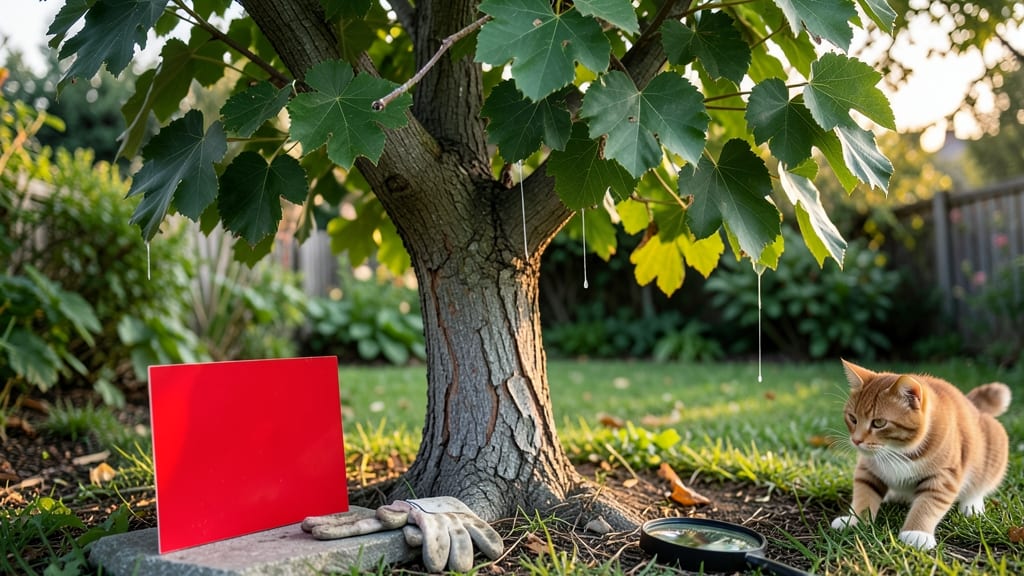
Mulberry tree leaves are poisonous when ingested in large quantities, containing cyanogenic glycosides that release cyanide, which can cause nausea, vomiting, or even respiratory distress in severe cases. Pets and livestock are especially at risk if they consume fallen leaves or unripe fruit.
Understanding mulberry leaf toxicity starts with recognizing that the danger lies in their chemical makeup. 🌿 These leaves contain compounds called cyanogenic glycosides, which break down into cyanide when chewed or digested.
The risk varies by leaf maturity—young, tender leaves pack more of these toxins than older ones, making them particularly hazardous to curious pets or livestock that might snack on fresh growth.
Even small amounts can trigger symptoms like dizziness or weakness, while larger ingestions may lead to more serious health complications.
What makes this especially concerning is how easily these leaves become accessible. Fallen mulberry leaves often accumulate under trees, creating tempting snacks for animals or even children exploring outdoors. The good news?
With proper precautions—like regularly clearing fallen leaves and securing pets—you can significantly reduce exposure risks. Always double-check before composting or repurposing mulberry leaves, as even dried leaves retain some toxicity.
💡 In This Article
- Toxicity in Mulberry Tree Leaves: Chemical Composition and Risks
- Safe Gardening Practices Around Mulberry Trees
Toxicity in mulberry tree leaves: chemical composition and risks
Mulberry leaves contain cyanogenic glycosides like amygdalin and prunasin, which act as natural defense mechanisms against herbivores. When ingested, these compounds break down into hydrogen cyanide (HCN) through enzymatic action in the digestive system.
The process begins when the leaf's cellular structure is damaged—whether by chewing or crushing—which releases the enzyme beta-glucosidase that converts the glycosides into cyanide. Young leaves typically contain 2-5 times more of these compounds than mature leaves, making them significantly more dangerous.
The severity of symptoms depends on both the amount consumed and the individual's size. For example, a 10-pound dog might experience mild symptoms after eating 0.5 ounces of fresh mulberry leaves, while a 150-pound adult could tolerate up to 2 ounces before showing signs of toxicity.
Early symptoms include headache, dizziness, and rapid breathing, progressing to nausea, vomiting, and confusion in more severe cases. The cyanide interferes with cellular oxygen utilization, which can lead to respiratory distress if untreated.
What makes this particularly concerning is the delayed onset of symptoms—sometimes taking 30 minutes to 2 hours to appear. This delay can be deadly if medical help isn't sought promptly. Pets and livestock are especially vulnerable because they often graze on fallen leaves without understanding the risks.
Even dried mulberry leaves retain some toxicity, though at reduced levels, so they shouldn't be used as animal bedding or composted in large quantities without proper precautions.
Interestingly, the toxicity varies by mulberry species. White mulberry (Morus alba) contains higher levels of cyanogenic glycosides than red mulberry (Morus rubra), which is why white mulberry leaves are considered more dangerous.
The ripeness of the fruit also plays a role—unripe mulberries contain more toxins than fully ripe ones, making them another hazard for curious animals. The bitter taste of young leaves is nature's warning sign, but some animals (like goats) may still ingest them due to hunger or curiosity.
To put this into perspective, the lethal dose of cyanide for humans is approximately 0.5-3.5 milligrams per kilogram of body weight. A single mulberry leaf might contain 0.1-0.5 milligrams of cyanide, meaning a child could reach dangerous levels by consuming just a handful.
This is why immediate medical attention is critical if ingestion occurs. 💥
Understanding these chemical processes helps explain why mulberry leaves should never be fed to animals or consumed by humans—even in small amounts. The key takeaway is that while mulberry trees are beautiful and productive, their leaves carry real risks that require careful management in any environment where they grow.