
Pruning
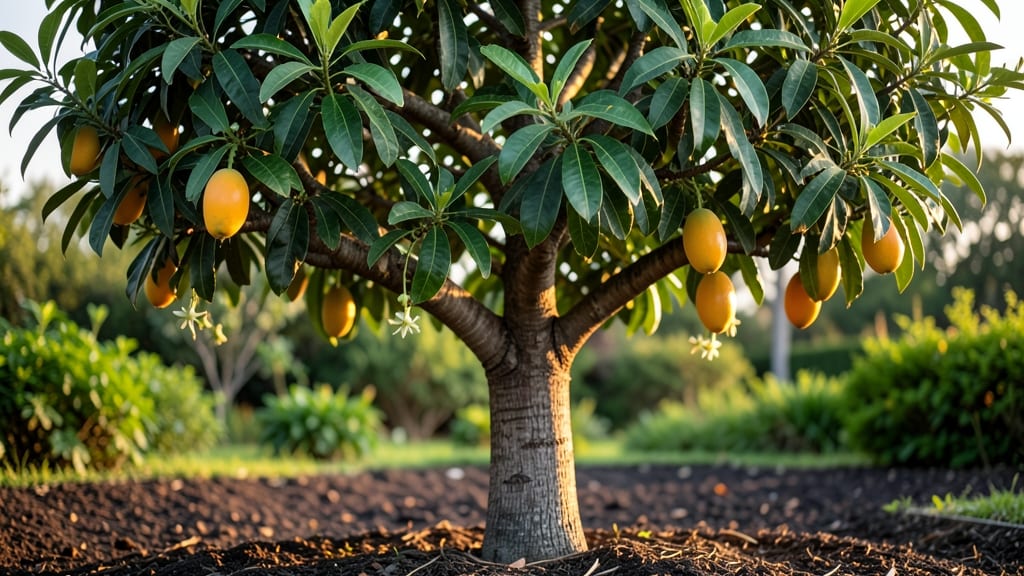
Growing a mango tree in Cali means your backyard could soon smell like tropical sunshine. 🌱 The key to year-round fruit isn't just about planting—it's mastering the climate-zoned pruning schedule that keeps your tree productive through our wild swings from coastal fog to inland heat.
I've learned the hard way that skipping this step means fewer fruits and more stress for your tree.
California's diverse microclimates demand different approaches: coastal areas need lighter pruning to protect against chill winds, while inland zones can handle heavier trims to prevent heat stress. The right cuts encourage airflow, which is critical for preventing fungal diseases that thrive in our damp summers.
Start with basic tools—a sharp bypass pruner, rubbing alcohol for sterilizing cuts, and a ladder if your tree's over 10 feet tall.
You'll see the difference within a season: branches grow stronger, fruit sets more reliably, and your tree becomes the centerpiece of your outdoor space. The first pruning in early spring removes dead wood and shapes the canopy, while summer trims focus on opening up the center for sunlight.
Even urban gardeners can make this work with container-grown trees on patios.
Fair warning: mango trees are patient but persistent. It takes 3-5 years for a newly planted tree to bear significant fruit, but once established, they reward you with harvests that last from summer through fall.
The secret is consistency—stick to the seasonal schedule, and your tree will thrive in any California corner, from San Diego to the Central Valley.
📚 In This Guide
- What you need
- Instructions
- Tips and common mistakes
- Wrapping up and next steps
What you need
- ● Pruning shears – Bypass pruners (sharp, 6-8 inch blades) for clean cuts on small branches.
- ● Pruning saw – For thicker branches (1-2 inches in diameter). Look for a bow saw or folding pruning saw.
- ● Gloves – Heavy-duty, gardening gloves (cut-resistant for thorns and sap).
- ● Disinfectant – 70% isopropyl alcohol or bleach solution (1 part bleach to 9 parts water) to sterilize tools between cuts.
- ○ Sealing wax or pruning paste – Optional but recommended for larger cuts to prevent disease.
- ● Ladder or step stool – If your tree is over 6-8 feet tall (safety first!).
- ● Bucket or tarp – To collect pruned branches and debris.
- ● Sharpie or marker – For marking branches to remove (if planning ahead).
- ● Know your tree’s age – Young trees (light pruning (focus on shaping), while mature trees benefit from structural trimming.
- ● Check the weather – Prune on a dry, overcast day (avoid extreme heat or rain within 24 hours).
- ● Gather safety gear – Eye protection (goggles) and long sleeves/pants to avoid sap burns or thorns.
- ● Study your tree’s growth – Identify dead, crossing, or overcrowded branches before you start.
- ● 🌡️ Timing matters: In Southern California’s dry climate, prune late winter to early spring (Feb-March) to avoid stressing the tree before summer heat.
- ● ✨ Watering prep: Give your tree a deep watering 2-3 days before pruning to reduce shock.
- ● 🎯 Tool sharpness: Dull blades tear bark—always sharpen shears before starting!
Step-by-step instructions for pruning your California mango tree
California’s Mediterranean climate means your mango tree needs a tailored pruning rhythm—here’s how to time cuts for maximum fruit production and tree health.
🌿 Step 1: Identify the Right Season for Major Pruning
California’s dry winters and mild springs create the perfect window for heavy pruning: late February through early March, just as new growth begins. This timing avoids frost damage while capitalizing on the tree’s natural flush of energy after winter dormancy. Look for the first signs of bud swell—those plump, greenish bumps along the branches are your cue.
Never prune during summer’s peak heat or winter’s cold snaps. In Southern California’s Zone 10b, where frosts are rare, you can extend this window slightly into April. The goal is to remove dead wood and shape the tree before the spring growth surge begins—this ensures new branches form where you want them.
✂️ Step 2: Remove Dead, Diseased, and Crossing Branches
Start with sanitation: cut out any branches that are dead, diseased, or showing signs of fungal infection (black spots, oozing sap, or unusual dieback). Use clean, sharp pruners—dull blades tear wood, inviting infections. Make cuts just outside the branch collar, the swollen area where the branch meets the trunk. This prevents unsightly stubs and promotes faster healing.
Next, remove branches that cross or rub against each other. These create wounds where pests and diseases can enter. If two branches grow parallel, remove the weaker one—look for thinner diameter or less vigorous growth. I always step back after this step to visualize the tree’s structure. You’re sculpting, not just hacking.
☀️ Step 3: Thin the Canopy for Light Penetration
Mango trees need 6-8 hours of direct sunlight daily, but dense canopies block light from reaching the interior. Focus on thinning branches to open the center of the tree, aiming for an open vase shape. Remove branches that grow inward or downward—these create shade and trap humidity, inviting fungal issues. Prioritize branches that are thicker than a pencil for major cuts.
Leave 3-4 main scaffold branches evenly spaced around the trunk. These should emerge from different heights to create a balanced structure. If you’re unsure which to keep, choose branches that form a 45-degree angle from the trunk—these are strongest and least likely to break under fruit weight.
⏰ Step 4: Light Pruning for Fruit Production (Spring and Summer)
After the major winter prune, shift to light maintenance cuts to encourage flowering and fruiting. In late spring (May-June), remove any suckers—those vigorous shoots sprouting from the trunk or roots. These divert energy from fruit production. Also, trim back any overly vigorous growth that’s shading lower branches.
During summer (July-August), focus on fruit-bearing branches. If a branch is laden with fruit but growing weakly, prune back by one-third to reduce the load. Never remove more than 25% of the canopy in any single pruning session—this stresses the tree. Watch for new growth flushes after each cut; these indicate the tree is responding well.
🪴 Step 5: Winter Maintenance (Minimal Cuts Only)
California’s mild winters still require a light touch. In December-January, limit pruning to removing only dead or broken branches. Avoid heavy cuts—your tree is entering a slower growth phase. Focus on cleaning up any debris around the base, which can harbor pests and diseases. This is also the time to sterilize your tools with rubbing alcohol to prevent spreading pathogens.
If your tree is young (under 5 years), you can lightly shape it in winter, but older trees need minimal intervention. The key is observation: if you see branches growing in awkward directions, mark them with flagging tape now and address them in the next major pruning cycle. Patience pays off—mango trees reward careful, timed pruning with years of abundant fruit.
Tips & tricks for perfect mango tree pruning in California
Mastering your mango tree's pruning schedule means understanding both the science and the art—here's how to elevate your approach beyond the basics.
Seasonal Timing Precision: The late February through early March window is non-negotiable for major pruning, but don't just follow the calendar—watch for those telltale bud swells. In Southern California's Zone 10b, you can extend slightly into April, but only if your tree shows no signs of frost sensitivity. I've seen trees in inland valleys handle April pruning beautifully, while coastal trees in Zone 9b need to stay closer to the February-March window. The key is matching your timing to your microclimate's last frost date, not just the general zone guidelines.
Tool Preparation Strategy: Sterilizing your pruners isn't just about disease prevention—it's about giving your tree the cleanest possible cuts. I keep a small bottle of rubbing alcohol in my tool pouch and wipe down blades before each cut, especially when working with diseased branches. For larger cuts, I use a sharp bypass pruner for clean cuts through branches thicker than a pencil, then switch to a clean pair of hand pruners for finer work. Never reuse the same blade on healthy and diseased wood without sterilizing between cuts—this simple habit prevents years of fungal spread.
Canopy Architecture Insight: When aiming for that open vase shape in Step 3, think about your tree's future fruit load. The 6-8 hours of sunlight requirement translates directly to branch spacing—aim for about 12-18 inches between scaffold branches at their widest points. I visualize the tree's mature form by imagining how fruit will hang: branches should spread outward and slightly upward, not inward where they'll block sunlight. For young trees, this means being more aggressive with inward-growing branches now to avoid major corrective pruning later.
Growth Monitoring Technique: Those new growth flushes after pruning are your tree's way of communicating. After your major winter prune, watch for the first flush of growth in late spring—this tells you the tree is responding well. If you see weak, spindly growth after pruning, you may have removed too much canopy. The rule of thumb is to never remove more than 25% of the canopy in any single session, but with mango trees, I often aim for 15-20% to maintain vigor. Mark branches you're unsure about with flagging tape and reassess next year.
Pro Tips for Mango Tree Cali
- Mastering your mango tree's pruning schedule means understanding both the science and the art—here's how to elevate your approach beyond the basics.
- Seasonal Timing Precision: The late February through early March window is non-negotiable for major pruning, but don't just follow the calendar—watch for those telltale bud swells.
- Tool Preparation Strategy: Sterilizing your pruners isn't just about disease prevention—it's about giving your tree the cleanest possible cuts.
Frequently asked questions
Got questions about keeping your Mango Tree Cali thriving in California’s unique climate? Here are some of the most common ones—and their answers!
When is the best time to prune my Mango Tree Cali?
The ideal time to prune is late winter to early spring (January–March) before new growth begins. For light shaping or pest control, you can prune year-round—but avoid heavy cuts during summer heat or winter frosts. Pro tip: Prune after flowering to encourage fruit production!
How much should I trim off my Mango Tree Cali?
Remove 1/3 of the canopy max to avoid stress. Focus on:
- Dead, diseased, or crossing branches
- Suckers (shoots at the base)
- Overcrowded growth blocking sunlight
Can I prune my Mango Tree Cali in summer?
Yes, but lightly! Summer pruning (June–August) should only include:
- Removing water sprouts (fast-growing, weak branches)
- Thinning out dense foliage to improve airflow
What tools do I need for pruning?
Grab these essentials:
- Bypass pruners (for small branches, <1-inch thick)
- Loppers (1.5–2.5-inch cuts)
- Pruning saw (for thick branches, 3+ inches)
- Disinfectant (rubbing alcohol or bleach solution)
- Gloves (thorn-proof if needed!)
My Mango Tree Cali isn’t fruiting after pruning—what’s wrong?
Common culprits:
- Over-pruning (too many cuts reduce flowering sites)
- Wrong timing (pruned right before flowering season)
- Nutrient deficiency (add compost or citrus-specific fertilizer)
- Pests/disease (check for aphids, mites, or fungal spots)
Wrapping up and next steps
Growing a thriving mango tree in Cali’s unique climate is totally within reach—with the right pruning rhythm and care! 🌿 By following this climate-zoned trimming schedule, you’ll encourage lush foliage, bountiful fruit, and a tree that stands strong against pests and weather.
Remember: consistency is key, but so is patience—your efforts will pay off with sweet, homegrown mangoes year after year.
Ready to take the next step? Start small:
- 📅 Mark your calendar for the next pruning window (check your zone!).
- 🛠️ Gather your tools—you’ve got everything you need!
- 🌱 Observe your tree and adjust as it grows; every mango tree has its own personality!