
Pruning
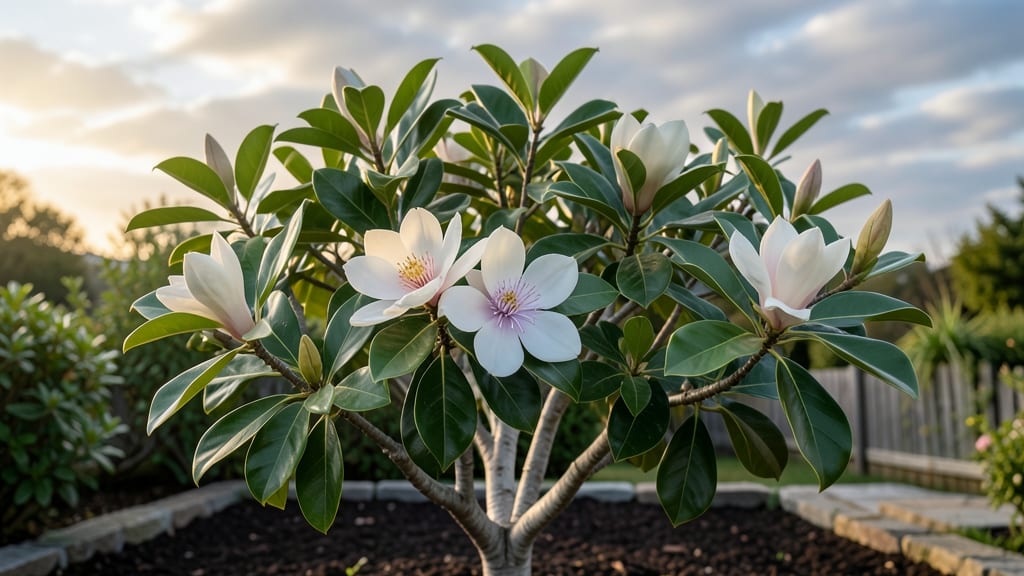
Your magnolia tree shrub could be the star of your garden—if you prune it right. ✂️ I’ve spent years shaping mine, and the difference between a wild, leggy mess and a showstopping, blooming beauty comes down to timing, technique, and a few key cuts.
The secret isn’t cutting more; it’s cutting smart—and I’m sharing exactly how to do it without sacrificing next year’s flowers.
Most gardeners make one big mistake: pruning after the blooms fade. That’s when magnolias set buds for next season, and aggressive cuts mean fewer flowers. Instead, focus on light shaping in late winter (before buds swell) and minimal cleanup after blooming.
Use sharp bypass pruners—dull blades tear bark, inviting disease—and always cut just above a bud, angled slightly downward to shed water.
For shrub varieties like ‘Little Gem’ or ‘Annabel,’ you’ll keep them compact with annual light pruning; for tree forms like ‘Southern Magnolia,’ the goal is opening the canopy to sunlight and air.
By summer, your magnolia will reward you with glossy, disease-free foliage and a structure that lets every bloom shine. The right cuts also prevent those sad, bare branches that make trees look old before their time. Even better?
Pruned magnolias resist storm damage better and produce larger, more abundant flowers over time. Think of it as a spa day for your plant—less stress, more beauty. Ready to transform your magnolia from “meh” to “wow”? Let’s get to the tools and steps.
This works for all magnolia types, from dwarf varieties in containers to towering specimen trees. Just adjust the intensity: small shrubs need 10-15% annual pruning; mature trees might only need 5% per year.
And if you’re in a hot, dry climate, prune earlier in the season to avoid summer stress. The key is consistency—no drastic changes, just steady care. Your magnolia will thank you with years of effortless elegance.
📚 In This Guide
- What you need
- Instructions
- Tips and common mistakes
- Wrapping up and next steps
What you need
- ● Pruning shears: Bypass pruners (for small branches, ¼”–½” thick) – 1 pair (sharp & clean!).
- ● Loppers: For medium branches (½”–2” thick) – 1 pair (long handles for reach!).
- ● Pruning saw: For thick branches (>2” thick) – 1 saw (bow or pruning saw).
- ● Gloves: Heavy-duty work gloves (cut-resistant) – 1 pair (protects from thorns & sap!).
- ● Disinfectant: 70% isopropyl alcohol or bleach solution (1 part bleach to 9 parts water) – small spray bottle or cloth.
- ○ Pruning sealant: Optional (for large cuts >½”) – 1 small tube (helps prevent disease).
- ● Ladder: Extendable or sturdy step ladder – 1 (if branches are >6 ft high).
- ● Trash bags: Heavy-duty for debris – 2–3 bags (keep your workspace tidy!).
- ● Timing: Prune after flowering (late spring/early summer) for most magnolias—never in fall/winter!
- ● Weather: Choose a dry, overcast day (avoid pruning when wet or freezing).
- ● Safety: Wear eye protection (goggles) if working near dense foliage.
- ● Research your variety: Some magnolias (like Magnolia grandiflora) bloom on old wood—prune minimally!
Step-by-step guide to pruning your magnolia tree shrub
Here’s how I keep my magnolias thriving—with cleaner growth and stunning blooms every season.
✂️ Step 1: Prune Immediately After Flowering
Magnolias bloom on old wood, so the best time to prune is right after flowering—typically in late spring or early summer. This ensures you don’t accidentally remove next year’s buds. I always wait until the flowers have fully faded and dropped, usually 4-6 weeks after blooming. Use clean, sharp pruning shears to make cuts at a 45-degree angle, just above a outward-facing bud or branch collar. This prevents water from pooling and protects the plant from disease.
Focus on removing dead, diseased, or crossing branches first. These are easy to spot—they’ll be brown, brittle, or growing toward the center of the shrub. If a branch is larger than ½ inch in diameter, use a pruning saw instead of shears. I like to step back after each cut to check the shape—this helps me see where the shrub’s natural form is best preserved.
✂️ Step 2: Thin Out Overcrowded Branches
Magnolias grow best with good airflow, so thinning is key. Look for branches that are rubbing against each other or growing inward toward the center. These compete for sunlight and nutrients, weakening the plant. To thin, remove entire branches back to their origin point—never leave stubs. This encourages stronger growth from the base.
I aim to open up the shrub’s center by 20-30% to improve light penetration. You’ll notice healthier foliage and more vibrant blooms the following year. If a branch is too thick to cut cleanly, make the cut in stages over a few years to avoid stressing the plant. Always prune in dry, sunny conditions—wet wood splinters and invites fungal infections.
✂️ Step 3: Shape and Maintain Year-Round
Light shaping pruning can be done year-round, but avoid heavy cuts in late summer or fall. Focus on refining the shrub’s natural form—magnolias have beautiful, rounded shapes, so I avoid harsh geometric cuts. Use hand pruners to trim back any branches that are growing too long or out of balance. Cut just above a leaf node or bud to encourage new growth in the right direction.
For larger shrubs, I prune in stages over 2-3 years to avoid shocking the plant. After each cut, wipe your shears with rubbing alcohol to prevent the spread of disease. Water the base of the shrub deeply after pruning to help it recover. You’ll see fresh, green growth within 4-6 weeks, signaling the plant is healing well.
✂️ Step 4: Clean Up and Prevent Disease
After pruning, remove all debris—clippings, leaves, and fallen petals—from the area around the shrub. This prevents pests and diseases from taking hold. I like to sterilize my tools with a 10% bleach solution (1 part bleach to 9 parts water) before and after pruning to keep everything clean.
If you notice black spots, mold, or sticky residue on the leaves or branches, prune those areas immediately and dispose of them in the trash—not the compost. Healthy magnolias have glossy, dark green leaves and no signs of wilting or discoloration. If you see yellowing leaves, it might be a sign of overwatering or nutrient deficiency—adjust your care routine accordingly.
Tips & tricks for pruning your magnolia shrub
Took me years of trial and error to perfect these pruning strategies—here's what actually makes a difference in your magnolia's health.
Timing is Everything: The 4-6 weeks after flowering is your golden window. I learned this the hard way after accidentally pruning too early and losing next year's blooms. Mark your calendar based on when your magnolias finish flowering—this timing ensures you never cut off potential buds. For late-blooming varieties, wait until you see the flowers completely drop before pruning.
Cutting Technique Matters: That 45-degree angle isn't just for looks—it's crucial for proper healing. When you make cuts just above an outward-facing bud or branch collar, you're directing growth in the right direction. I always test my angle first on a scrap piece of wood to make sure I'm getting that perfect slant before making my first cut on the magnolia.
Thinning Strategy: The 20-30% opening you create in Step 2 might seem dramatic, but trust me—this airflow transformation makes all the difference. I start by removing the most obvious crossing branches, then work my way inward. The key is to visualize how light will penetrate differently after each cut. If you're unsure, take before-and-after photos to track your progress.
Disease Prevention: That 10% bleach solution isn't just a suggestion—it's my secret weapon against fungal infections. I sterilize my tools before AND after pruning, and I always clean up all debris immediately. One summer, I skipped this step and ended up with a magnolia that looked like it had been attacked by black spot fungus. Don't make my mistake!
Pro Tips for Magnolia Tree Shrub
- Took me years of trial and error to perfect these pruning strategies—here's what actually makes a difference in your ...
- Timing is Everything: The 4-6 weeks after flowering is your golden window. I learned this the hard way after accident...
- Cutting Technique Matters: That 45-degree angle isn't just for looks—it's crucial for proper healing. When you make c...
Frequently asked questions
When is the best time to prune a magnolia tree shrub?
The ideal time to prune depends on your magnolia type. For spring-blooming varieties (like Magnolia grandiflora), prune right after flowering (late spring/early summer) to avoid cutting off next year’s buds. For summer-blooming types (like Magnolia stellata), prune in late winter or early spring before buds swell. Always avoid heavy pruning in fall or winter, as it can stress the plant.
Can I prune a magnolia tree shrub in winter?
Light pruning (removing dead or crossing branches) is fine in mild winters, but avoid heavy cuts. Cold snaps can stress the plant, and winter pruning may not allow enough time for new growth before spring. If you must prune in winter, do it on warmer days (above 40°F) and keep cuts small. Wait for spring for major shaping!
What if I accidentally prune off next year’s flower buds?
Don’t panic! Magnolias are resilient. If you’ve pruned too aggressively, your plant may skip blooming that season, but it’ll recover. Focus on removing only dead, diseased, or overcrowded branches in future pruning sessions. Over time, your magnolia will rebound with even more vibrant blooms—just give it patience and proper care.
Are there any tools I should avoid using on magnolia shrubs?
Yes! Avoid dull or rusty tools, as they can tear bark and introduce disease. Skip hedge trimmers for precise cuts—they can create jagged edges that heal poorly. Instead, use sharp bypass pruners for small branches and a pruning saw for thicker stems. Always sterilize tools with rubbing alcohol between cuts to prevent bacterial spread.
What’s the difference between pruning a tree-form magnolia vs. a shrub-form?
Tree-form magnolias (like Magnolia soulangeana) need selective pruning to maintain their central leader and open canopy. Focus on removing suckers at the base and thinning out crowded branches. Shrub-form magnolias (like Magnolia ‘Black Tulip’) are more flexible—you can shear lightly for shape or prune to encourage bushier growth. Both types benefit from removing dead wood first!
Pro Tip:
If your magnolia isn’t blooming as much as you’d like, it might be overpruned in the past. Next time, prune less and focus on removing only 10-20% of the plant’s foliage per year. Healthy magnolias reward patience with show-stopping flowers for decades!
Wrapping up and next steps
Mastering the art of pruning your magnolia tree shrub is all about patience, precision, and a little love for nature’s beauty! 🌿 With the right tools, timing, and techniques, you’ll keep your magnolia thriving year after year—whether it’s shaping its graceful branches or encouraging lush blooms.
Remember, every snip is a step toward a healthier, more vibrant plant.
Ready to take the next step? Start small—try one pruning session this season and observe how your magnolia responds. Over time, you’ll build confidence and turn pruning into a rewarding ritual. Happy gardening! 🌸