
Light Requirements
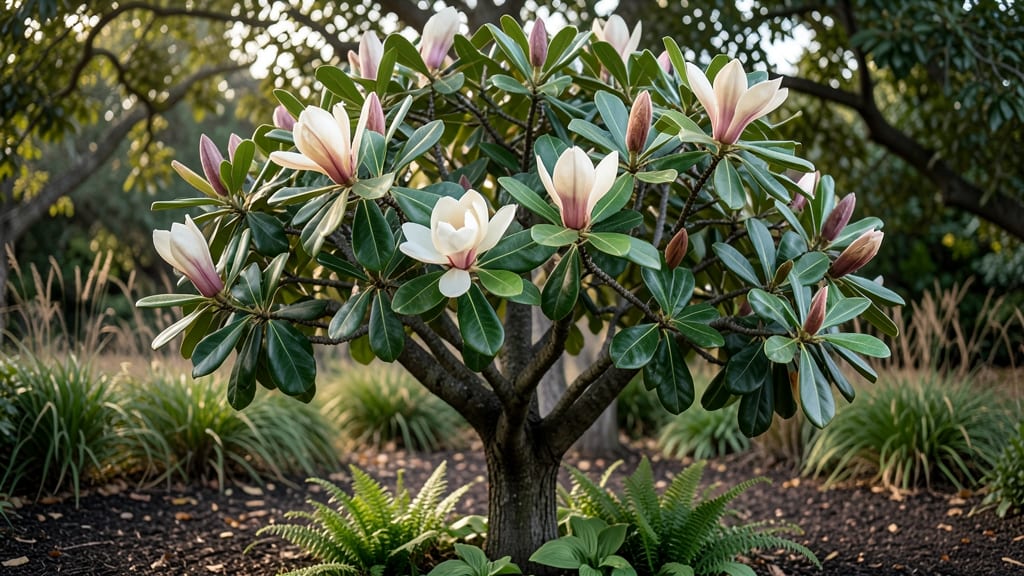
Growing a magnolia tree in full sun isn’t just possible—it’s where these stately beauties shine brightest, their glossy leaves and fragrant blooms reaching their full potential. 🌟 I’ve watched my Southern magnolia stand tall in the afternoon glare, its velvety buds unfurling into 8-inch-wide blooms that outshine anything in the shade garden.
The secret lies in choosing the right species, preparing the soil, and making a few strategic pruning cuts that prevent sunburn while encouraging that iconic, lush growth.
Not all magnolias handle full sun equally—Southern, Little Gem, and Saucer magnolias are the standouts, their thick leaves and deep roots helping them withstand intense light.
Start with well-draining, slightly acidic soil (think 6.0–6.5 pH) mixed with compost, and plant in early spring when roots can establish before summer’s heat. Mulch heavily to retain moisture and protect shallow roots, because even sun-loving magnolias hate drought stress.
Water deeply twice a week in the first year, then taper to once a week once established—unless your summer hits 90°F+, then increase to every 3–4 days.
Here’s where most gardeners trip up: pruning. Never cut back more than 25% of the canopy, and always remove dead or crossing branches in late winter. The goal is to open the center for airflow while preserving the tree’s natural vase shape—this prevents sunburn on tender new growth.
With the right cuts, your magnolia will reward you with bold, glossy foliage and blooms so heavy they bend branches, even in the hottest spots. The scent alone—like a mix of gardenia and citrus—makes it worth every effort.
Heat stress shows up as crispy leaf edges or wilting, so provide afternoon shade with a temporary shade cloth if your summers are brutal. And watch for scale insects, which love stressed trees—neem oil sprays work wonders.
With these adjustments, your magnolia will thrive in full sun, becoming the centerpiece of your landscape for decades. The key is patience: these trees grow slowly, but their rewards are legendary.
📚 In This Guide
- What you need
- Instructions
- Tips and common mistakes
- Wrapping up and next steps
What you need
- ● Magnolia tree: Choose a full-sun-tolerant variety like Magnolia grandiflora (Southern Magnolia) or Magnolia stellata (Star Magnolia). Ensure it’s container-grown (3–5 gallons) or bare-root (1–3 years old) for best results.
- ● High-quality potting mix: 10–15 gallons of a well-draining blend (e.g., 60% peat moss, 30% perlite, 10% compost). For in-ground planting, use native soil amended with compost (50/50 mix).
- ● Organic mulch: 2–3 inches of pine bark fines, cedar chips, or shredded leaves to retain moisture and regulate soil temp.
- ● Slow-release fertilizer: 1 lb of 10-10-10 or balanced organic fertilizer (e.g., fish emulsion or bone meal) for planting.
- ● Garden gloves (heavy-duty, nitrile-coated for prickly branches).
- ● Shovel or trowel: 1 heavy-duty shovel (for in-ground) or 2 trowels (for containers).
- ● Pruning shears: 1 pair of bypass pruners (for clean cuts) + 1 pair loppers (for thicker branches). Sterilize with rubbing alcohol between cuts!
- ● Hand saw: 1 pruning saw (for branches >1 inch thick).
- ● Watering can or hose: 5-gallon capacity with a gentle spray nozzle.
- ● Measuring tape (for spacing and branch length).
- ○ Stakes & twine (optional, for young trees needing support).
- ● Root stimulator: Mycorrhizal fungi or seaweed extract to boost root growth.
- ● Tree collar protector: 1–2 plastic guards to shield the trunk from mulch or mower damage.
- ● Drip irrigation kit (for automated watering in full-sun climates).
- ● Sun protection (hat, sunscreen, and hydration pack)—because even you need shade while working!
Step-by-Step guide to pruning magnolias in full sun
Here's how I keep my magnolias thriving in bright light with clean, strategic cuts.
✂️ Step 1: Time Your Pruning for Peak Health
Prune your magnolia immediately after flowering in late spring—this gives the tree time to set next year's blooms before winter dormancy. Never prune in fall or winter, as this removes next year's flower buds. I wait until all blooms have dropped completely before making any cuts.
Choose a dry, overcast day for pruning to reduce stress on the tree. If you must prune in full sun, do it early morning when temperatures are cooler. You'll notice fresh, vibrant new growth appearing within weeks of proper pruning.
🌿 Step 2: Identify and Remove Dead or Weak Wood
Start by examining your magnolia for any branches that are dead (no leaves, dry bark), diseased (mushrooms at base, oozing sap), or crossing (rubbing against other branches). I use sharp, clean pruning shears to make 45-degree cuts just above a healthy bud or lateral branch.
Remove any branches growing straight upward from the trunk—these compete with the main canopy. Thin out crowded areas to improve air circulation, which prevents fungal diseases. You'll see the tree's structure open up and sunlight penetrate more evenly to the lower branches.
☀️ Step 3: Shape for Sun Exposure and Flower Display
Step back and visualize how sunlight moves across your magnolia throughout the day. In full sun locations, aim to create an open, vase-like shape that allows light to reach all branches. Cut back any overly dense growth in the center while preserving the natural silhouette.
Never remove more than 25% of the tree's canopy in one season—magnolias are sensitive to heavy pruning. Focus on opening up the center while maintaining the tree's natural form. You'll see improved flowering and healthier foliage within a growing season.
⏰ Step 4: Clean and Monitor After Pruning
Sterilize your pruning tools with rubbing alcohol between cuts to prevent spreading disease. Collect and dispose of all pruned material immediately—never leave it under the tree, as it can harbor pests and fungi. I like to compost the healthy-looking wood separately.
Water the tree deeply after pruning to help it recover. Monitor the pruning wounds for 4-6 weeks—they should seal over with calloused tissue. If you see oozing sap or fungal growth, apply a fungicide labeled for ornamental trees.
Tips & tricks for perfect magnolia pruning in full sun
Here's what nobody tells you about keeping your magnolia thriving in bright light—these tricks make all the difference for long-term health.
Timing is Everything: The late spring timing in Step 1 is non-negotiable for magnolias. After those blooms drop completely, wait another 7-10 days before pruning—this ensures all flower buds for next year have formed. I've seen gardeners rush this step and end up with sparse blooms the following spring. The tree's energy needs to focus on new growth, not recovering from winter stress.
The 45-Degree Cut Secret: When making those 45-degree cuts in Step 2, position your pruners so the cut slopes away from the branch collar (that swollen area where the branch meets the trunk). This prevents water from pooling and rotting the wound. I like to practice on smaller branches first to get the angle just right—it's easier than it looks, and makes a huge difference in how clean the cut heals.
Sunlight Strategy: In full sun locations, pay special attention to Step 3's vase-like shape. Magnolias in bright light need even more airflow than shade trees. When shaping, look for branches that cast shadows on other branches—these are your targets for thinning. I often use a flashlight to simulate sunlight patterns and see where I need to make cuts for better light penetration.
Post-Pruning Recovery: That 4-6 week monitoring period in Step 4 is crucial, especially in full sun. Magnolias in bright light lose more moisture through their leaves, so water deeply every 7-10 days during the growing season. I've found that adding a 2-inch layer of mulch around the base (but not touching the trunk) helps retain moisture and keeps roots cool—this makes a noticeable difference in how quickly the tree recovers from pruning.
Pro Tips for Magnolia Tree Full Sun
- Here's what nobody tells you about keeping your magnolia thriving in bright light—these tricks make all the difference for long-term health.
- Timing is Everything: The late spring timing in Step 1 is non-negotiable for magnolias.
- The 45-Degree Cut Secret: When making those 45-degree cuts in Step 2, position your pruners so the cut slopes away from the branch collar (that swollen area where the branch meets the trunk).
Frequently asked questions
Can magnolia trees survive in full sun all day?
Most magnolia varieties can handle full sun, but they prefer morning sun + afternoon shade in hot climates (Zones 7-9). Southern magnolias (Magnolia grandiflora) are the toughest, while tender types (like saucer magnolias) may need afternoon relief. Watch for leaf scorch—if edges crisp, provide light shade during peak heat.
How long does it take for a magnolia to bloom in full sun?
Patience is key! Mature magnolias (5–10 years old) bloom best, but young trees may take 3–5 years in full sun. Star magnolias (Magnolia stellata) often flower earlier (2–4 years), while grandifloras can wait up to a decade. Ensure well-draining soil and consistent watering to speed things up.
When’s the best time to prune a magnolia in full sun?
Prune immediately after blooming (late spring) to avoid removing next year’s flower buds. Never prune in fall or winter—it stresses the tree. For full-sun magnolias, focus on thinning dense branches to improve airflow (reduces disease risk) and shape. Use sterilized tools to prevent bacterial infections.
Why are my magnolia leaves turning yellow in full sun?
Yellow leaves often signal overwatering, poor drainage, or nutrient deficiencies. Check soil moisture—magnolias hate soggy roots. If leaves are yellow with brown edges, it’s likely sunburn (too much direct heat). Amend soil with organic matter and mulch to retain moisture. A slow-release fertilizer in early spring can help.
Are there full-sun alternatives to traditional magnolias?
If magnolias seem high-maintenance, try these sun-loving, low-fuss alternatives:
- Crapemyrtle (Lagerstroemia): Drought-tolerant, vibrant blooms, and no messy seed pods.
- Japanese tree lilac (Syringa reticulata): Fragrant spring blooms + heat-resistant.
- Crape myrtle ‘Natchez’: White flowers, thrives in full sun, and attracts pollinators.
Wrapping up and next steps
Growing a magnolia tree in full sun is a rewarding journey that combines patience, care, and a little strategic pruning know-how.
With the right location, soil prep, and seasonal trimming, your magnolia will flourish into a stunning centerpiece that brightens any landscape. Now’s the time to roll up your sleeves—grab those pruners and watch your tree transform!
Ready to take the next step? Start by marking your tree’s growth zones and schedule your first pruning session during its dormant phase. For extra confidence, consult local gardening forums or a nearby nursery for magnolia-specific tips tailored to your climate. Happy gardening—your future shade (and fragrant blooms!) await! 🌿✨