
Pruning
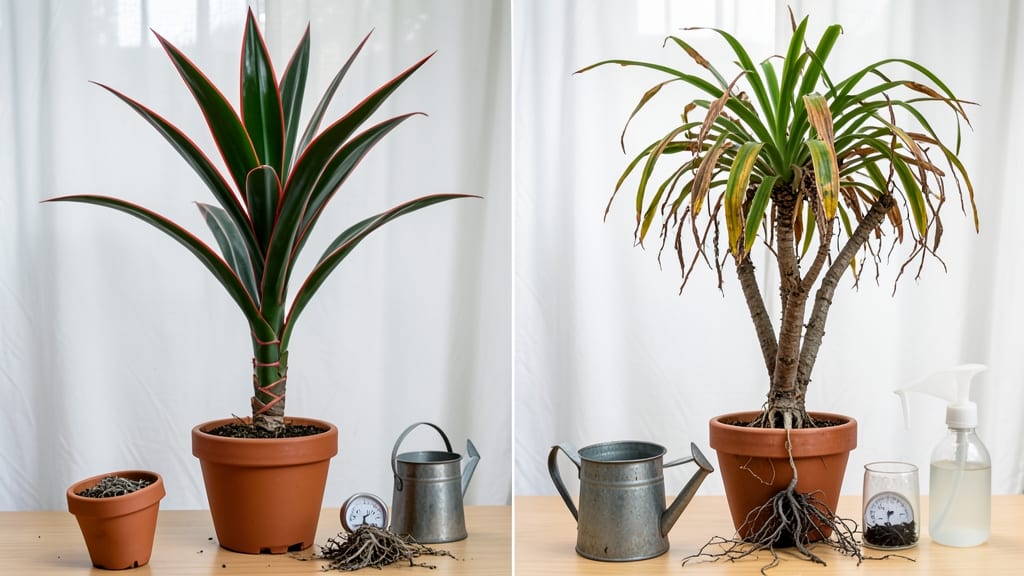
Your Madagascar dragon tree is dying—but there’s still hope. 🌿 Root rot turns vibrant green leaves into sad, mushy brown patches, and the last thing you want is to lose this architectural star. The good news?
With three simple steps, you can diagnose the problem and nurse it back to health before it’s too late. Start by checking the soil: if it smells like a swamp or feels squishy, you’ve got root rot.
Drain the pot immediately and let it air out for 24 hours—this alone can stop the rot from spreading. For stubborn cases, repot into fresh, well-draining soil and trim any black, mushy roots with clean scissors.
By the time you’re done, your dragon tree will start showing signs of recovery within 2-4 weeks: new growth at the tips and a firmer stem. The key is consistency—keep the soil lightly moist but never soggy, and avoid letting it sit in waterlogged saucers.
This method works for any overwatered dragon tree, whether it’s a tiny 6-inch plant or a towering 6-foot centerpiece. Let’s get that soil back in balance!
📚 In This Guide
- What you need
- Instructions
- Tips and common mistakes
- Wrapping up and next steps
What you need
- ● Pruning shears or sharp bypass pruners – sterilized (clean with rubbing alcohol)
- ● Gloves – gardening or nitrile gloves (to protect from sap and bacteria)
- ● Clean, sharp knife or horticultural saw – for severe root pruning
- ● Well-draining potting mix – cactus/succulent mix or 50% perlite/pumice (1-2 bags, ~2-3 gallons total)
- ● Pot with drainage holes – 1-2 sizes larger than current pot (terracotta or ceramic preferred)
- ○ Rooting hormone (optional but helpful) – powder or gel (for encouraging regrowth)
- ● Spray bottle with water – for misting after repotting
- ● Disinfectant (hydrogen peroxide or bleach solution) – 1 part bleach to 10 parts water (for cleaning tools and pot)
- ● Fungicide treatment – copper-based or systemic fungicide (to prevent future rot)
- ● Slow-release fertilizer – balanced 10-10-10 or succulent-specific (for post-rescue care)
- ● Moisture meter – to monitor soil hydration (prevents overwatering)
- ● New mulch (orchid bark or lava rock) – for top layer drainage
Madagascar dragon tree dying: root rot rescue in 3 simple steps
Here’s how to save your struggling dragon tree—no green thumb required.
🌱 Step 1: Remove the Plant and Inspect the Roots
Gently slide the dragon tree out of its pot, being careful not to tear the roots. Shake off excess soil so you can see the root system clearly. Healthy roots should be firm and white or tan, while rotten roots will be mushy, brown, or black and smell foul. I’ve found that even a small amount of rot can spread quickly, so don’t rush this step.
Use clean, sharp scissors or pruning shears to trim away any soft, discolored roots. Only cut back to healthy tissue—you’ll know it’s good root when it snaps cleanly rather than crumbling. If more than half the roots are rotted, your plant may need more aggressive treatment, but don’t panic yet. Most dragon trees bounce back with the right care.
💧 Step 2: Repot in Fresh, Well-Draining Soil
Choose a pot with drainage holes—terracotta works best because it breathes and prevents moisture buildup. Fill the bottom with a layer of fresh, sterile potting mix mixed with perlite or orchid bark (about 20% perlite to 80% mix). This improves drainage and prevents future rot. I like to use a mix designed for succulents or cacti since dragon trees thrive in drier conditions.
Place the trimmed plant into the new pot and fill in around the roots with more of the well-draining mix, pressing lightly to secure it. Water lightly just enough to settle the soil, but don’t soak it. Overwatering now will undo all your hard work. Let the soil dry out completely before watering again—usually 5-7 days, depending on your home’s humidity.
☀️ Step 3: Adjust Watering and Light Conditions
Dragon trees need bright, indirect light to recover, but avoid harsh afternoon sun, which can stress weakened plants. If your tree was previously in low light, move it gradually over a week to prevent leaf scorch. You’ll notice new growth within 4-6 weeks if the roots are healthy—watch for fresh, firm leaves emerging from the center.
Water only when the top 2 inches of soil feel completely dry. Stick your finger in the soil—if it’s damp past your first knuckle, wait longer. I’ve seen dragon trees recover fully in 3-4 months with this approach, but consistency is key. Mist the leaves occasionally to boost humidity, but avoid letting water pool in the crown.
Tips & tricks for reviving a struggling dragon tree
Here's what nobody tells you about saving a plant that's already on the brink—these tricks make all the difference.
Root Inspection Secret: When you're trimming those mushy roots in Step 1, don't just cut what's obviously rotten. Look for roots that are slightly discolored or feel soft when gently squeezed—these are early signs of rot that can spread. I've found that cutting back to the last firm, white root section gives the best chance for recovery. If you're unsure, cut a little deeper—healthy roots won't crumble when you press them.
Soil Mix Strategy: That 20% perlite to 80% potting mix ratio in Step 2 is your best defense against future rot. But here's the thing: if your humidity runs high (like in bathrooms), bump that perlite up to 30%. The extra aeration helps prevent moisture from lingering around those precious roots. I've seen plants recover faster when using a cactus/succulent mix—it's naturally more porous than regular potting soil.
Light Transition Hack: Moving your dragon tree to bright, indirect light in Step 3 can be tricky if it's been in low light for a while. Instead of the full week transition, try this: place it near a north-facing window first for 2-3 days, then gradually move it to its permanent spot. The gradual light increase prevents leaf scorch while still giving it the energy boost it needs to recover. Watch for new growth appearing within those 4-6 weeks—the first sign of success!
Pro Tips for Madagascar Dragon Tree Dying
- Here's what nobody tells you about saving a plant that's already on the brink—these tricks make all the difference.
- Root Inspection Secret: When you're trimming those mushy roots in Step 1, don't just cut what's obviously rotten.
- Soil Mix Strategy: That 20% perlite to 80% potting mix ratio in Step 2 is your best defense against future rot.
Frequently asked questions
Got questions about saving your Dracaena marginata (Madagascar Dragon Tree)? Here are some of the most common concerns—and how to tackle them:
Why is my Madagascar Dragon Tree dying so suddenly?
Sudden decline often signals root rot from overwatering, poor drainage, or compacted soil. Yellowing leaves, mushy stems, or a foul odor are red flags. Check the roots: healthy ones are firm; rotten roots are brown, squishy, and smell bad. Act fast—trim the rot and repot!
How often should I water my Dragon Tree if it’s recovering from root rot?
Let the top 2-3 inches of soil dry out completely between waterings. Overwatering is the #1 killer—stick your finger in the soil to test moisture. In recovery mode, water less, not more. A well-draining mix with perlite or orchid bark helps prevent future issues.
Can I save my Dragon Tree if the roots are completely black and mushy?
Yes, but you’ll need to prune aggressively. Cut away all black/mushy roots with sterilized scissors, then treat the remaining healthy roots with a fungicide (like hydrogen peroxide or cinnamon powder). Repot in fresh, sterile soil and avoid watering for 5–7 days to let wounds heal.
What’s the best soil mix to prevent root rot in the future?
Use a fast-draining blend like:
- 40% cactus/succulent mix (for aeration)
- 30% orchid bark (chunks, not dust)
- 20% perlite or pumice (prevents compaction)
- 10% worm castings (for mild nutrients)
Avoid heavy garden soil—it holds too much moisture. Elevate the pot to improve airflow!
Should I fertilize my Dragon Tree while it’s recovering?
No—wait 4–6 weeks after repotting before fertilizing. Once recovered, use a balanced, diluted fertilizer (like 10-10-10) only in spring/summer. Overfeeding stressed plants worsens root burn. Pro tip: Flush the soil with water monthly to remove excess salts!
Wrapping up and next steps
Your Madagascar Dragon Tree doesn’t have to be a lost cause—with the right care, it can bounce back stronger than ever! 🌱 Root rot might feel overwhelming, but early action makes all the difference. Start by trimming damaged roots, improving drainage, and giving it the ideal environment to thrive.
Now that you’re armed with the know-how, take action today! Check your plant’s roots, adjust its home, and watch it recover in weeks. If you’re unsure, consult a local nursery or plant expert for personalized advice.
Your dragon tree’s revival starts with you—let’s bring it back to life! 💚