
Planting
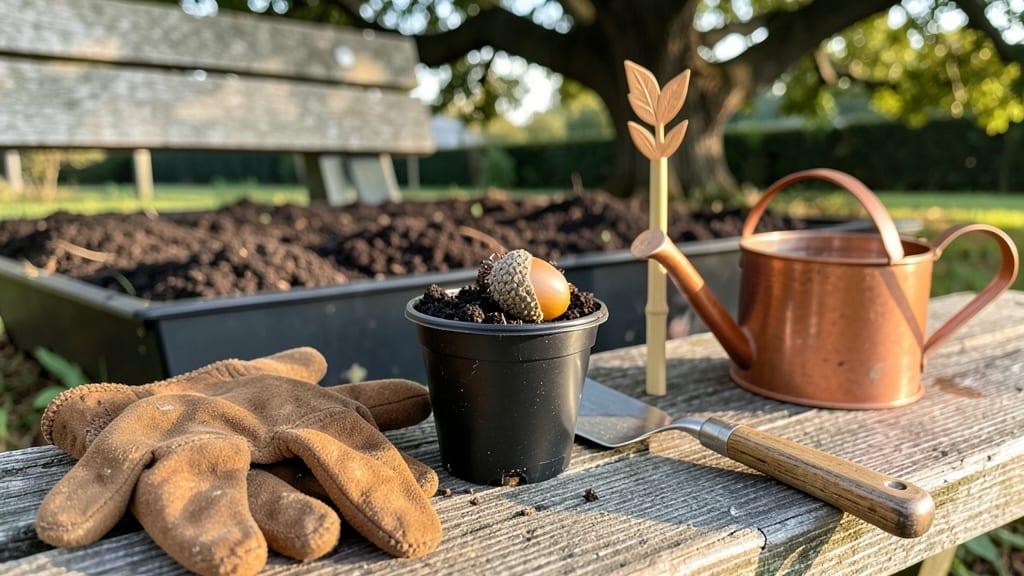
Planting a live oak tree from acorn means you're not just growing a tree—you're nurturing a future shade giant that could outlive you. 🌳 The process starts with patience, because acorns take time to germinate, but the reward is worth every wait: a tree that could reach 75 feet with proper care.
I’ve watched my own acorn-sprouted oak grow from a tiny seedling to a sturdy 6-foot sapling in just five years, and the journey is as satisfying as the result.
You’ll need three key things: fresh acorns (collected in fall), a well-draining soil mix, and a sunny spot with room to grow. The soil should mimic the oak’s natural habitat—sandy, slightly acidic, and rich in organic matter.
Most people skip the soil prep, but that’s where the magic happens: roots develop faster and stronger when they have the right foundation. Once your acorn sprouts (usually in 3-6 weeks), you’ll transplant it into the ground, keeping the root ball intact to avoid shock.
The first year is critical—water deeply once a week, protect it from deer or rabbits, and avoid fertilizing until it’s established. By year three, you’ll see rapid growth if you’ve given it enough space and sunlight. This method works best in zones 6-10, where live oaks thrive naturally.
If you’re in a colder climate, start your acorn indoors under grow lights until spring. The key is consistency: oaks are slow to mature but resilient once they take hold. Ready to begin?
📚 In This Guide
- What you need
- Instructions
- Tips and common mistakes
- Wrapping up and next steps
What you need
- ● Mature live oak acorns: Collect at least 5-10 acorns (more increases your chances of success!). Ensure they’re plump, firm, and free of cracks or mold.
- ● Well-draining potting soil: A 5-10 gallon bag of high-quality, sterile potting mix (avoid garden soil—it can compact and suffocate roots).
- ● Small pots or seed trays: Use 3-4 inch diameter pots or a seed tray with drainage holes (one pot per acorn).
- ● Plastic wrap or humidity dome: Keeps moisture in while the acorn sprouts (a clear plastic bag or a propagator lid works great).
- ● Spray bottle: For gentle watering—avoid over-saturating the soil.
- ● Scissors or pruning shears: To trim the acorn’s cap (if needed) for faster germination.
- ● Garden gloves: Protects your hands from tannins in the acorn (they can stain!).
- ● Labeling tags: Mark pots with the date planted and acorn source (e.g., "Live Oak – 10/2023").
- ● Seed stratification kit: If your acorns aren’t fresh, a cold stratification setup (like a fridge or seedling mat) can mimic winter conditions and boost germination.
- ● Grow lights: For indoor sprouting, especially if natural light is limited (LED grow lights are energy-efficient).
- ● Fungicide (organic): A light spray of neem oil or cinnamon can prevent mold if humidity is high.
- ● Larger nursery pots: Once sprouts emerge, upgrade to 1-gallon pots for stronger root development.
- ● Outdoor planting spot: Scout a sunny, well-drained area (6+ hours of sunlight daily) for transplanting in 1-2 years.
Step-by-step instructions for planting a live oak tree from acorn
Here's how I've successfully grown live oaks from acorns—no nursery needed.
🌱 Step 1: Collect and Prepare Acorns for Planting
Gather mature acorns from healthy live oak trees in late summer or fall. Look for plump, intact acorns with no cracks or holes—these have the best chance of sprouting. I like to collect them in a mesh bag to keep them aerated while I sort through them at home.
Remove any acorns with visible damage or signs of insect activity. Soak the selected acorns in water for 24 hours to soften the shell slightly. This helps break dormancy and speeds up germination. After soaking, place them in a damp paper towel inside a sealed plastic bag. Keep them in a warm spot (around 70°F) for 4-6 weeks.
Check the bag weekly, misting with water if the towel feels dry. You'll know germination is working when you see tiny white roots emerging from the acorns—this is your signal to move to the next step. Real talk: not all acorns will sprout, so plant a few extras to ensure success.
🪴 Step 2: Plant Germinated Acorns in Containers
Use individual 4-inch pots filled with a mix of 50% potting soil and 50% perlite or sand. This blend drains well while retaining enough moisture for young roots. Plant each acorn about 1 inch deep, with the root pointing downward. Gently firm the soil around it to eliminate air pockets.
Place the pots in a warm, bright location with indirect light. A south-facing window works well, but avoid direct sunlight, which can overheat the soil. Keep the soil consistently moist but not soggy—you want it to feel like a wrung-out sponge. Overwatering at this stage can cause the acorn to rot before it sprouts.
You'll see the first true leaves emerge in 4-8 weeks, depending on temperature and moisture. Here's the thing—these early leaves are delicate, so avoid disturbing the seedlings once they appear. If you notice the soil surface drying out quickly, reduce watering slightly to prevent stress on the young roots.
☀️ Step 3: Transition Seedlings to Outdoor Conditions
Once seedlings have 3-4 sets of leaves and are about 6 inches tall, it's time to move them outdoors. Start by placing them in a sheltered spot, like under a tree or patio, for 2-3 hours daily. Gradually increase their outdoor time over 2 weeks, eventually leaving them out overnight.
Choose a permanent planting location with full sun exposure and well-draining soil. Live oaks thrive in slightly acidic soil with a pH between 5.0 and 7.0. Dig a hole twice as wide as the root ball but no deeper. Amend the native soil with compost to improve drainage and fertility—this helps the young tree establish stronger roots.
Plant the seedling at the same depth it was growing in its container. Water deeply after planting to settle the soil and remove any air pockets. Mulch around the base with 2-3 inches of organic mulch, keeping it 6 inches away from the trunk to prevent rot. This mulch layer helps retain moisture and regulate soil temperature.
🌿 Step 4: Care for Young Live Oak Trees
Water newly planted seedlings 1-2 times per week, depending on rainfall, for the first 2 months. After that, reduce watering to once every 2 weeks unless the weather is extremely hot or dry. Overwatering young live oaks can suffocate their roots and lead to disease.
Fertilize lightly in early spring with a balanced, slow-release fertilizer (like a 10-10-10 mix). Use about ½ cup per tree and water it into the soil. Avoid heavy fertilization, as live oaks are slow growers and don't need much to thrive. You'll know you're doing well when the tree shows steady growth of 6-12 inches per year.
Monitor for pests like oak wilt or borers, which can threaten young trees. If you notice wilting leaves, yellowing, or holes in the bark, act quickly with appropriate treatments. Prune only to remove dead or diseased branches—live oaks don't need much shaping in their early years. This is the moment that matters: patience and consistent care will set your young oak up for a long, healthy life.
Tips & tricks for growing live oak trees from acorns
These simple strategies will help you maximize your chances of success with acorn sprouting.
Selection Tip: Don't just grab any acorns—focus on the plumpest, heaviest ones with smooth, intact shells. I've found that acorns with a slight "cap" (the pointed end) tend to sprout more reliably. If you're collecting from the ground, look for ones that haven't been cracked open by squirrels or insects. Confession: I skipped this step for years and wondered why my germination rates were so low!
Germination Environment: That warm spot at 70°F is critical for breaking dormancy. I place my sealed bags on top of my refrigerator during winter months to maintain consistent warmth. If you don't have a warm spot, consider using a seedling heat mat set to 70°F—it's a small investment that makes all the difference. Remember, the damp paper towel should feel like a wrung-out sponge, not dripping wet.
Container Strategy: While 4-inch pots work well, I've had great success with biodegradable peat pots that can be planted directly into the ground later. The key is ensuring proper drainage—those 4-inch pots should have drainage holes, and if using regular pots, elevate them slightly on a saucer. This prevents waterlogging, which is the #1 cause of acorn rot during germination.
Transition Timing: The 2-3 hour outdoor acclimation period in Step 3 is your chance to observe how your seedlings handle real-world conditions. I like to start with morning sun exposure when temperatures are cooler. Watch for any wilting—if leaves curl up, bring them back inside immediately. This gradual process helps prevent transplant shock when you eventually move them to their permanent home.
Pro Tips for Plant A Live Oak Tree From Acorn
- These simple strategies will help you maximize your chances of success with acorn sprouting.
- Selection Tip: Don't just grab any acorns—focus on the plumpest, heaviest ones with smooth, intact shells.
- Germination Environment: That warm spot at 70°F is critical for breaking dormancy.
Frequently asked questions
Got questions about growing a live oak from an acorn?
You’re not alone! Here are answers to the most common concerns—from timing to troubleshooting—to help you succeed.
How long does it take for an acorn to sprout?
Patience is key! Acorns typically sprout in 4–12 weeks under ideal conditions (warmth, moisture, and darkness). Some may take longer—especially if the acorn is dormant or stored improperly. Keep the soil consistently moist and monitor for tiny roots or a shoot breaking through the shell.
When is the best time to plant an acorn outdoors?
Plant acorns outdoors in early fall (September–October), mimicking their natural cycle. This gives them time to establish roots before winter. If you’re starting indoors, plant in late winter (February–March) so seedlings can harden off before transplanting. Avoid planting in extreme heat or frost.
Can I plant an acorn directly in the ground without pre-sprouting?
Yes! Many gardeners bury acorns directly in well-drained soil (6–8 inches deep) in fall. The natural freeze-thaw cycles help break dormancy. However, pre-sprouting indoors gives you more control over germination rates. If planting outdoors, mark the spot—live oaks grow slowly (1–2 feet per year)!
Why isn’t my acorn sprouting? Troubleshooting tips.
Common issues and fixes:
- Too dry: Acorns need consistent moisture—mist the soil daily or use a humidity dome.
- Too cold: Keep indoors near a warm (70–75°F) heat mat until sprouting starts.
- Rotten acorn: If moldy or mushy, discard it—only firm, plump acorns will sprout.
- No roots after 3 months: The acorn may be non-viable or from a hybrid oak (e.g., pin oak). Try another!
How do I know if my seedling is a live oak (vs. another oak species)?
Live oak seedlings have lobed leaves with rounded tips and grow slowly with a sturdy trunk. Compare it to other oaks:
Feature
Live Oak
Pin Oak
Red Oak
Leaf Shape
Smooth, rounded lobes
Pointed lobes
Bristle-tipped lobes
Growth Rate
Slow (1–2 ft/year)
Moderate (2–3 ft/year)
Fast (3+ ft/year)
If unsure, wait until it’s 2–3 years old—mature leaves are the best identifier!
Wrapping up and next steps
Growing a live oak tree from an acorn is a rewarding journey that connects you to nature’s timeless cycles.
With patience, care, and the right techniques, you can nurture a mighty tree that will stand for generations. Now that you’ve learned the steps, it’s time to take action—gather your acorns, prepare your space, and watch your future oak flourish! 🌳✨
Ready to start? Plant your first acorn this season and give back to the earth while creating a legacy.