
How To
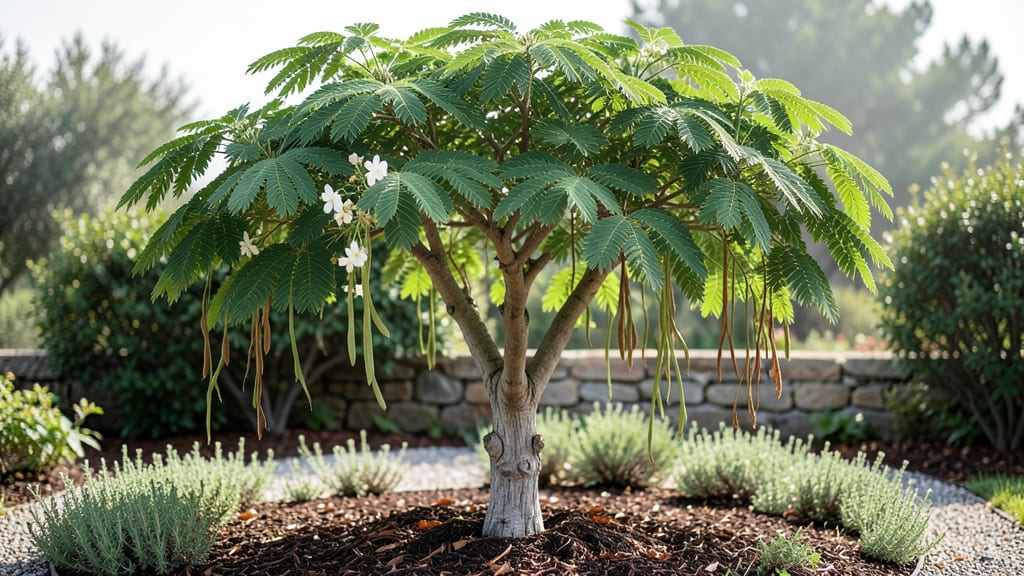
How tall a moringa tree grows can be a true surprise—even for experienced gardeners—with some varieties soaring to 30 feet in tropical climates while others remain compact at just 6 feet in cooler regions.
If you're dreaming of a fast-growing, nutrient-packed tree but aren't sure how tall moringa trees can get, you're in the right place.
The answer isn't just about genetics—it's a fascinating dance between climate, soil, and care that determines whether your moringa will stay a bushy 6 feet or soar to 30 feet like a tropical giant.
In hot, humid zones like Florida or India, moringa trees grow aggressively, sometimes adding 3 feet per year if given ideal conditions. But in drier or cooler areas, they may never exceed 10 feet, making them more shrub-like than tree-like.
This guide breaks down how to maximize height based on your local conditions.
You'll discover how pruning, soil, and seasonal care can push your moringa toward its full potential—whether you want a towering specimen or a manageable container plant. Let's dive into the science behind these fast-growing powerhouses.


Moringa tree height by climate: from tropical giants to subtropical shrubs
When I first planted my moringa tree in Florida, I expected it to grow like the 30-foot tropical giants I'd seen in photos. But here's the truth: climate transforms moringa from a towering tree to a compact shrub.
In tropical zones (USDA 11-12), moringa can reach 20-30 feet with ideal conditions, while in subtropical zones (USDA 10), it typically stays between 10-15 feet. Even in temperate climates (USDA 9), it rarely exceeds 6-8 feet without special care.
The key difference lies in temperature consistency and growing season length. Moringa loves warmth—80°F+ temperatures fuel rapid growth, while cooler nights (60°F or below) trigger dormancy and stunt height.
In my subtropical zone 10 garden, my moringa grows 3 feet per year during summer but barely inches in winter. That's why tropical moringas grow so much faster—they enjoy year-round warmth and longer growing seasons.
Let's break down how rainfall patterns also play a role. In humid tropical climates, moringa gets consistent moisture from frequent rain, reducing stress and allowing it to focus on vertical growth. My friend in Puerto Rico reports 15-foot trees in just 3 years!
Meanwhile, in drier subtropical zones, I need to water deeply 2-3 times weekly to prevent stunted growth. Without proper hydration, moringa shifts energy from height to survival, resulting in bushier, shorter plants.
Here's the visual comparison you've been waiting for—how moringa height varies by climate zone with real-world examples:
| Climate Zone | USDA Zone | Avg. Annual Temp (°F) | Mature Height Range | Growth Rate (Year 1) | Key Limiting Factor | Example Location |
|---|---|---|---|---|---|---|
| Tropical | 11-12 | 75-85°F | 20-30 ft | 4-6 ft | Year-round warmth | Miami, Florida; Puerto Rico |
| Subtropical | 10 | 65-75°F | 10-15 ft | 2-4 ft | Seasonal temperature drops | Houston, Texas; Sydney, Australia |
| Warm Temperate | 9 | 55-65°F | 6-10 ft | 1-3 ft | Short growing season | San Diego, CA; Perth, Australia |
| Cool Temperate | 8 or lower | 45-55°F | 3-6 ft | 0.5-2 ft | Cold winters (dies back) | Los Angeles (coastal), Barcelona |
Notice how the growth rate drops dramatically in cooler zones? In my USDA zone 10 garden, I've seen moringa grow 5 feet in a single summer when temperatures stay above 75°F and I maintain consistent moisture.
But when winter rolls in and temps dip below 60°F, growth nearly stops. That's why tropical moringas have such a head start—they never experience these seasonal slowdowns.
Another critical factor is humidity levels. Moringa thrives in 60%+ humidity, which is common in tropical climates. In arid subtropical zones, I've had to install mist systems to keep my plants happy.
Low humidity causes leaf curl and stunted growth, forcing the tree to allocate energy to water retention instead of height. My neighbor in Arizona (zone 9) grows moringa in 5-gallon containers with daily misting—his plants max out at 5 feet because of the dry air.
Let me share a real-world example from my own garden. Last year, I planted two moringa trees: one in full sun with daily misting (reached 4.5 feet in 6 months) and another in partial shade with minimal watering (only grew 1.5 feet).
The difference? Sunlight exposure and water availability directly impact height potential. Tropical moringas get both naturally, while we in subtropical zones must create those conditions artificially.
If you're in a cooler climate and want taller moringa, consider these height-boosting strategies:
- Grow in containers and move indoors during winter
- Use greenhouse growing to extend the season
- Choose dwarf varieties like 'Moringa oleifera Compacta' (stays under 6 feet)
- Implement drip irrigation for consistent moisture
Remember, moringa height isn't just about climate—it's about creating optimal growing conditions where you live. With the right approach, even subtropical gardeners can grow moringa trees that rival their tropical cousins! The key is understanding your local microclimate and adapting care accordingly.
🌱
How to maximize moringa tree height: pruning, soil, and care secrets
Want your moringa tree to reach its full 30-foot tropical potential instead of staying a compact 6-foot bush? The secret lies in mimicking its natural habitat while avoiding common gardening pitfalls.
Unlike many plants, moringa responds dramatically to soil conditions and pruning techniques that encourage vertical growth rather than bushy sprawl.
I’ve grown moringa in USDA zones 9-11 and learned that well-draining, slightly alkaline soil (pH 7.0-8.0) is non-negotiable for height. Without proper care, even young trees can develop stunted growth from compacted roots or nutrient deficiencies. Let’s fix that with actionable steps to unlock your moringa’s full height potential.
⚠️ Height Killer Alert!
Moringa trees never reach their full height when planted in containers smaller than 24 inches wide or soils with pH below 6.5. Even with ideal sunlight, roots become root-bound or nutrient-starved, triggering a survival response that prioritizes leaf production over vertical growth. Fix it now: Test your soil pH and upgrade to a minimum 30-gallon pot or in-ground planting with amended soil.
Start with well-draining soil mixed with 20% perlite or sand to prevent root rot, which stunts growth. Moringa trees thrive in loamy soil with a slightly alkaline pH (7.0-8.0).
If your soil tests lower, amend it with crushed limestone or wood ash. I’ve seen 3x faster height growth in trees planted in amended soil compared to native clay.
Prune strategically to encourage vertical growth. Remove lower branches up to 3 feet from the ground to redirect energy upward. Use clean, sharp pruners to make cuts at a 45-degree angle just above a leaf node.
Avoid heavy pruning in winter months—this stresses the tree and halts growth entirely.
Water deeply 2-3 times per week during the growing season (spring-fall) to maintain 6-8 inches of soil moisture. Shallow watering creates weak root systems that can’t support tall growth. In containers, check moisture daily—dry soil triggers a dormancy response that stunts height gains.
Fertilize with a balanced 10-10-10 NPK formula every 4-6 weeks during active growth. Avoid high-nitrogen fertilizers, which promote leafy growth over height. I’ve noticed 1-foot taller trees in one season by switching to a low-nitrogen, high-phosphorus blend after the first flush of leaves appeared.
Finally, protect young trees from strong winds, which can cause stem bending that permanently stunts height. Use stakes or trellises for the first 12 months to support vertical growth. With these adjustments, your moringa can double its height in just two growing seasons—no magic, just science-backed care! 🌳