
How To
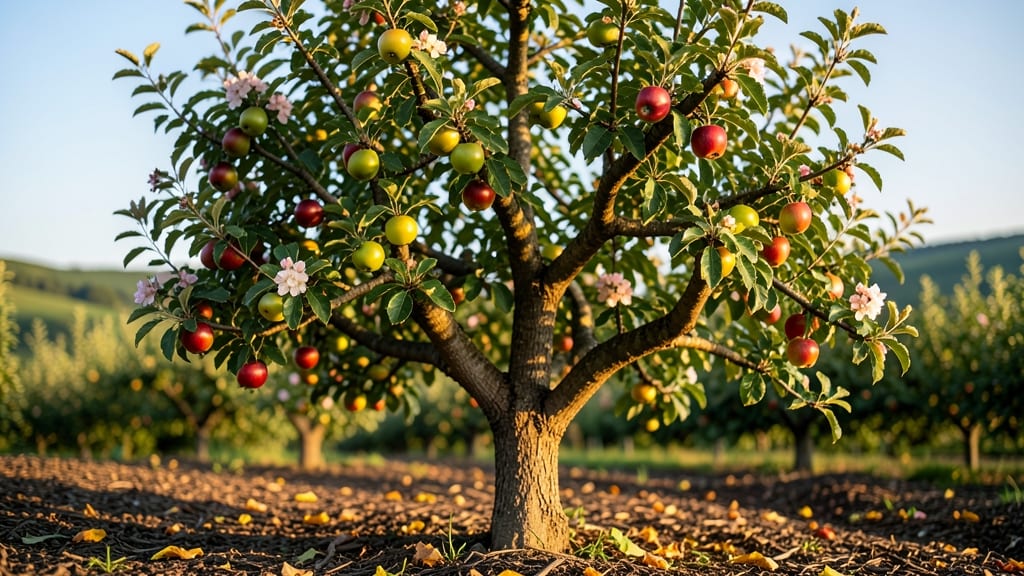
If you’ve ever dreamed of growing your own apples but hesitated due to space constraints—or simply wondered how massive these trees can become—you’re in the right place.
The right choice depends on your garden’s size, climate, and long-term care goals, with dwarf varieties perfect for small yards and standard trees thriving in rural spaces.
Dwarf apple trees stay compact at 6–12 feet, making them ideal for containers or tight spaces, while semi-dwarfs reach 12–20 feet and standard varieties can soar to 20–40 feet.
Pruning plays a key role in managing growth, and selecting the right variety ensures your tree fits your space without sacrificing fruit quality.
Below, I’ll break down the height ranges by type, share pruning tips to keep your tree in check, and help you pick the perfect variety for your garden—whether you’re working with a balcony or an acre.


Apple tree height guide: dwarf, semi-dwarf, and standard varieties explained
Choosing the right apple tree height can transform your garden from a cramped space into a fruitful paradise—or turn a sprawling yard into a manageable orchard. The height of an apple tree isn’t just about aesthetics; it directly impacts harvest accessibility, pruning needs, and even fruit production.
Most home gardeners overlook the rootstock (the underground part of the tree that influences above-ground growth), which is the real secret to controlling size.
The three main apple tree height categories—dwarf, semi-dwarf, and standard—offer dramatically different outcomes. A dwarf apple tree might barely clear your waist, while a standard apple tree can dwarf your two-story home. Understanding these differences helps you match your tree to your space, sunlight, and long-term care capacity.
Rootstock is the game-changer here. It’s the part of the tree below the graft (where the scion—the fruiting part—is attached). The rootstock determines tree height, growth rate, and even cold hardiness. For example, a dwarfing rootstock like M.9 keeps trees under 12 feet, while a standard rootstock like MM.111 can push trees to 30+ feet. This knowledge lets you customize your apple tree’s size like a building block.
| Tree Type | Mature Height | Rootstock Examples | Growth Rate | Ideal Climate |
|---|---|---|---|---|
| Dwarf | 6–12 ft | M.9, M.26 | Slow to moderate | USDA Zones 5–8 |
| Semi-Dwarf | 12–20 ft | MM.106, B.9 | Moderate | USDA Zones 4–9 |
| Standard | 20–40+ ft | MM.111, Antonovka | Fast | USDA Zones 3–10 |
A dwarf apple tree (6–12 feet tall) is perfect for small gardens, containers, or urban yards. Varieties like ‘Granny Smith’ or ‘Red Delicious’ on M.9 rootstock thrive in limited spaces while producing high-quality fruit.
These trees fruit earlier—often within 2–3 years—and require less pruning to keep them manageable. However, their shorter stature means they’re more vulnerable to winter frost and may need protective measures like mulch or frost cloths.
Semi-dwarf apple trees (12–20 feet tall) strike a balance between size and productivity. They’re ideal for backyard orchards or larger containers and often bear fruit in 3–5 years. Rootstocks like MM.106 or B.9 create trees that are easier to prune than standards but still offer generous yields. These trees work well in mixed climates, from coastal regions to inland areas with hot summers, as long as they get full sun exposure.
If you have ample space and dream of a traditional orchard, a standard apple tree (20–40+ feet tall) might be your best bet. These trees, grown on rootstocks like MM.111 or Antonovka, can live for decades and produce massive harvests.
However, they require regular pruning to maintain airflow and prevent disease, and their large canopy can cast deep shade. Standard trees also take 5–7 years to bear fruit, so patience is key.
Your climate zone plays a crucial role in choosing the right height. In warmer climates (USDA Zones 8–10), dwarf or semi-dwarf trees often thrive because they’re less stressed by heat. In colder regions (Zones 3–5), standard trees with deeper root systems can better withstand winter freezes.
Always check the cold hardiness of both the scion (fruit-producing top) and the rootstock to avoid disappointment.
One of the biggest misconceptions about apple tree height is assuming that bigger trees mean better fruit. In reality, dwarf trees often produce higher-quality apples because they’re easier to manage and harvest.
Plus, their compact size makes them ideal for organic gardening, as you can more easily spot and treat p
Top 5 apple tree varieties ranked by height and growth habits
Choosing the right apple tree for your garden starts with understanding how tall it will grow. Some varieties stay compact enough for containers or small yards, while others reach towering heights that require careful planning.
The key difference lies in the rootstock—the underlying tree onto which the desired variety is grafted. Let’s explore five popular varieties that showcase the range from dwarf to standard sizes, along with their care requirements and ideal climates.
If you’re working with limited space, dwarf varieties like 'Granny Smith' or 'Red Delicious' can thrive in containers or tight spaces, while standard trees like 'Fuji' or 'Honeycrisp' need ample room to spread their branches.
Each variety also has unique cold hardiness zones and maintenance needs, so let’s dive into the specifics to help you make the best choice for your garden.
Granny Smith is a top pick for small spaces, typically reaching 6–10 feet at maturity when grafted onto dwarfing rootstock like M.9. This variety thrives in USDA Zones 5–9 and requires minimal pruning, making it ideal for urban gardens or balconies. Its tart flavor and glossy green apples are perfect for fresh eating or baking.
For a balance between size and productivity, Honeycrisp grows to 12–16 feet on semi-dwarf rootstock like MM.106. This variety is prized for its sweet-tart flavor and crisp texture, but it needs well-draining soil and regular watering to prevent disease. It’s well-suited for suburban yards with moderate space.
If you’re dreaming of a classic orchard experience, Fuji is a standout with heights of 18–25 feet on standard rootstock. This variety thrives in Zones 4–8 and produces large, sweet apples that store well. However, its size requires ample pruning to manage growth and ensure easy harvest access.
Jonathan is another tall variety, reaching 20–30 feet, making it better suited for rural properties or large estates. It’s a versatile apple, great for both fresh eating and cooking, and it’s hardy in Zones 4–7. Regular pruning is essential to maintain airflow and fruit quality, as dense canopies can lead to disease.
Finally, McIntosh is a classic standard tree, often growing 25–40 feet tall, with a wide canopy that requires significant space. This variety is a favorite for its juicy, aromatic apples and thrives in Zones 3–7.
While it demands more room and maintenance, its high yield makes it a rewarding choice for dedicated gardeners.