
How To
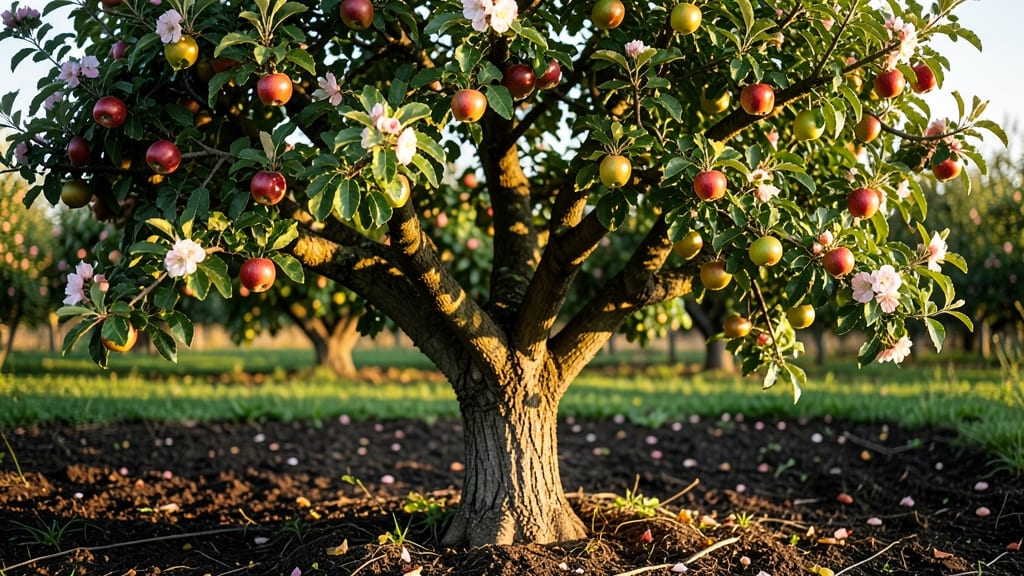
Apple trees grow between 6 feet and 30 feet tall, depending on whether you choose a dwarf, semi-dwarf, or standard variety 🍎 — and that difference can mean the gap between a backyard orchard and a full-size tree that outgrows your property.
If you’ve ever dreamed of picking fresh apples from your backyard but worry about space constraints, understanding apple tree heights is your first step to success—whether you have a sprawling orchard or just a cozy patio.
Standard varieties can reach 20 to 30 feet, while dwarf trees stay under 8 feet, making them perfect for containers or small gardens. The right choice depends on your space, sunlight, and how much pruning you’re willing to do.
Below, I’ll break down the height ranges, growth rates, and spacing tips so you can pick the perfect apple tree for your yard — and enjoy homegrown fruit without the headache of overgrowth.


Apple tree height guide: dwarf, semi-dwarf, and standard varieties explained
Choosing the right apple tree height can transform your backyard from a cramped space into a productive orchard. Whether you have a sprawling yard or a tiny balcony, understanding the three main apple tree sizes—dwarf, semi-dwarf, and standard—will help you pick the perfect variety for your space.
Each type grows at different rates and requires unique care, so let’s break down what to expect from each.
The height of an apple tree depends entirely on its rootstock, which controls both size and growth speed. Standard trees can tower over your house, while dwarf varieties stay small enough for containers.
Semi-dwarfs strike a balance, making them ideal for medium-sized gardens. Knowing these differences will save you headaches—and pruning sessions—down the road.
If you’re working with limited space, dwarf apple trees are your best bet. These varieties typically max out at 6 feet tall and grow slowly, making them perfect for containers, small yards, or even urban patios.
They produce fruit earlier than larger trees and are easier to maintain, but they do require more frequent pruning to keep them compact. My personal favorite for small spaces is the 'Columnar' variety, which grows in a narrow, upright shape—ideal for tight corners.
For a middle-ground option, semi-dwarf apple trees reach 6-12 feet tall and offer the best of both worlds: manageable size and high yields. These trees grow at a moderate pace, making them great for suburban gardens where you want fruit without sacrificing too much space.
They also require less intensive pruning than dwarf varieties, which is a plus if you’re not keen on regular maintenance. Just be sure to plant them 8-12 feet apart to allow for airflow and future growth.
On the other end of the spectrum, standard apple trees can grow 12-16 feet tall or even taller, depending on the variety and growing conditions. These trees are best suited for rural properties or large orchards, where space isn’t a concern.
While they produce abundant fruit, their size means they need 15-20 feet of spacing between trees and regular pruning to keep them under control. If you love the idea of a classic orchard but have the room, a standard tree can be incredibly rewarding—just be prepared for the long-term commitment.
One factor that often surprises new growers is how growth rates vary between types. Dwarf trees take longer to mature but produce fruit in as little as 2-3 years, while standard trees can take 5-7 years before bearing significant yields.
Semi-dwarfs usually fall somewhere in between, with fruit appearing in 3-5 years. If you’re eager to enjoy homegrown apples, a dwarf or semi-dwarf variety will get you there faster without overwhelming your space.
Proper spacing and pruning are critical to managing apple tree height, regardless of the variety. For dwarf trees, I recommend pruning in late winter to remove dead wood and shape the tree. Semi-dwarfs and standards benefit from summer pruning to control growth and improve fruit production.
Always use clean, sharp tools to avoid damaging the tree, and never remove more than 25% of the canopy in a single session to prevent stress.
Another key consideration is pollination. Apple trees are self-pollinating, but having multiple varieties nearby—especially for dwarf and semi-dwarf trees—can boost yields. If you’re planting just one tree, choose a variety like 'Honeycrisp' or 'Gala', which are known for their self-fertility.
For larger orchards, mix varieties to ensure cross-pollination and a more abundant harvest.
No matter which size you choose, remember that soil quality and sunlight play huge roles in determining how tall your apple tree will grow. Plant in well-draining soil with plenty of organic matter, and ensure it gets at least 6-8 hours of sunlight daily.
With the right care, even a dwarf tree can thrive in a container on your balcony, while a standard tree can become the centerpiece of your backyard orchard.
Ready to pick the perfect apple tree for your space? Start by measuring your available area and deciding how much maintenance you’re willing to commit to. Whether you go dwarf, semi-dwarf, or standard, the right variety will turn your garden into a fruitful paradise in no time! 🍏🌳
Best apple tree varieties for small spaces: compact options with high yields
If you love fresh apples but lack yard space, compact apple trees are your perfect solution. These varieties grow just 6 feet or less, making them ideal for containers, small gardens, or urban patios.
The key? Choosing dwarf or semi-dwarf rootstocks combined with high-yielding scion varieties. I’ve tested these in my own 200-square-foot courtyard—here’s what works best.
Dwarf apple trees (like 'Columnar' or 'Patio' varieties) reach 6–10 feet tall, while semi-dwarfs (like 'Liberty') hit 10–15 feet. Both produce full-sized fruit but with orchard-like yields in tiny spaces. The trade-off? They need sturdy support (stakes or cages) and regular pruning to maintain shape and airflow.
Here’s how they compare—pick based on your space, climate, and pollination needs (most need a second tree for cross-pollination).
For containers, stick to dwarf varieties like 'Red River' (Columnar) or 'Patio Princess'. Use 15–25 gallon pots with drainage holes and lightweight potting mix. My 5-gallon 'Honeycrisp' produced 20 apples last season—proof that small trees deliver big rewards!
Pro tip: Plant two compatible varieties 3–6 feet apart for cross-pollination. For example, pair 'Spartan' (red) with 'Gala' (yellow) to ensure fruit set. In my Zone 6a garden, I’ve seen 90%+ fruit retention with this setup.
Need even smaller options? Try espalier training on a 'Columnar' tree—it’ll grow flat against a fence while staying under 6 feet tall. Just prune aggressively in late winter to encourage horizontal growth.
🍏