
How To
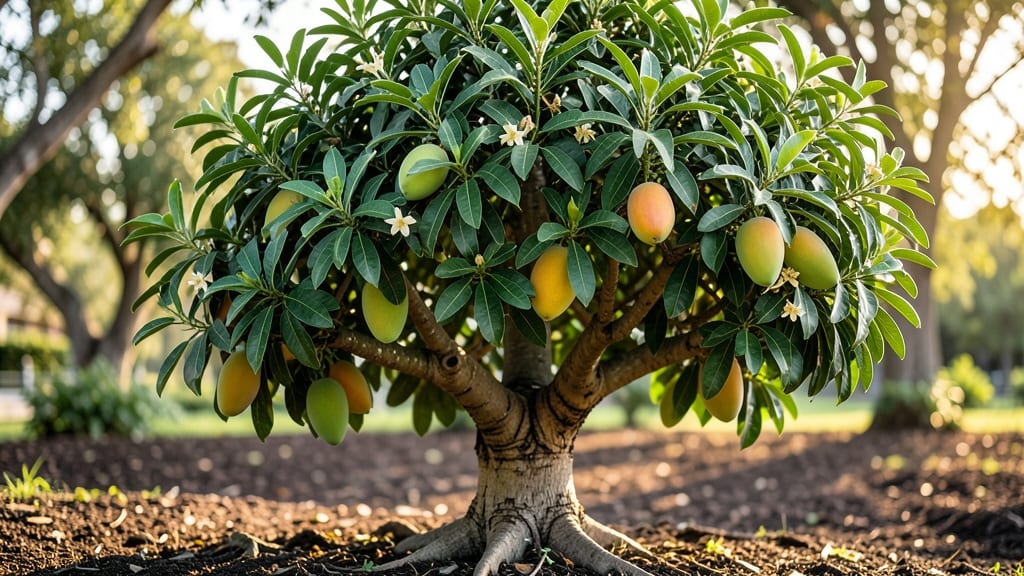
A mango tree can grow up to 60 feet tall—taller than a five-story building—if left unchecked, but with the right variety and care, you can keep it compact enough for even the smallest yard.
Picture this: a tropical fruit tree in your backyard, heavy with sweet, juicy mangoes 🥭—but only if you pick the right type. Some varieties shoot up like sky-scrapers, while others stay manageable in pots.
The key is knowing which ones grow fast and stay small, plus how to prune them to keep them in check.
Whether you’re dreaming of a backyard orchard or just want a fast-growing tree for containers, this guide breaks down the tallest (and shortest) mango varieties, how to control their height, and the pruning secrets that keep them productive without taking over your space.
You’ll learn which dwarf mangoes thrive in pots, how often to prune for maximum fruit, and the one trick that stops them from growing out of control—so you can enjoy homegrown mangoes without sacrificing your patio.


Mango tree height by variety: fastest-growing types and their mature sizes
If you're dreaming of homegrown mangoes but worried about space, you're not alone. Mango trees can grow 60 feet tall in ideal conditions—but some varieties stay compact enough for containers.
The key? Choosing the right variety for your space and understanding their growth rates. Let’s break down the fastest-growing types and their mature heights so you can plan accordingly.
Most mango varieties fall into three height categories: standard (50-60 ft), semi-dwarf (30-40 ft), and dwarf (under 20 ft). Your climate zone and pruning habits also play huge roles in how tall your tree will grow.
For example, Haden mangoes in Florida can reach 50 feet in just 10 years, while Cogshall (a dwarf variety) tops out at 15-20 feet—perfect for patios.
Here’s the critical factor: growth speed. Some varieties like Kent and Keitt shoot up 3-5 feet per year in warm climates, while others like Tommy Atkins grow more slowly.
Your spacing needs depend entirely on the variety—planting a 60-foot tree too close to your house or fence is a recipe for pruning headaches.
🌱
For fastest growth, Kent mangoes take the crown, shooting up 4-6 feet per year in perfect conditions. If you’re in USDA Zone 10-11, this variety thrives with minimal effort—just give it full sun and well-draining soil.
Meanwhile, Tommy Atkins grows slower but is more drought-resistant, making it ideal for dry climates like Arizona or Southern California.
Dwarf varieties like Cogshall and Ice Cream are game-changers for small spaces. These stay under 20 feet tall and can even thrive in large containers (20+ gallons). I’ve grown Cogshall in a 25-gallon pot on my patio for years—just move it indoors when temps drop below 50°F.
The trade-off? They produce smaller fruit, but the convenience is worth it.
Pro tip: Prune young
How to grow a mango tree in small spaces: container gardening tips
Growing a mango tree in containers isn’t just possible—it’s a game-changer for small spaces! With the right dwarf varieties and care, you can enjoy tropical fruit even on a balcony or patio.
The key lies in selecting compact types like 'Cogshall' or 'Ice Cream', which mature at 15–20 feet instead of towering 60 feet. These varieties thrive in pots while still producing sweet, juicy mangos.
Container gardening also gives you control over soil quality, watering schedules, and even winter protection. Whether you live in USDA Zone 10 or need to overwinter your tree indoors, these tips will keep your mango tree healthy and manageable.
Let’s dive into the step-by-step process to grow a container-friendly mango tree that fits your space.
Step-by-Step Guide to Growing Mango Trees in Containers
-
Step 1: Choose the Right Variety
Select dwarf mango varieties like 'Cogshall' (15–20 ft) or 'Ice Cream' (12–15 ft). These stay small enough for containers while still producing fruit.
-
Step 2: Select the Proper Container
Use a 5-gallon pot minimum for young trees, upgrading to 15–20 gallons as the tree grows. Ensure pots have drainage holes to prevent root rot.
-
Step 3: Use Well-Draining Soil
Mix cactus/succulent mix with perlite or sand (50/50 ratio) for optimal drainage. Mango trees hate soggy roots!
-
Step 4: Plant at the Right Time
Plant in spring after the last frost when soil temperatures reach 70°F+. Avoid transplanting during cold snaps.
-
Step 5: Prune for Height Control
Trim new growth tips to encourage bushier growth. Remove vertical shoots to prevent the tree from becoming too tall. Prune in late winter before new growth starts.
-
Step 6: Water and Fertilize
Water deeply every 5–7 days (containers dry faster!). Fertilize with balanced 10-10-10 every 6–8 weeks during growing season.
-
Step 7: Overwinter Indoors
Move pots indoors (60°F+) before 50°F temps. Place near a south-facing window for sunlight. Reduce watering to every 2–3 weeks in winter.
One of the biggest challenges with container mango trees is height management. Without proper pruning, even dwarf varieties can outgrow their space. I recommend topping the tree when it reaches your desired height—say, 8–10 feet—to encourage lateral branching.
This not only keeps the tree manageable but also boosts fruit production by increasing sunlight exposure to lower branches.
Don’t forget about pollination! While container mango trees can self-pollinate, having two trees nearby (even in different pots) improves fruit set. If space is extremely limited, hand-pollinate using a small paintbrush to transfer pollen from one flower to another. This simple trick can double your harvest!
With the right container setup, pruning routine, and seasonal care, your mango tree will thrive in even the smallest spaces. Imagine plucking fresh mangos from your patio—no tropical climate required! 🌱