
How To
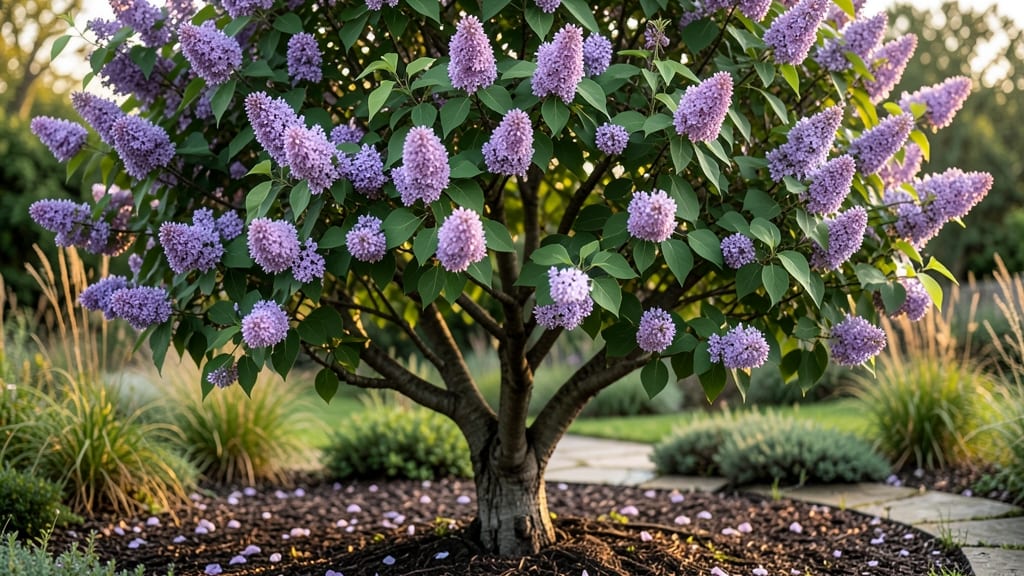
How tall a lilac tree grows depends entirely on the variety you choose—and skipping this step could mean years of pruning regrets.
Picture this: a fragrant purple cloud of blooms in May, but instead of a charming hedge, your lilac has shot up like a skyscraper, blocking your neighbor’s view.
The good news? Some varieties stay compact, while others reach for the sky, and knowing the difference is the key to a perfect garden fit.
From the towering Common Lilac to the petite Korean Lilac, we’ll break down exact height ranges by type, plus how to prune for the size you want.
Whether you’re working with a tiny urban yard or a sprawling backyard, this guide keeps your lilac 🌸 in check—without sacrificing those intoxicating spring blooms.
You’ll also discover the three best dwarf varieties for small spaces, when to prune for bushier growth, and how soil and sunlight tweak height. No more guessing—just a lilac that fits your vision, blooms like crazy, and stays exactly where you want it.


Lilac tree height by variety: exact growth ranges you need to know
Choosing a lilac tree often comes down to one critical question: how tall will it grow? The answer depends entirely on the variety, and picking the wrong one could mean years of struggling with an overgrown shrub that overshadows your patio or clashes with your landscape design.
Some lilacs stay compact enough for small yards, while others reach small tree heights—knowing the difference is key to planning your garden layout.
The Common Lilac (Syringa vulgaris) is the classic variety most gardeners picture when they think of lilacs, but its mature height of 10-15 feet makes it better suited for large backyards or as a privacy screen.
Meanwhile, varieties like the Korean Lilac (Syringa meyeri) or Dwarf Korean Lilac offer the same fragrant blooms in a fraction of the space. Understanding these differences helps you select a lilac that fits your vision without compromising on fragrance or beauty.
| Variety | Mature Height | Growth Habit | Best For |
|---|---|---|---|
| Common Lilac | 10–15 ft | Upright, multi-stemmed | Large gardens, privacy screens |
| French Lilac (Syringa vulgaris 'Madame Lemoine') | 8–12 ft | Bushy, rounded | Medium yards, borders |
| Korean Lilac (Syringa meyeri) | 6–10 ft | Multi-stemmed, dense | Small gardens, containers |
| Dwarf Korean Lilac (Syringa meyeri 'Palibin') | 3–5 ft | Compact, rounded | Urban gardens, patios |
| Miss Kim Lilac (Syringa meyeri 'Miss Kim') | 4–6 ft | Bushy, upright | Small spaces, containers |
| Annabelle Lilac (Syringa vulgaris 'Annabelle') | 7–10 ft | Upright, multi-stemmed | Medium yards, hedges |
The Common Lilac is the tallest variety, often reaching 12-15 feet at maturity, which makes it ideal for creating natural privacy barriers or anchoring the back of a large garden bed.
If you love the classic lilac fragrance but need something more manageable, the French Lilac is a fantastic middle-ground option, typically growing to 8-12 feet while still producing abundant blooms. Its slightly smaller stature makes it perfect for medium-sized yards or as a focal point near patios.
For gardeners with limited space, Korean Lilacs and their dwarf cousins are game-changers. The standard Korean Lilac tops out around 6-10 feet, while the Dwarf Korean Lilac stays a modest 3-5 feet tall—making it one of the best choices for containers or small urban gardens.
Varieties like 'Miss Kim' (4-6 feet) bridge the gap between dwarf and standard sizes, offering versatility for almost any landscape.
When planning your lilac's location, remember that height isn't the only factor. The spread of the shrub also matters—most lilacs grow 8-12 feet wide at maturity, so you'll need to account for that in your spacing.
For example, planting a Common Lilac 10 feet from a fence ensures it won’t crowd the structure as it matures. Always measure your space and consider how the lilac will interact with other plants or hardscapes over time.
If you're unsure which variety to choose, start by assessing your available space and garden style. A 15-foot-tall lilac might dominate a small suburban yard, while a 4-foot dwarf could get lost in a sprawling landscape.
For city dwellers or those with tight spaces, 'Miss Kim' or 'Dwarf Korean Lilac' are my top recommendations—they deliver big fragrance in a small package. For traditional gardens, the French Lilac strikes the perfect balance between height and manageability.
One final tip: pruning plays a huge role in controlling lilac height. Regular pruning after flowering can encourage bushier growth and prevent your lilac from becoming too leggy. I’ll
How to control lilac tree height: pruning tips for compact growth
Want to keep your lilac tree from becoming a towering giant in your yard? Pruning is the secret weapon for managing height while still enjoying those fragrant blooms. The key is timing, technique, and knowing which cuts to make.
With the right approach, you can encourage a bushier shape and control growth without sacrificing next year's flowers. Let’s dive into the best pruning strategies for compact lilacs.
First, understand that lilacs naturally grow 6 to 15 feet tall, depending on the variety. But with strategic pruning, you can shape them to fit even the smallest spaces. The goal is to remove old wood and encourage new growth from the base.
This not only keeps the tree shorter but also promotes more abundant blooms. Start by gathering your tools—a sharp pair of bypass pruners, loppers for thicker branches, and gloves for protection.
Here’s your step-by-step guide to pruning lilacs for compact growth:
Step-by-Step Pruning Guide
-
Step 1: Prune Right After Flowering
Wait until late spring or early summer, after the lilac has finished blooming. This ensures you don’t cut off next year’s flower buds, which form on old wood. -
Step 2: Remove Dead or Weak Branches
Start by cutting out any dead, diseased, or crossing branches at the base. This improves airflow and reduces the risk of pests. -
Step 3: Thin Out Overcrowded Areas
Look for branches growing inward or rubbing against each other. Cut these back to the main stem to create an open center and encourage sunlight penetration. -
Step 4: Shorten Tall Branches by 1/3
Select the tallest branches and trim them back to a side bud or lateral branch. Avoid cutting into old wood—focus on younger growth. -
Step 5: Encourage New Growth at the Base
To promote a bushier shape, cut back some of the older stems to the ground. This stimulates new shoots from the base, which will bloom in future years. -
Step 6: Avoid Heavy Pruning in Fall or Winter
Pruning during dormancy can reduce next year’s flowers. Stick to light shaping if needed, but save major cuts for post-bloom.
One common mistake is pruning lilacs too late in the season. If you cut back in fall or winter, you risk removing next year’s flower buds, which form on the previous year’s growth. Always wait until after the lilac has finished blooming to avoid this pitfall.
For small gardens, consider choosing dwarf varieties like 'Miss Kim' or 'Dwarf Korean Lilac,' which naturally stay under 5 feet tall and require minimal pruning.
After pruning, give your lilac some extra care. Water deeply to help it recover, and apply a balanced fertilizer in early spring to support new growth. Mulch around the base to retain moisture and suppress weeds, which can compete for nutrients.
With consistent pruning and care, your lilac will stay lush, compact, and full of blooms for years to come.
Remember, lilacs are forgiving plants, but patience is key. It may take a few years to see dramatic changes in height, especially with larger varieties. But with these pruning tips, you’ll have a well-shaped, fragrant lilac that fits perfectly in your space—without overshadowing your patio or fence!