
How To
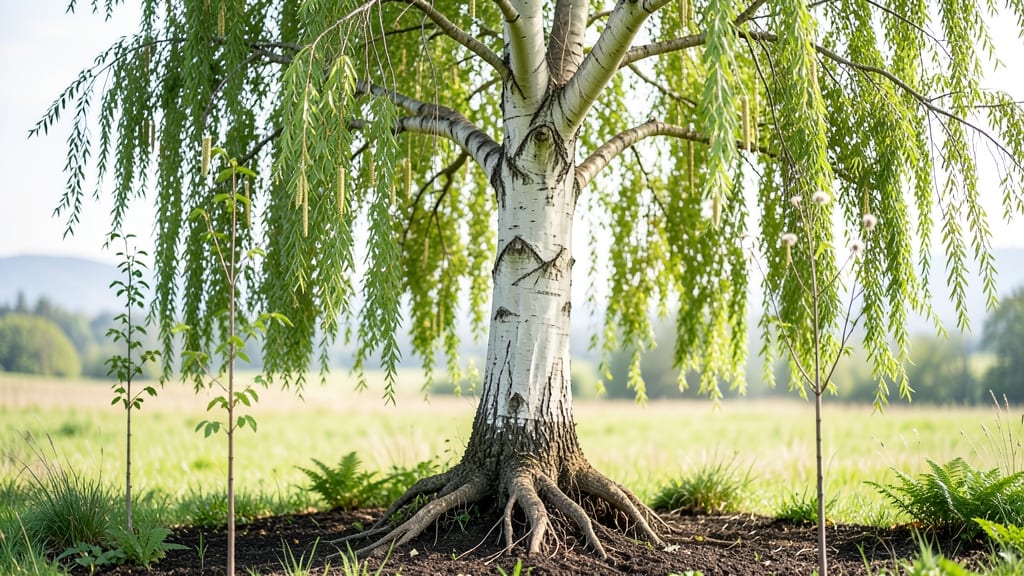
A poplar tree can grow 60 to 100 feet tall—taller than a 6-story building—with some species shooting up 6 feet per year in ideal conditions.
If you're dreaming of towering shade trees that grow at lightning speed, poplar trees might be your perfect match—but how tall can they really reach?
Fast-growing varieties like the Eastern Cottonwood or Black Poplar can dominate a landscape within a decade, while dwarf types stay manageable for smaller yards.
Here’s how to choose the right variety for your space, manage their rapid growth, and avoid common pitfalls like invasive roots or overcrowding.


Poplar tree height comparison: fastest-growing varieties and their sky-high limits
Poplar trees are famous for their explosive growth rates, often shooting up 6 feet or more per year in ideal conditions. But how tall can these giants really get? Some varieties reach heights that dwarf even the tallest buildings, while others stay compact enough for small yards.
Let's compare the fastest-growing poplars and their sky-high limits to help you choose the perfect tree for your space.
The Eastern Cottonwood (Populus deltoides) takes the crown for height, often surpassing 100 feet in mature forests. In urban settings, it can still reach 70-90 feet with proper care.
Meanwhile, hybrid varieties like the Carolina Poplar (Populus × canadensis) grow just as fast but may top out slightly shorter, around 60-80 feet. These giants aren't just tall—they're architectural statements that transform landscapes overnight.
Climate plays a massive role in how tall poplar trees grow. In humid southern climates, Eastern Cottonwoods thrive and reach their maximum heights. But in dry western regions, even fast-growing poplars may stay shorter due to water stress. Cold northern climates can also limit growth, though hardy varieties like the Black Poplar (Populus nigra) still manage 50-70 feet with proper care.
Not all poplars are towering giants—some stay surprisingly small. The 'Nanus' Dwarf Poplar (Populus × canadensis 'Nanus') tops out at just 15-20 feet, making it ideal for urban gardens and patios.
Even faster-growing varieties like the 'Fox Valley' Poplar stay under 30 feet, proving that you don't need a forest to enjoy poplar charm. These compact options grow 3-5 feet per year, perfect for small spaces without the sky-high commitment.
Here’s how the fastest-growing poplar varieties compare in height and growth speed:
If you're planting near power lines or buildings, even fast-growing poplars can become a problem. The Eastern Cottonwood, for example, can outgrow most suburban spaces in just 10-15 years.
Always check local regulations before planting—some areas restrict tall poplars due to their aggressive root systems and potential to damage foundations or sidewalks.
For maximum height without the hassle, focus on soil quality and sunlight. Poplars thrive in moist, well-drained soil with full sun exposure. In these conditions, even dwarf varieties can grow faster than expected.
Just be prepared for regular pruning to manage their spread and keep them from overtaking your landscape.
Ready to plant? Start with young saplings from a reputable nursery, and give them space to grow. With the right variety, your poplar could be a towering landmark in just a few years—or a charming, compact addition to your patio. Either way, you’ll love watching it grow!
🌳
How to maximize poplar tree growth: soil, sunlight, and care tips for rapid height
Poplar trees are nature's speed demons, capable of shooting up 6 feet per year under ideal conditions. To unlock their full potential, you'll need to focus on three critical factors: soil quality, sunlight exposure, and proper care techniques.
These fast-growing trees thrive when given the right growing conditions, but their aggressive root systems require careful management to prevent unwanted spread.
First, let's address the soil requirements that fuel rapid vertical growth. Poplar trees prefer moist, well-drained soil with a slightly acidic to neutral pH (6.0-7.0). Amending heavy clay soils with compost or sand creates the perfect balance for their deep root systems.
I always recommend testing your soil before planting to ensure optimal nutrient availability for those hungry young saplings.
While poplars grow 60-100 feet tall at maturity, their roots spread 4-5 times wider than their canopy. Plant at least 50 feet from structures to prevent root damage. Eastern Cottonwood varieties are particularly invasive—consider root barriers if planting near property lines.
For maximum height, position your poplar in full sun locations with at least 6-8 hours of direct sunlight daily. Partial shade slows growth dramatically, while deep shade can stunt development entirely.
I've seen hybrid poplars like 'Robusta' reach 80 feet in just 15 years when given optimal sunlight conditions in their native climates.
Watering plays a crucial role in maintaining rapid growth. Young poplar trees need deep watering 2-3 times per week during their first growing season. Once established, they tolerate drought but prefer consistent moisture.
I recommend using drip irrigation systems for large plantings, as their extensive root systems require thorough water penetration.
Pruning strategies can dramatically influence height development. To encourage vertical growth, remove lower branches up to 6 feet from the ground during dormant seasons. This creates a clean trunk while directing energy upward.
Avoid heavy pruning in late summer, as new growth won't harden off before winter, making the tree vulnerable to cold damage.
For urban gardeners with limited space, consider container-growing dwarf varieties like 'Nanus' poplar, which max out at 15-20 feet while maintaining rapid growth rates. These compact trees offer all the benefits of poplar foliage without the space requirements.
Remember, even fast growers need 5-10 years to reach their mature height potential.
With proper care, your poplar tree could become the tallest shade provider in your neighborhood—just be prepared for its impressive stature! The key is balancing rapid vertical growth with root control to create a stunning, manageable landscape feature. 🌳