
How To
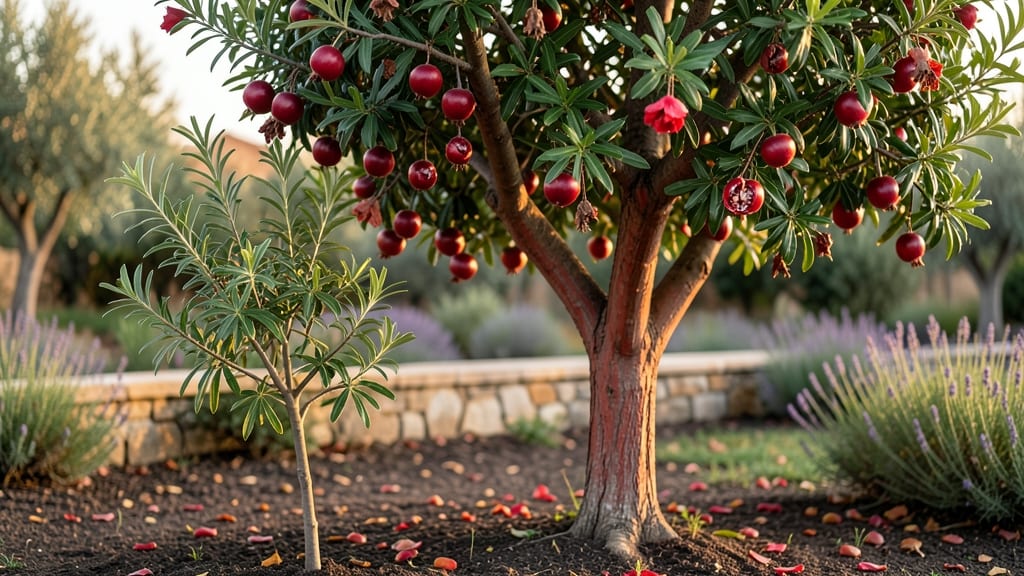
A pomegranate tree grows anywhere from 6 feet to towering 30 feet tall, depending on the variety and care you give it 🍇 — but that doesn’t mean you need a backyard to grow one.
If you’ve ever dreamed of growing juicy, ruby-red pomegranates but worry about limited outdoor space, you’re in the right place. Dwarf varieties like ‘Wonderful’ or ‘Eversweet’ stay compact, perfect for containers or small gardens, while standard types reach their full height in open landscapes.
The key to managing size is pruning and choosing the right variety. A 6-foot dwarf can produce fruit in just a few years, while a 20-foot standard tree may take longer but rewards with larger harvests.
Below, I’ll break down how to pick the best fit for your space and keep it thriving.
You’ll discover which dwarf varieties thrive in pots, how pruning controls height, and the fastest-growing options for quick harvests—so you can enjoy pomegranates without sacrificing space.


Pomegranate tree height by variety: dwarf vs. standard growing habits
Choosing the right pomegranate variety depends on your space—whether you have a sprawling backyard or just a sunny patio. Standard varieties like 'Wonderful' can reach 20-30 feet tall, making them perfect for large landscapes, while dwarf varieties like 'Dwarf Granat' stay under 6-12 feet, ideal for containers.
The difference isn’t just height; it’s about growth rate and fruit yield too.
If you’re growing pomegranates in containers, dwarf varieties are your best bet. They mature faster—often producing fruit within 2-3 years—while standard trees may take 4-5 years to bear fruit. This makes dwarf varieties perfect for urban gardeners or those with limited space.
But don’t assume smaller means less productive; some dwarf varieties yield just as many fruits as their taller counterparts!
Here’s the key: pomegranate tree height varies wildly by variety, but all need full sun (6+ hours daily) and well-draining soil to thrive. Even dwarf trees can outgrow their pots if not pruned regularly, so plan for 15-25 gallon containers minimum.
Standard trees, on the other hand, need 10+ feet of clearance and regular pruning to manage their size.
For container gardening, 'Dwarf Granat' is my top pick—it stays compact, produces sweet, seedless fruits, and handles pot life beautifully. Just ensure your container has drainage holes and use a well-draining potting mix to prevent root rot.
Standard varieties like 'Wonderful' are better suited for ground planting in USDA zones 7-11, where they can spread their roots freely.
Pruning plays a huge role in managing pomegranate tree height. For dwarf varieties, I recommend light pruning in late winter to shape the tree and remove dead branches.
Standard trees need more aggressive pruning—especially in their first few years—to encourage a strong central leader and prevent overcrowded branches. Always use sterilized pruners to avoid disease spread.
One common mistake I see is assuming all pomegranate trees grow at the same rate. 'Mollar de Elche', for example, grows 2-3 feet per year and can bear fruit in just 3 years, while 'Wonderful' takes longer to mature but produces larger, sweeter fruits.
Climate also affects growth—trees in hot, dry climates (like USDA zone 9-11) grow faster than those in cooler regions.
If you’re growing pomegranates in small spaces, consider espalier training. This technique lets you grow trees against a trellis or fence, keeping them under 6 feet tall while maximizing fruit production.
It’s a game-changer for balcony gardens or tiny backyards! Just be patient—it takes 1-2 years to establish the structure, but the results are worth it.
Remember, pomegranate tree height isn’t the only factor—fruit quality matters too. Dwarf varieties like 'Eversweet' produce juicy, seedless fruits perfect for snacking, while standard varieties often yield larger, more complex flavors.
Choose based on your space, climate, and taste preferences, and don’t forget to mulch around the base to retain moisture and regulate soil
How to maximize fruit production in small spaces: container gardening tips
Growing pomegranates in containers is absolutely possible, even in tight spaces! With the right container size, pruning techniques, and care routine, your dwarf pomegranate tree can produce abundant fruit while staying compact. The key is understanding how to optimize its environment for maximum yield.
First, choose a 15–25 gallon container with drainage holes to prevent root rot. Larger pots allow for deeper root systems, which support better fruit production. Place your container in a spot with at least 6–8 hours of sunlight daily—pomegranates are sun lovers! South-facing windows or balconies work perfectly.
🌱 Maximize Fruit in Containers
- 🪴 Pot Size: 15–25 gallons (deeper = better roots)
- ☀️ Sunlight: 6–8 hours daily (no compromise!)
- 💧 Watering: Deep soak 2–3x/week (drought-tolerant but consistent)
- ✂️ Pruning: Trim in late winter to shape and encourage fruiting
- 🌿 Soil: Well-draining mix with compost (pH 6.0–7.0)
For soil requirements, use a well-draining mix with compost to retain moisture without waterlogging. A balanced fertilizer (8-3-9 NPK) applied every 4–6 weeks during growing season will boost fruit production. Avoid over-fertilizing, as this can lead to excessive leaf growth at the expense of fruit.
Pruning is another critical step. In late winter, trim back any dead or crossing branches to improve airflow and sunlight penetration. Light pruning during the growing season helps shape the tree and encourages more fruit-bearing branches. Never prune more than 25% of the tree at once to avoid stress.
Watering schedules matter too! Container-grown pomegranates need deep watering 2–3 times per week, especially during hot weather. Let the top inch of soil dry out between waterings to prevent root rot. Mulching around the base of the container helps retain moisture and keeps roots cool in summer.
With these strategies, your container-grown pomegranate tree can thrive and produce fruit just like its in-ground counterparts—proving that even small spaces can yield big rewards! Keep an eye out for pests like aphids, and you’ll be enjoying homegrown pomegranates in no time.