
How To
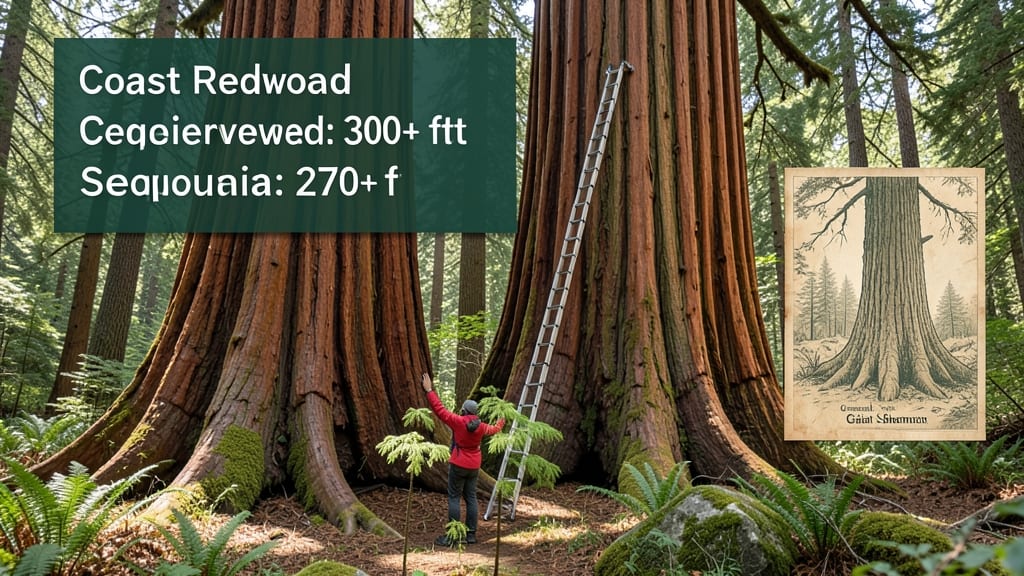
A sequoia tree can grow how tall a sequoia tree can grow—taller than a 30-story building—making it the largest living organism on Earth 🌲. Imagine standing at its base and craning your neck to see the treetops vanish into the sky.
That’s the kind of scale we’re talking about, and it’s not just a matter of time, but also the perfect mix of climate, soil, and a little bit of luck.
If you’ve ever gazed up at a towering sequoia and wondered how nature could craft something so majestic, you’re not alone—these giants defy imagination with their staggering heights. But just how tall can a sequoia tree grow, and what makes some specimens reach legendary proportions?
The answer lies in their natural habitat, where conditions are just right for them to stretch toward the heavens.
These trees thrive in USDA Zone 6a and beyond, where cool, moist climates and deep, nutrient-rich soil give them the foundation to grow. While they’re not practical for most home gardens—thanks to their massive size—understanding their growth patterns can help you appreciate why they’re so special.
Whether you’re dreaming of planting one or just fascinated by their height, knowing how they reach such incredible proportions is the first step.
In this guide, you’ll discover the science behind their growth, the records they’ve broken, and the care tips to help them thrive—even if you’re not planting a forest.
From seedling to sky-scraper, we’ll break down everything you need to know about how tall a sequoia tree can grow and what it takes to get there.


Sequoia tree height records: the tallest trees on Earth
When you stand beneath a coast redwood or giant sequoia, it’s easy to feel like an ant beside a skyscraper. These trees aren’t just tall—they’re the tallest living organisms on Earth, with some specimens reaching heights that defy belief.
But which type holds the record, and how do they grow so massive? Let’s explore the height records that make sequoias legendary.
The title of tallest tree belongs to the coast redwood (Sequoia sempervirens), with the current record holder, Hyperion, standing at a staggering 380 feet. This tree, discovered in 2006, towers over its giant sequoia cousins, which max out around 275 feet.
The difference isn’t just in height—it’s in their natural habitats and growth strategies.
The coast redwood’s dominance in height comes from its fog-loving roots. These trees thrive in coastal California’s high-humidity fog belts, where moisture condenses on their needles, providing a constant water supply.
Their thin bark and flexible branches also allow them to grow taller without snapping under their own weight.
In contrast, giant sequoias prioritize width over height. Their massive trunks—some over 25 feet in diameter—store water and nutrients, helping them survive wildfires.
While they don’t reach the same heights as coast redwoods, their sheer volume makes them the most massive trees by volume, with General Sherman weighing over 2.7 million pounds.
What’s truly astonishing is how these trees surpass 300 feet. Their root systems are shallow but extensive, spreading up to 100 feet wide to anchor them. Meanwhile, their crowns can stretch 100 feet across, capturing sunlight like solar panels.
This combination of root stability and crown efficiency allows them to grow upward relentlessly.
But here’s the catch: not all sequoias grow this tall. Their height depends on genetics, climate, and competition. In crowded forests, trees grow taller to reach sunlight, while isolated specimens may grow wider.
The tallest sequoias thrive in ideal conditions: coastal fog for redwoods and mountain air for giant sequoias.
If you’re dreaming of growing a sequoia in your backyard, think again. These giants need space, time, and perfect conditions. Even in USDA Zone 6a, they’ll take centuries to reach their full potential.
For most gardeners, admiring them in national parks is the best option—unless you have 50 acres of foggy coastline!
So next time you visit a sequoia grove, look up. You’re standing beneath some of the oldest and tallest organisms on the planet—trees that have been growing since before the American Revolution.
Their heights aren’t just a marvel of nature; they’re a testament to patience, resilience, and the power of evolution.
🌲
What determines a sequoia tree’s maximum height?
A sequoia tree’s height isn’t just luck—it’s a perfect storm of genetics, climate, and ecological conditions. While some coast redwoods and giant sequoias reach 350+ feet, others plateau at 100 feet.
The difference lies in their growing environment and inherent traits. Let’s break down the key factors that push these giants to their towering potential.
First, climate conditions play a starring role. Sequoias thrive in cool, foggy coastal climates with mild winters and abundant moisture. The famous redwood forests of California’s coastal fog belt provide the ideal mix of humidity and temperature.
Without this, growth slows dramatically. Even a 5°F temperature drop can stunt their development.
Soil quality is another critical factor. Sequoias prefer deep, well-draining soils rich in organic matter. Rocky or shallow soils limit root expansion, capping their height. In ideal conditions, their roots can spread 100+ feet wide, anchoring them to reach for the sky. Poor soil? Expect a shorter, weaker tree.
Water availability is non-negotiable. Sequoias rely on consistent moisture, whether from fog drip or rainfall. In drier inland areas, their growth stalls unless supplemented. Even in optimal climates, drought stress can halt height gains for years. That’s why the coastal redwoods dominate height records—they’re bathed in fog year-round.
Genetics also set the stage. Some sequoia strains grow 3 feet per year in perfect conditions, while others barely reach 1 foot annually. The tallest specimens inherit fast-growing traits from their parents.
Without these genetic advantages, even ideal conditions won’t produce a record-breaker. Think of it like a race—some trees are born sprinters, others marathoners.
Finally, competition for resources matters. Sequoias planted too closely compete for sunlight and water, capping their height. In nature, they’re spaced 30-50 feet apart to stretch skyward.
If you’re dreaming of a backyard sequoia, remember: these giants need space and patience—they won’t reach 350 feet in a lifetime, but with the right conditions, they’ll grow tall enough to impress.