
How To
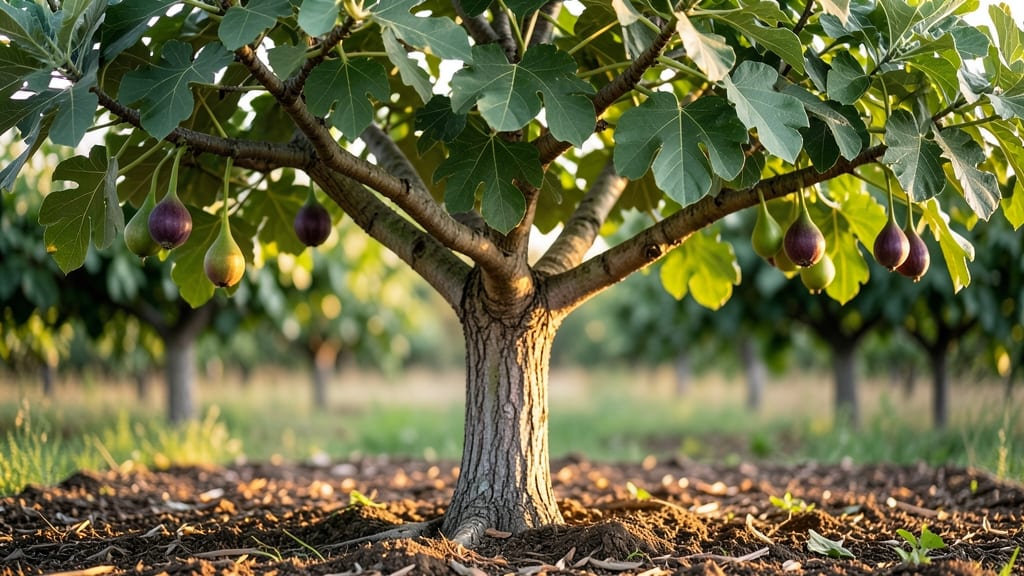
A fig tree can grow up to 30 feet tall—taller than a two-story house—if left unchecked, but the right variety and care can keep it at a manageable height 🍈.
Dreaming of a towering fig tree shading your patio or even reaching the second story of your home? The height of a fig tree isn’t just about space—it’s a dance between variety, climate, and care.
Some varieties, like the 'Brown Turkey', can soar to 20 feet in ideal conditions, while dwarf types like 'Little Miss Figgy' stay under 10 feet. Whether you’re working with a small balcony or a sprawling garden, knowing how to manage growth is key.
In this guide, I’ll break down the height ranges by variety, the factors that push or limit growth, and the pruning secrets to keep your fig tree at your desired size—whether that’s a 6-foot patio centerpiece or a 30-foot shade provider.


Fig tree height by variety: from dwarf to sky-skimming giants
Fig trees are architectural marvels that can transform your garden into a Mediterranean oasis—but their mature heights vary dramatically depending on the variety. Some stay compact enough for containers, while others grow tall enough to shade an entire backyard.
If you're planning your landscape, knowing these height ranges will help you choose the perfect fig tree for your space.
I’ve grown figs for over a decade, and I’ve seen everything from dwarf varieties that barely reach my waist to monstrous giants that stretch toward the sky. The key to managing their height lies in selecting the right variety and understanding their growth habits.
Let’s dive into the staggering differences between fig tree varieties and what you can expect from each.
Pro Tip: Always check your local USDA hardiness zone before planting, as cold tolerance can also influence how tall your fig tree grows—some varieties simply won’t thrive in colder climates. For example, 'Chicago Hardy' can handle zone 5, while 'Brown Turkey' prefers zones 7-10.
| Variety | Mature Height | Growth Rate (First 3 Years) | Best For | Container-Friendly? |
|---|---|---|---|---|
| Little Miss Figgy | 8–12 ft | 2–4 ft/year | Small gardens, patios | ✅ Yes (15–20 gal) |
| Celeste | 10–15 ft | 3–5 ft/year | Medium spaces, espalier | ⚠️ Large container (30+ gal) |
| Brown Turkey | 20–30 ft | 4–6 ft/year | Large backyards, shade trees | ❌ No |
| Chicago Hardy | 15–25 ft | 3–5 ft/year | Cold climates, windbreaks | ⚠️ Large container (30+ gal) |
| Violette de Bordeaux | 12–18 ft | 2–4 ft/year | Ornamental gardens, espalier | ⚠️ Large container (25+ gal) |
| Desert King | 25–40 ft | 5–8 ft/year | Arid climates, desert landscapes | ❌ No |
| Osborn Prolific | 10–15 ft | 3–5 ft/year | High-yield fruit, containers | ✅ Yes (20+ gal) |
| Black Mission | 20–35 ft |
How climate and care determine your fig tree’s ultimate heightYour fig tree’s height isn’t set in stone—it’s shaped by where you live, how much sun it gets, and the care you provide. In USDA Zone 8 or warmer, a standard fig tree like the Brown Turkey can soar to 20-30 feet, while in cooler Zone 6, even hardy varieties like Chicago Hardy may max out at 12-15 feet. The difference? Climate dictates growth speed, sunlight fuels expansion, and your pruning choices either accelerate or cap that towering potential. Soil quality plays a surprising role too—poor drainage or compacted soil stunts root development, limiting height gains. Meanwhile, well-amended soil with compost or sand lets roots spread deeper, supporting taller growth. Even container-grown figs (like Little Miss Figgy) can hit 8-12 feet if given enough space, but their height is often self-regulated by pot size. Let’s break down the science behind these limits—and how to work with them.
Let’s talk sunlight first—this is the #1 growth accelerator for fig trees. In full sun (6+ hours daily), a Brown Turkey can add 3-5 feet per year until it hits maturity. But move it to partial shade (3-4 hours sun), and that same tree might only reach 10-12 feet total. The reason? Sunlight triggers auxin hormones, which drive vertical growth. Shade-starved trees focus energy on leaf production instead of height. Your USDA zone then acts like a growth governor. In Zone 10, where winters rarely dip below 30°F, fig trees grow unrestricted—think 25-30 feet for Desert King varieties. But in Zone 6, even cold-hardy Chicago Hardy trees may only hit 12 feet unless you protect the roots with mulch or winter wraps. The colder the zone, the more the tree’s energy goes into survival rather than height. Don’t underestimate soil quality either—it’s the hidden height controller. Fig trees hate soggy roots, so poor drainage forces them to grow shallow, capping height at 10-15 feet. Amend your soil with compost and perlite to create a well-aerated environment, and you’ll see roots dive deeper, supporting taller trunks. Pro tip: Test your soil’s pH (6.0-7.0 ideal)—acidic or alkaline extremes stunt growth by 20-30%. Finally, your pruning habits are the ultimate height dial. No pruning = unchecked vertical growth (imagine a 20-foot tree in your 6-foot backyard!). But aggressive winter pruning—cutting back 1/3 of the canopy—can shrink a 15-foot tree to 8 feet in one season. The key? Prune after harvest (late fall) to remove upward-growing branches while keeping the lower scaffold branches intact. This redirects energy to width over height. |