
Size
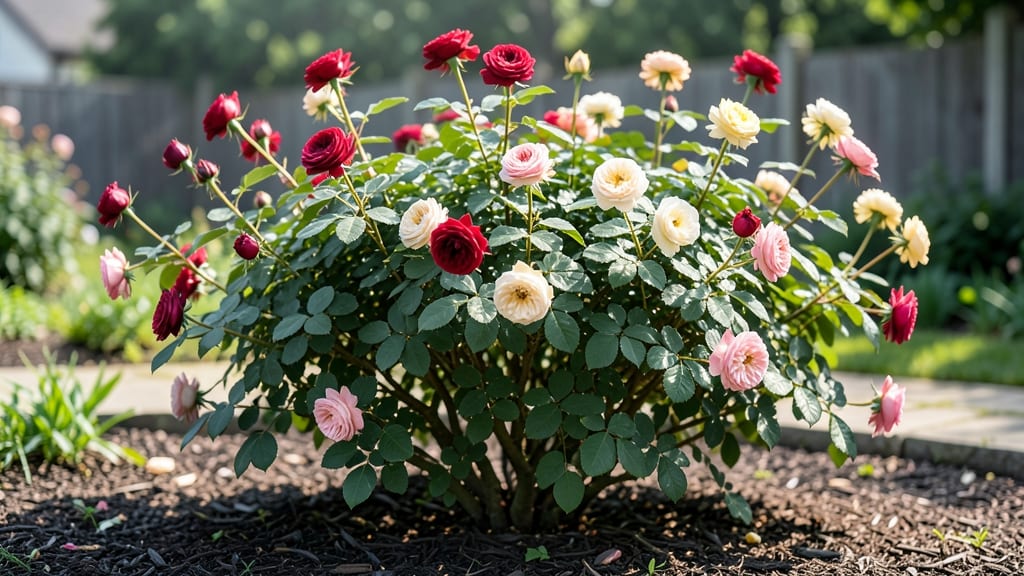
A rose tree’s mature size depends entirely on its variety—some stay compact at 2 feet, while others climb to 20 feet if left unchecked.
If you’ve ever dreamed of growing roses but worried about them outgrowing your space, you’re not alone. Many gardeners struggle with controlling rose bush size, especially in containers. The good news?
With the right pruning techniques, you can keep your 🌹 rose tree at your ideal height—whether you want a compact 2-foot bush or a manageable 6-foot climber.
Standard roses typically reach 5-8 feet at maturity, while dwarf varieties stay between 1.5-3 feet. Climbing roses, on the other hand, can stretch up to 20 feet if given the right support.
Knowing your rose’s growth habits is the first step to managing its size—especially in small gardens or containers where space is limited.
In this guide, I’ll break down how different rose types grow, share pruning secrets to control height, and help you pick the perfect variety for your garden—no matter how much space you have.
Natural height ranges for different rose types: what to expect before pruning
Understanding natural height ranges for roses is the first step to managing their growth effectively. Roses aren't one-size-fits-all—some varieties grow like towering trees, while others stay as compact as a dinner plate.
The key difference lies in their genetic growth habits, which determine whether you'll need a trellis or can tuck them into a container garden. For example, a climbing rose might reach 15-20 feet if left unchecked, while a miniature rose stays under 2 feet tall.
Choosing the right rose type for your space is crucial. If you have limited room—like a balcony garden or small yard—opt for dwarf varieties or patio roses, which rarely exceed 3 feet. These are perfect for container gardening because they won’t outgrow their pots.
On the other hand, if you have a fence or trellis to support them, climbing roses can add dramatic vertical interest to your landscape.
Here’s what you need to know about mature rose heights before you start pruning—or even before you plant. This summary-table breaks down the most common rose types, their typical heights, and the space they’ll need to thrive.
Step-by-step pruning guide to control rose tree height in containers
Container-grown roses can quickly outgrow their pots if left unchecked, but strategic pruning keeps them at your desired height while encouraging lush blooms. The key is understanding season-specific cuts and using the right tools for clean, precise trims.
Whether you're working with a dwarf rose or a climbing variety, container constraints demand extra attention to airflow and root space.
Before you begin, gather your tools: bypass pruners for clean cuts, sterilized shears to prevent disease, and a sharp knife for stubborn stems. Containers limit root growth, so pruning isn’t just about height—it’s also about maintaining the plant’s overall health and preventing overcrowded roots.
Start by removing any dead, diseased, or crossing branches to improve airflow and reduce stress on the plant.
Seasonal Pruning Calendar for Container Roses
- 1 Early Spring (March-April): Prune back 1/3 of last year’s growth to encourage new, vigorous shoots. Focus on removing weak or leggy stems and open the center for better light penetration.
- 2 Late Spring (May-June): Light pruning to remove spent blooms and shape the bush. Cut just above a healthy outward-facing bud to maintain a compact form. This is also when you adjust height by trimming top growth if needed.
- 3 Summer (July-August): Deadhead faded blooms regularly to redirect energy to new growth. Avoid heavy pruning—focus on light shaping and removing any suckers growing below the graft union. Containers dry out faster, so water thoroughly after pruning.
- 4 Early Fall (September-October): Prune to remove damaged or diseased wood and thin out crowded branches. Reduce height by 20-30% to prepare for winter. Avoid heavy cuts that stimulate new growth before frost.
- 5 Winter (November-February): No pruning needed! Roses are dormant. Instead, focus on container maintenance, like checking drainage holes and protecting pots from freezing temps with mulch or burlap wraps.
For container-specific adjustments, pay attention to the root ball. If your rose is root-bound (roots circling the pot), prune back 10-20% of the foliage to balance the plant’s energy.
This encourages new root growth and prevents stress. Always use sterilized tools to avoid introducing pathogens, especially in confined container spaces where airflow is limited.
Pro tip: Use a 45-degree angle when cutting stems to prevent water from pooling on the cut, which can lead to rot. For climbing roses in containers, prune to maintain a 6-foot height by removing the longest canes first.
This keeps the plant manageable while still allowing for vertical growth along trellises or cages.
Finally, don’t forget to feed your roses after pruning. A balanced fertilizer like 10-10-10 applied in early spring and mid-summer will support new growth and blooms. With consistent pruning and care, your container roses will stay at your desired height while thriving in their compact space. 🌹✂️🪴