
Blooming
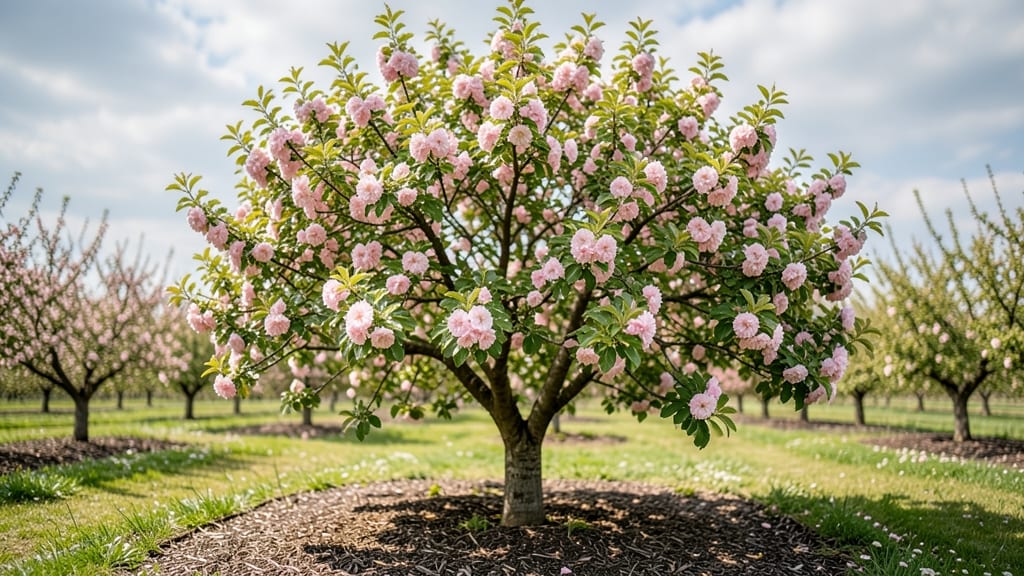
When Honeycrisp apple tree blossoms burst into rosy-pink clouds each spring, it’s nature’s most reliable sign that summer’s bounty is coming. 🌸 I’ve watched mine transform my yard from winter’s bare branches to a fragrant, pollinator magnet—though timing these blossoms right takes more than just patience.
The magic happens when daytime temperatures hit 50°F consistently, usually between late April and early May in most growing zones. But cold snaps can delay blooms, while warm winters might push them earlier—so keep an eye on your tree’s cues.
Pruning in late winter (before buds swell) opens the canopy to sunlight, which triggers those showy blossoms to form. Once they appear, protect them from late frosts with row covers or even a sprinkler setup—frost-damaged blossoms mean fewer apples later.
And plant a second Honeycrisp variety nearby (like ‘Zestar!’) to ensure cross-pollination, because those bees won’t do the work alone. The payoff? By midsummer, you’ll be harvesting crisp, sweet Honeycrisp apples straight from your tree—worth every bit of springtime attention.
📚 In This Guide
- What you need
- Instructions
- Tips and common mistakes
- Wrapping up and next steps
What you need
- ● Honeycrisp apple tree sapling: 1 (bare-root or potted, dwarf, semi-dwarf, or standard size—choose based on space). Look for certified disease-resistant varieties!
- ● Planting site: Full sun (6+ hours/day), well-draining soil with a pH of 6.0–7.0. Test your soil if unsure!
- ● Organic compost or aged manure: 5–10 gallons to enrich planting soil.
- ● Slow-release fertilizer: 10–20 lbs (e.g., 10-10-10 or apple-specific blend).
- ● Mulch: 2–3 inches of wood chips or straw to retain moisture and suppress weeds.
- ● Drip irrigation or soaker hose: 50+ feet (for consistent watering).
- ● Pruning tools: Bypass pruners (for small branches)
- ● Loppers (for thicker branches)
- ● Hand saw (for stubborn limbs)
- ● Garden gloves (heavy-duty, for thorny branches!)
- ● T-posts or stakes + tree ties (to support young trees in windy areas).
- ● Pest control: Neem oil spray (organic option)
- ● Horticultural oil (for overwintering pests)
- ○ Bird netting (optional, to protect blossoms from hungry critters!).
- ● Pollination-friendly plants: 1–2 companion plants (e.g., comfrey or bee balm) to boost fruit set.
Step-by-Step guide to encouraging stunning Honeycrisp apple tree blossoms
Here's how to coax those fragrant, show-stopping blooms from your Honeycrisp tree—spring's most rewarding sight.
🌱 Step 1: Prune for Optimal Airflow and Light Exposure
Prune your Honeycrisp tree in late winter or early spring, just before buds swell. Remove any dead, diseased, or crossing branches first—these compete with blossoms for energy. I always look for branches growing inward or rubbing against others; these get the first cut. Use sharp pruners to make clean cuts at a 45-degree angle just outside the branch collar.
Next, thin out dense areas to improve airflow—this prevents fungal diseases that can rot blossoms before they open. Aim to maintain an open center that lets sunlight reach all branches. You'll know you've done well when you can see light filtering through the canopy to the ground below. For a mature tree, expect to remove about 20-30% of the total branches during this process.
☀️ Step 2: Provide Full Sun and Consistent Watering
Honeycrisp trees need 6-8 hours of direct sunlight daily for robust blossoming. If your tree isn't getting enough, prune nearby shade trees or consider transplanting if possible. The more sunlight the tree receives, the more energy it can devote to flower production. I always check sunlight exposure in late winter when days are shortest—this tells me if I need to adjust pruning or positioning.
Water deeply once a week during dry spells, ensuring moisture reaches 12-18 inches below the soil surface. The key is consistency—alternating between drought and saturation stresses the tree and reduces blossom quality. You'll know watering is sufficient when the soil feels moist but not soggy at 6 inches down. Mulch around the base with 2-3 inches of organic material to retain moisture and regulate soil temperature.
💧 Step 3: Apply Balanced Fertilizer at the Right Time
Feed your Honeycrisp tree with a 10-10-10 or 20-20-20 balanced fertilizer in early spring as buds begin to swell. This timing ensures the tree has nutrients for both blossom development and fruit formation. I always split the recommended dose into two applications—half in early spring and the remainder after petal fall. Avoid high-nitrogen fertilizers; they encourage leafy growth at the expense of flowers.
For established trees, use ½ to 1 pound of fertilizer per 1 inch of trunk diameter. Work the fertilizer into the top 6 inches of soil around the drip line (the area directly under the tree's branches). Water thoroughly after applying to help nutrients penetrate the root zone. You'll see healthy new growth and abundant blossoms as a response to proper fertilization.
⏰ Step 4: Protect Blossoms from Late Frosts and Pests
Honeycrisp blossoms are particularly vulnerable to late spring frosts, which can damage or kill flowers before they open. Monitor your local frost forecast and be ready to protect your tree if temperatures drop below 28°F. I use row covers or frost cloth draped over the tree when frost is predicted. Secure the edges tightly to prevent wind damage and remove covers as soon as temperatures rise above freezing.
Keep an eye out for common pests like apple blossom weevils and codling moths, which can devastate blossoms and young fruit. Apply neem oil or insecticidal soap as a preventive spray in early spring, reapplying every 7-10 days until blossoms fade. You'll know your efforts are working when you see bees and other pollinators actively visiting the blossoms without signs of pest damage.
🌿 Step 5: Thin Fruit After Blossoming for Quality Harvests
Once blossoms have fallen and tiny fruit begins to form, thin the crop to ensure the remaining apples reach full size and sweetness. Remove 50-75% of the fruit, targeting smaller or misshapen apples first. This might seem harsh, but it's essential—overcrowded fruit leads to smaller, lower-quality Honeycrisp apples. I always thin in stages: first when fruit is ½ inch in diameter, then again when it's 1 inch to adjust for any missed spots.
Thinning also improves airflow, reducing the risk of fungal diseases like apple scab. You'll know you've thinned correctly when you can see 4-6 inches of space between apples on the branch. This spacing allows each apple to develop the signature crisp texture and complex flavor that Honeycrisp is famous for.
Tips & tricks for perfect Honeycrisp apple tree blossoms
Transforming your Honeycrisp tree into a fragrant spring spectacle starts with these essential insights that make all the difference.
Pruning Precision: When pruning in Step 1, focus on creating an open vase shape rather than just removing dead branches. The goal is to eliminate any branches that grow toward the center of the tree—these compete for sunlight and nutrients that could otherwise fuel blossoms. I've found that using a small mirror or flashlight to inspect hard-to-see areas reveals hidden crossing branches you might miss otherwise. This careful approach ensures every blossom has the best chance to thrive.
Sunlight Strategy: The 6-8 hours of direct sunlight mentioned in Step 2 isn't just about quantity—it's about quality. Position your tree to receive morning sun and afternoon shade if possible, as intense afternoon sun can stress blossoms. I've noticed that trees receiving consistent morning light produce more vibrant blossoms with deeper fragrance. Consider installing a temporary shade cloth during peak summer months if your tree shows signs of heat stress.
Fertilizer Timing: The two-part fertilization approach in Step 3 is crucial for blossom development. The first application in early spring kickstarts growth, while the second after petal fall ensures the tree has energy for fruit development. I recommend using a slow-release fertilizer for the second application to provide steady nutrients throughout the growing season. This prevents sudden growth spurts that can divert energy away from blossom production.
Frost Protection: When preparing for potential frosts below 28°F in Step 4, don't wait until the last minute to cover your tree. Set up your frost protection materials (like row covers) in advance and keep them handy. I've learned this the hard way—once, I rushed to cover my tree and the wind blew the cover off before securing it properly. Having everything ready to go at a moment's notice makes all the difference when cold fronts arrive unexpectedly.
Pro Tips for Honeycrisp Apple Tree Blossom
- Transforming your Honeycrisp tree into a fragrant spring spectacle starts with these essential insights that make all the difference.
- Pruning Precision: When pruning in Step 1, focus on creating an open vase shape rather than just removing dead branches.
- Sunlight Strategy: The 6-8 hours of direct sunlight mentioned in Step 2 isn't just about quantity—it's about quality.
Frequently asked questions
Got questions about those stunning Honeycrisp apple tree blossoms? You’re not alone! Here are the most common queries—and straightforward answers—to help you make the most of your tree’s springtime spectacle.
When do Honeycrisp apple tree blossoms appear?
Timing depends on your climate, but Honeycrisp blossoms typically burst forth in late April to early May in most U.S. regions. Warmer areas (Zones 5-8) may see blooms as early as March, while colder zones might delay until May. Watch for bud swell—when buds look like tiny green peas, blossoms are just days away!
How long do the flowers last, and what happens next?
Honeycrisp blossoms are ephemeral: they last about 7–10 days before falling, leaving behind tiny green apples. After pollination (thanks to bees!), flowers drop, and fruit sets in 4–6 weeks. Pro tip: If blooms fall without fruit, your tree may need cross-pollination—plant a second variety like Galaxy or Fuji nearby!
What if a late frost threatens my blossoms?
Frost below 28°F (-2°C) can damage blossoms, but Honeycrisp trees are moderately frost-resistant. Cover young trees with frost cloth or use row covers if frost is forecasted. For mature trees, water deeply the night before to help roots insulate the tree. Act fast—blossoms are most vulnerable at dawn!
Can I prune my Honeycrisp tree during blossom season?
Hold off on major pruning! Prune after blossoms fall (late May–June) to avoid stressing the tree. Light deadwood removal is fine, but skip heavy cuts—you’ll risk stunting fruit production. Focus on shaping in dormant season (winter) for best results.
Are Honeycrisp blossoms edible or useful?
While not edible (they’re bitter and astringent), Honeycrisp blossoms are bees’ favorite! Their fragrance attracts pollinators, boosting fruit set. You can use them in herbal teas or floral arrangements—but save the real magic for the apples!
Why are my Honeycrisp blossoms sparse or missing?
Sparse blooms often signal stress—check for overwatering, poor soil, or nutrient deficiencies (like nitrogen). Young trees or those recovering from disease may bloom lightly. Fix it: Test soil pH (ideal: 6.0–7.0), fertilize with balanced 10-10-10, and ensure 6+ hours of sunlight. Patience helps—trees often rebound!
Wrapping up and next steps
The Honeycrisp apple tree’s fragrant blossoms aren’t just a sign of spring—they’re a promise of sweet rewards to come! 🌸 From selecting the right variety to nurturing your tree through every stage, this guide has given you the tools to cultivate beauty and bounty.
Now, take that excitement and turn it into action.
Your next step? Plant your tree—whether in your backyard, community garden, or even a cozy container. Watch those blossoms unfold, and soon, you’ll be savoring the crisp, juicy Honeycrisp apples you’ve grown with your own hands. Happy growing! 🌱