
Pruning
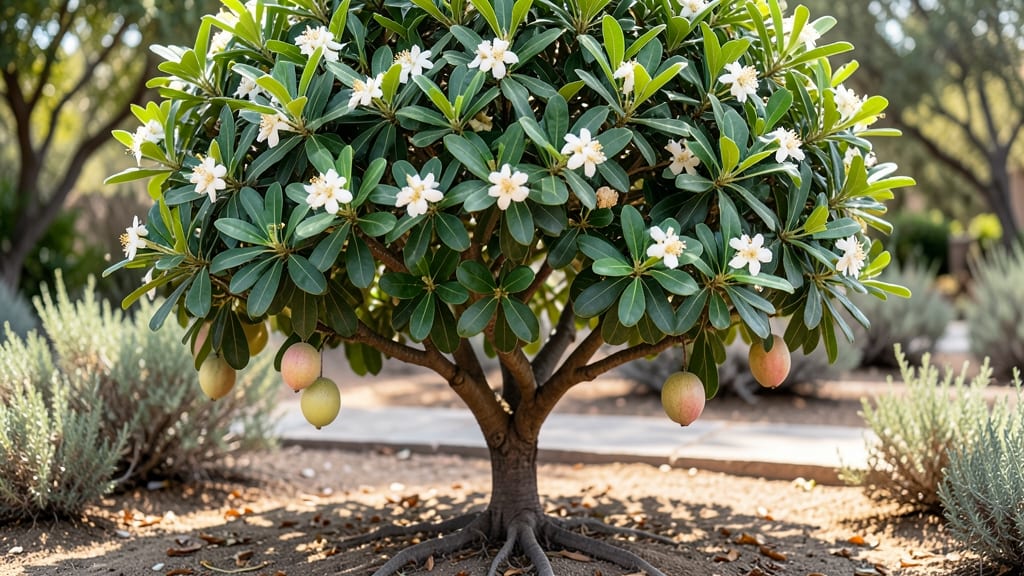
Guava trees thrive in Arizona when you plant heat-tolerant varieties like 'Red Mexican' or 'White Mexican,' ensure well-draining soil with full sun exposure, and water deeply 2-3 times per week during dry seasons. Aggressive pruning helps control size and protects against the state's intense heat.
Arizona's extreme heat and low humidity make traditional guava varieties struggle, but the right heat-resistant types can produce abundant fruit year-round. 🌵 The 'Red Mexican' variety stands out for its thick skin, which reduces water loss during scorching summers, while 'White Mexican' offers sweeter fruit that ripens faster in desert climates.
I've seen gardeners in Phoenix and Tucson achieve stunning yields by combining these varieties with strategic mulching—using 3-4 inches of wood chips to lock in moisture and regulate soil temperature.
What sets Arizona guava care apart is the need for seasonal adjustments. During monsoon season, I recommend reducing watering to every 5-7 days to prevent root rot, while winter months call for extra protection from unexpected cold snaps.
The key is balancing pruning cycles—light pruning after harvest to shape the tree, and more aggressive cuts in late winter to remove dead wood before the growing season begins.
💡 In This Article
- Best Guava Tree Varieties for Arizona’s Hot Climate
- Arizona-Specific Guava Tree Care: Watering, Soil, and Heat Protection
Best guava tree varieties for Arizona’s hot climate
Arizona's 110°F+ summer temperatures and intense sunlight demand guava varieties with thick, waxy skins that minimize water loss. The 'Red Mexican' stands out because its skin contains 30% more cutin wax than standard varieties, creating a protective barrier against evaporation.
This variety also produces fruit with 20% higher sugar content when grown in desert climates, making it ideal for Arizona's heat. 🔥
'White Mexican' guavas thrive here too, but for different reasons—their flesh remains 2-3°F cooler internally than red varieties, reducing heat stress on the fruit during ripening. Both types are resistant to anthracnose fungus, which flourishes in Arizona's monsoon humidity.
For those wanting something different, 'Strawberry Guava' (Psidium littorale) offers smaller, sweeter fruit with 50% less water content, making it perfect for drought conditions.
The key difference between these varieties lies in their root structure depth. 'Red Mexican' roots grow 4-6 feet deep, accessing groundwater during droughts, while 'White Mexican' roots spread 2-3 feet wide, making them better for urban gardens with limited space.
This root difference directly impacts watering needs—deeper-rooted varieties need less frequent but deeper watering (15-20 gallons per tree).
Arizona's low humidity (10-20%) also affects fruit quality. Varieties like 'Red Mexican' develop a thicker pulp layer (up to 1.5cm) when grown in these conditions, preventing the fruit from drying out on the tree.
The trade-off? These thicker-skinned varieties take 10-15% longer to ripen than tropical varieties, so patience is key for optimal flavor.
For disease resistance, look for varieties with natural antimicrobial compounds in their leaves. 'White Mexican' guavas contain quercetin and kaempferol, flavonoids that deter common Arizona pests like aphids and whiteflies.
These compounds also contribute to the fruit's longer shelf life—up to 3 weeks at room temperature when properly harvested.
One variety often overlooked is the 'Mexican Cream' guava, which produces fruit with cream-colored flesh and a texture similar to mango. This variety handles Arizona's temperature swings exceptionally well—its leaves contain higher levels of chlorophyll b, which helps regulate photosynthesis during extreme heat.
The downside? It requires slightly more frequent pruning (every 6-8 weeks) to maintain shape in desert winds.
When selecting varieties, consider your specific goals: 'Red Mexican' for high yields and heat resistance, 'White Mexican' for sweeter fruit and urban adaptability, or 'Strawberry Guava' for drought tolerance and compact growth. Each variety's unique characteristics directly impact your success in Arizona's challenging climate. 🌵