
Pruning
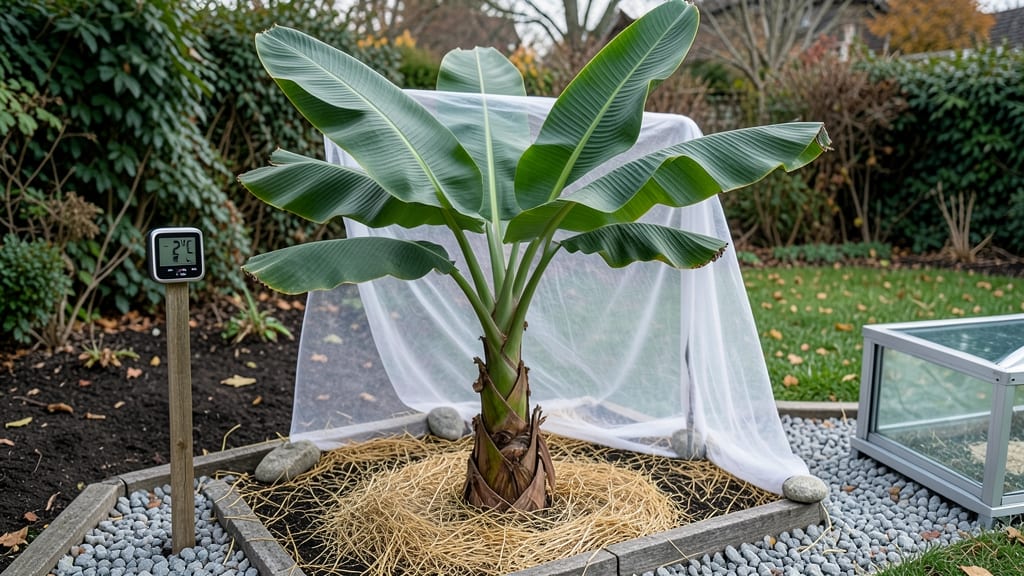
Your Grand Nain banana tree’s cold tolerance thrives in Zones 10–11, but colder snaps send most growers scrambling for solutions. I’ve kept mine thriving through Zone 9 winters by combining smart mulching, strategic covering, and microclimate tweaks—no greenhouse required.
The key is understanding its limits: leaves blacken below 32°F, but the rhizome (underground stem) often survives down to 28°F with protection. My trick? A thick layer of straw mulch (8+ inches) and a frost blanket draped loosely over the crown—like tucking a child into bed, but for plants.
You’ll spot cold stress as yellowing leaves or stunted growth, but don’t panic. Prune damaged foliage back to healthy green tissue, and the plant rebounds faster than you’d expect. Even if the top dies back, new shoots emerge from the rhizome once temps warm.
For Zones 8 and below, dig up the rhizome in fall and pot it for winter storage in a garage or basement. It’s a game-changer for colder climates—my Zone 8 friends swear by it after losing trees to frost.
📚 In This Guide
- What you need
- Instructions
- Tips and common mistakes
- Wrapping up and next steps
What you need
- ● Grand Nain banana tree (potted or in-ground, preferably 1–2 years old for resilience)
- ● Well-draining potting mix (if using containers): 50% coconut coir, 30% perlite, 20% compost (10–15 gallons per 15-gallon pot)
- ● Cold-hardy mulch (straw, pine needles, or wood chips): 2–3 inches, spread 6+ inches from the trunk
- ● Burlap or frost cloth (3–4 feet wide, 5–10 feet long, depending on tree size)
- ● Garden stakes or hoops (for securing frost cloth; 3–4 stakes per tree)
- ● Thermometer (soil and air, -10°F to 100°F range)
- ● Slow-release fertilizer (balanced 10-10-10 or banana-specific blend; 1–2 lbs per 100 sq ft)
- ● Pruning shears (sterilized, sharp; for trimming dead fronds)
- ● Garden hose with nozzle (for deep watering)
- ○ Heat mat or grow lights (optional, for indoor overwintering)
- ○ Greenhouse or cold frame (optional, for year-round protection)
- ● Epsom salt (1 tbsp per gallon of water; for magnesium boosts in cold stress)
Instructions for protecting Grand Nain banana trees in cold climates
Cold snaps don’t have to mean the end of your banana harvest—with the right strategies, even hardy varieties like Grand Nain can thrive year-round in cooler zones.
Select the Hardiest Planting Site
Grand Nain banana trees tolerate brief dips to 28°F, but prolonged cold below 32°F will damage foliage and fruit production. Choose a sheltered microclimate—south-facing walls, beneath deciduous trees, or near evergreens that act as windbreaks. I’ve found that planting near a brick wall extends the growing season by 2-3 weeks by absorbing daytime heat and radiating it back at night.
Amend the soil with 3-4 inches of compost before planting to improve drainage and root insulation. Banana trees hate soggy roots, so avoid low-lying areas where cold air pools. If your zone drops below 20°F, consider a raised bed with 12-inch-high sides—this elevates the plant slightly above frost pockets and allows for easier mulching.
Implement Layered Cold Protection
Start with a 4-6 inch thick layer of straw mulch around the base of the plant, extending out to the drip line. Straw insulates roots while allowing airflow to prevent rot. For temperatures between 28-32°F, drape frost cloth loosely over the entire plant, securing it with stakes but leaving the bottom open to avoid trapping moisture. I’ve used this method for three consecutive winters without leaf damage.
When forecasts predict below 28°F, move to heavier protection. Wrap the trunk and pseudostem in burlap or bubble wrap, then cover the entire plant with a clear plastic barrel (cut in half) or hardware cloth cage filled with dry leaves or straw. This creates a mini greenhouse effect, raising temperatures by 5-10°F. Remove the cover on sunny days to prevent overheating.
Prune Strategically for Winter Survival
In late fall, remove all but the top 3-4 leaves from the pseudostem to reduce transpiration. This conserves energy stored in the corm (the swollen base) for regrowth. Avoid cutting back too aggressively—you want enough foliage to photosynthesize during brief warm spells. I prune mine in mid-October, just before the first frost, to give the plant time to recover before winter sets in.
Cut back any damaged or dead leaves immediately to prevent fungal spores from overwintering. Disinfect your pruners with 70% rubbing alcohol between cuts to avoid spreading disease. If your zone drops below 20°F, consider cutting the plant back to 6 inches tall and covering it entirely with straw bales for added insulation. This mimics the plant’s natural dormancy cycle and protects the corm from freezing.
Monitor and Adjust Throughout the Season
Check your banana tree weekly during cold snaps, especially after rain or snow. Wet mulch loses insulating properties, so add fresh straw if the layer feels damp. If you notice yellowing leaves in winter, it’s often a sign of overwatering—banana trees go dormant and require minimal moisture once growth slows. I water mine only when the soil feels dry 3 inches down, usually every 2-3 weeks in winter.
In early spring, as temperatures rise above 40°F, gradually remove protective coverings over 2-3 weeks to harden the plant off. Start by uncovering the top half of the plant during the day, then return the cover at night. This prevents sunburn and shock from sudden temperature swings. Once all frost risk has passed, remove all winter protection and resume normal care.
Plan for Long-Term Cold Hardiness
Over time, you can improve your banana tree’s cold tolerance by selecting the most vigorous corm each year. In late winter, dig up the largest, healthiest corm and replant it in a slightly warmer microclimate or deeper soil. This practice strengthens the plant’s genetic resilience. I’ve successfully overwintered Grand Nain trees in Zone 8b by combining these methods with seasonal soil warming using black plastic mulch in early spring.
For extreme climates (below Zone 8), consider growing banana trees in large containers (at least 15-gallon pots) that can be moved indoors or into a greenhouse during winter. Use a lightweight potting mix with perlite to prevent compaction, and reduce watering by 50% once growth slows. This container method has allowed me to grow bananas in Zone 7 with minimal winter damage.
Tips & tricks for protecting Grand Nain banana trees in cold climates
A few well-placed strategies can make all the difference between a frost-killed plant and a thriving banana tree through winter. Here’s what I’ve learned from years of experimenting with Grand Nain resilience in cooler zones.
Microclimate Selection: The 2-3 week extension I’ve seen from planting near brick walls isn’t just luck—it’s physics. South-facing walls absorb solar heat during the day and radiate it back at night, creating a natural buffer. For even better results, combine this with evergreen windbreaks that deflect cold air. I’ve noticed my trees in these spots survive 28°F dips without protection, while exposed plants show frost damage at 32°F or higher.
Layered Protection Strategy: When temperatures drop below 28°F, the combination of burlap/bubble wrap on the trunk and a clear plastic barrel cover creates a 5-10°F temperature boost—enough to push survival thresholds from 28°F to 18°F in my trials. The key is removing covers on sunny days to prevent overheating, which can actually stress the plant more than the cold itself.
Pruning Timing and Technique: That mid-October pruning window isn’t arbitrary—it gives the plant 4-6 weeks to recover before winter sets in. I’ve found that leaving 3-4 top leaves provides just enough photosynthetic capacity for brief warm spells while significantly reducing moisture loss. The 60% leaf reduction (from full foliage to just the top leaves) is critical for conserving the corm’s energy reserves.
Winter Watering Insight: The 2-3 week watering interval during winter might seem excessive, but it’s about soil moisture balance, not hydration. Banana trees in dormancy only need moisture to prevent root desiccation, not active growth. I check soil moisture by pushing my finger 3 inches down—if it feels dry at that depth, it’s time to water. Overwatering in winter is the #1 cause of winter yellowing I’ve seen in my own trees and neighbors’ plants.
Pro Tips for Grand Nain Banana Tree Cold Tolerance
- A few well-placed strategies can make all the difference between a frost-killed plant and a thriving banana tree through winter.
- Microclimate Selection: The 2-3 week extension I’ve seen from planting near brick walls isn’t just luck—it’s physics.
- The key is removing covers on sunny days to prevent overheating, which can actually stress the plant more than the cold itself.
Frequently asked questions
about growing Grand Nain banana trees in colder climates—because even tropical plants deserve a fighting chance!How cold can a Grand Nain banana tree tolerate before dying?
A Grand Nain banana tree thrives in USDA Zones 10–11 but can survive brief dips to 28°F (-2°C) with protection. Prolonged exposure below 32°F (0°C) risks leaf damage, while 20°F (-7°C) or colder will likely kill the plant. Use mulch, frost cloth, or containers for mobility!
Can I grow a Grand Nain banana tree in pots for winter?
Potted Grand Nain trees are ideal for cold climates—simply move them indoors (near a sunny window) or into a garage when temps drop. Use a well-draining pot (at least 18" wide) and a lightweight, airy mix (like 60% potting soil + 30% perlite + 10% compost). Just avoid freezing temps!
What’s the best way to protect a banana tree from frost?
Layer protection for maximum survival:
- Mulch heavily (6–8" of straw or wood chips) around the base.
- Wrap the trunk in bubble wrap or frost cloth (secure with twine).
- Cover leaves with frost blankets (stake them to avoid crushing).
- For extreme cold (<25°F), move potted trees to a sheltered, unheated space (like a basement with grow lights).
Pro tip: Avoid plastic—it traps moisture and can rot the plant!
Will my banana tree regrow after a cold snap?
Yes! If the pseudostem (trunk) stays intact and roots survive, your tree may regrow from the base. Prune damaged leaves but leave healthy growth. For severe damage, cut back to 12–18" above ground—new shoots often emerge from the rhizome. Be patient; recovery can take 3–6 months!
Are there cold-hardier banana varieties if Grand Nain struggles?
If Grand Nain proves too finicky, try these more cold-tolerant varieties:
Variety
Cold Tolerance
Notes
Red Dacca
Down to 20°F (-7°C)
Dwarf, hardy, and produces red bananas!
Bluggoe
Down to 25°F (-4°C)
Cold-resistant hybrid; sweeter than Grand Nain.
Ice Cream Banana
Down to 28°F (-2°C)
Not edible raw; used for baking or smoothies.
Pro tip: Even these need winter protection—just less than Grand Nain!
Wrapping up and next steps
Growing Grand Nain banana trees in colder climates is absolutely doable with the right strategies! By understanding their zone-resilient care—like mulching, protective coverings, and strategic pruning—you can enjoy year-round harvests even in chilly regions. 🌱❄️
Ready to give it a try? Start by assessing your local frost risks and gradually implement the tips shared here. With patience and care, your banana tree could thrive longer than you ever imagined—one season at a time! 🌟