
Pruning
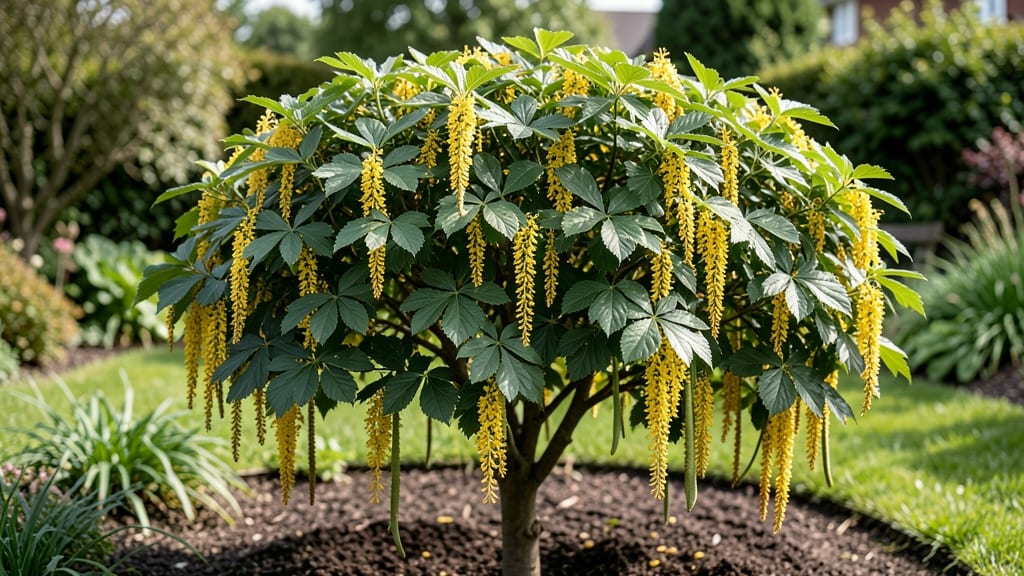
Your Goldcrest tree thrives when you match its care to its natural desert origins—drought tolerance, bright light, and minimal fuss. 🌵 I’ve learned the hard way that Goldcrests (Vachellia farnesiana) hate soggy soil and over-pruning, so the key is letting them grow boldly while guiding their shape with strategic cuts.
The result? A tree that stays lush, fragrant, and pest-resistant year after year, even in hot summers or mild winters.
Start with well-draining soil—mix sand or gravel into native dirt if yours holds water—and plant in full sun (at least 6 hours daily).
Water deeply once a week in summer, then taper to monthly in winter; Goldcrests store moisture in their thick branches, so overwatering kills them faster than drought. Feed lightly in spring with a balanced fertilizer (10-10-10), but skip heavy doses—they’re not hungry plants.
Pruning isn’t about shaping so much as cleaning up. Trim dead branches in late winter, then lightly shape in spring to open the canopy for airflow. Avoid heavy cuts—they stress the tree and attract pests.
With the right balance, your Goldcrest will reward you with bright yellow blooms in spring and glossy foliage that stays vibrant through heatwaves.
Watch for aphids or scale, which love Goldcrests’ sweet sap. A strong spray of water usually clears them—no need for chemicals. In colder zones, protect young trees with burlap wraps if temps dip below 20°F.
Once established, they’re tough as nails, but the secret is consistency: let them stretch their legs between prunings, and they’ll grow strong for decades.
📚 In This Guide
- What you need
- Instructions
- Tips and common mistakes
- Wrapping up and next steps
What you need
- ● Pruning shears: Bypass shears (for clean cuts on branches ≤ ½ inch thick) – 1 pair (sterilized with rubbing alcohol).
- ● Pruning saw: Curved-tooth saw (for thicker branches ≥ ¾ inch) – 1 (avoid rust—opt for stainless steel).
- ● Ladder: Aluminum extension ladder (20–30 ft, rated for your tree’s height) – 1 (with non-slip feet!).
- ● Gloves: Heavy-duty gardening gloves (cut-resistant, like Filson or Warrior Made) – 1 pair.
- ● Disinfectant: 70% isopropyl alcohol or bleach solution (1:9 ratio) – small bottle (to sterilize tools between cuts).
- ● Heavy-duty trash bags: 15–30 gallon – 2–3 bags (for debris disposal).
- ● Sharpie or pruning marker: Permanent marker – 1 (to label cuts if needed).
- ● Pole pruner: For high branches (extendable, 16–20 ft) – 1 (saves ladder time!).
- ● Tree wound dressing: Pruning sealant (like Tanglefoot Tree Wound Pruning Sealer) – small tube (controversial but useful for large wounds).
- ● Safety gear: Safety glasses + earplugs (if using a chainsaw for stubborn branches).
- ● Hose & spray nozzle: For post-prune hydration (gentle mist setting).
- ● Notebook & pen: To track pruning dates, branch notes, or tree health observations.
Seasonal trimming guide for a healthy Goldcrest tree
Here’s how to keep your Goldcrest thriving through every season with simple, effective pruning.
🌱 Step 1: Prune in Late Winter for Structure
Start your Goldcrest tree care in late winter, just before new growth begins. This is the best time to shape the tree and remove any dead, damaged, or crossing branches. Use clean, sharp pruning shears to make cuts at a 45-degree angle, about ¼ inch above a bud facing outward.
Focus on opening the canopy to allow sunlight and airflow to reach the center. Remove any branches that are rubbing against each other—these can create wounds that invite pests or disease. If you notice any weak or spindly growth, trim those back to encourage stronger new branches. This step sets the foundation for healthy growth all year.
☀️ Step 2: Light Pruning in Early Spring for Growth
Once your Goldcrest tree starts showing signs of new growth in early spring, do a lighter pruning to refine its shape. Look for any branches that grew too long or too close together during the previous season. Trim these back to just above a leaf node or bud to encourage bushier growth.
This is also the time to remove any suckers—those small, vigorous shoots that grow at the base of the tree. They compete with the main structure for nutrients and can weaken the tree if left unchecked. Use a small pruning saw for thicker branches and your shears for thinner ones. Avoid over-pruning; you want to maintain about 20-30% of the tree’s foliage to keep it healthy.
✂️ Step 3: Summer Maintenance for Health
During the summer months, your focus shifts to maintaining the tree’s health rather than heavy pruning. Remove any dead or diseased branches as soon as you spot them to prevent the issue from spreading. Also, trim back any overly vigorous growth that might be shading the inner branches too much.
Watch for signs of stress, like yellowing leaves or wilting branches. If you notice these, it might be a sign of overwatering, underwatering, or pests. Adjust your care routine accordingly—Goldcrest trees prefer well-draining soil and moderate watering, about 1-2 inches per week, depending on your climate. Keep an eye out for pests like aphids or spider mites, and treat them promptly if they appear.
🍂 Step 4: Fall Cleanup for Winter Prep
As the seasons change and fall arrives, do a final pruning to prepare your Goldcrest tree for winter. Remove any dead, diseased, or weak branches to reduce the risk of winter damage. You can also lightly shape the tree to maintain its form, but avoid heavy pruning this time of year—it can stimulate new growth that won’t harden off before cold weather sets in.
Clean up any fallen leaves or debris around the base of the tree to prevent pests and diseases from overwintering. Mulch lightly around the base with 2-3 inches of organic mulch to protect the roots from freezing temperatures. This is also a good time to check the tree for any signs of disease or pest damage and treat it if necessary. With these steps, your Goldcrest will be ready to face winter strong and healthy.
Tips & tricks for pruning a healthy Goldcrest tree
These simple strategies will help you maintain your Goldcrest tree's health and beauty year after year.
Timing is Everything: Late winter pruning is critical because it targets dormant branches, allowing the tree to focus energy on new growth. I always prune just before buds swell—this prevents excessive bleeding from fresh cuts. In Step 1, when you're shaping the tree, focus on removing branches that are thicker than a pencil first, then work your way to smaller ones. This prevents over-stressing the tree.
Cutting Technique Matters: The 45-degree angle and ¼-inch spacing above buds in Step 1 aren't just suggestions—they're essential for proper healing. I've seen too many trees develop cankers from improper cuts. Use clean tools to avoid introducing diseases, and always make cuts just outside the branch collar (that swollen area where the branch meets the trunk). This natural barrier helps the wound seal faster.
Seasonal Adjustments: In Step 3 during summer maintenance, I recommend keeping a pruning log. Note which branches you remove and why—this helps you spot patterns. For example, if you're constantly trimming the same branches every summer, it might indicate a structural issue or pest problem that needs addressing. Also, summer is the time to do minimal pruning—focus only on removing dead or diseased branches to avoid stressing the tree when it's already working hard to grow.
Equipment Essentials: While the instructions mention pruning shears and a small pruning saw, I'd add a pair of gloves and a bucket of soapy water to your toolkit. Gloves protect you from thorns and sap, while the soapy water helps collect fallen debris and pests. For larger branches, consider renting a pole pruner—it makes reaching high branches much safer and more precise. Always sterilize your tools between cuts, especially when dealing with diseased branches.
Pro Tips for Goldcrest Tree Care
- These simple strategies will help you maintain your Goldcrest tree's health and beauty year after year.
- Timing is Everything: Late winter pruning is critical because it targets dormant branches, allowing the tree to focus energy on new growth.
- Cutting Technique Matters: The 45-degree angle and ¼-inch spacing above buds in Step 1 aren't just suggestions—they're essential for proper healing.
Frequently asked questions
Got questions about keeping your Goldcrest tree thriving? You’re not alone! Here are answers to the most common concerns—from pruning timing to troubleshooting—so you can enjoy a lush, healthy tree year-round.
When is the best time to prune my Goldcrest tree?
The ideal time is late winter or early spring (before new growth starts) or summer after flowering. Avoid heavy pruning in fall—it can stress the tree before winter. Light shaping can happen anytime, but never prune in extreme cold (below 20°F).
How much can I trim without harming the tree?
Remove no more than 25-30% of the canopy in one session. Focus on dead, diseased, or crossing branches first. For shaping, aim for open centers to improve airflow. Over-pruning weakens the tree—think "less is more!"
Why are my Goldcrest leaves turning yellow or dropping?
Yellowing leaves often signal overwatering, underwatering, or nutrient deficiencies. Check soil moisture (it should be damp but not soggy). Yellow edges? Likely underwatering or salt buildup. Drop-off after pruning? The tree is adjusting—give it time. Fertilize lightly in spring if growth is slow.
Can I grow a Goldcrest tree in a pot, or does it need ground planting?
Goldcrest trees thrive in ground planting, but young trees can start in 5-gallon pots for 1–2 years. Use well-draining soil and a pot with drainage holes. Repot annually until transplanting. Container life is temporary—they’re happiest with root room to spread!
Are there alternatives to Goldcrest if I want a similar low-maintenance tree?
Yes! Consider these drought-tolerant, small-to-medium evergreens:
- Dwarf Alberta Spruce – Compact, cold-hardy, and deer-resistant.
- Emerald Green Arborvitae – Fast-growing with a neat shape.
- Littleleaf Boxwood – Great for hedges or topiary.
- Japanese Black Pine – Unique texture, thrives in poor soil.
Wrapping up and next steps
Caring for your Goldcrest tree is all about balance—pruning at the right times, providing proper nutrients, and staying attuned to its seasonal needs. With the right tools, techniques, and a little patience, you’ll reward yourself with a flourishing, vibrant tree that stays healthy year-round. 🌿
Ready to take the next step? Start small—pick one season to focus on first, whether it’s spring’s fresh growth or winter’s protective trimming. Soon, your Goldcrest will thrive, and you’ll be the proud gardener it deserves! 🌟