
Pruning
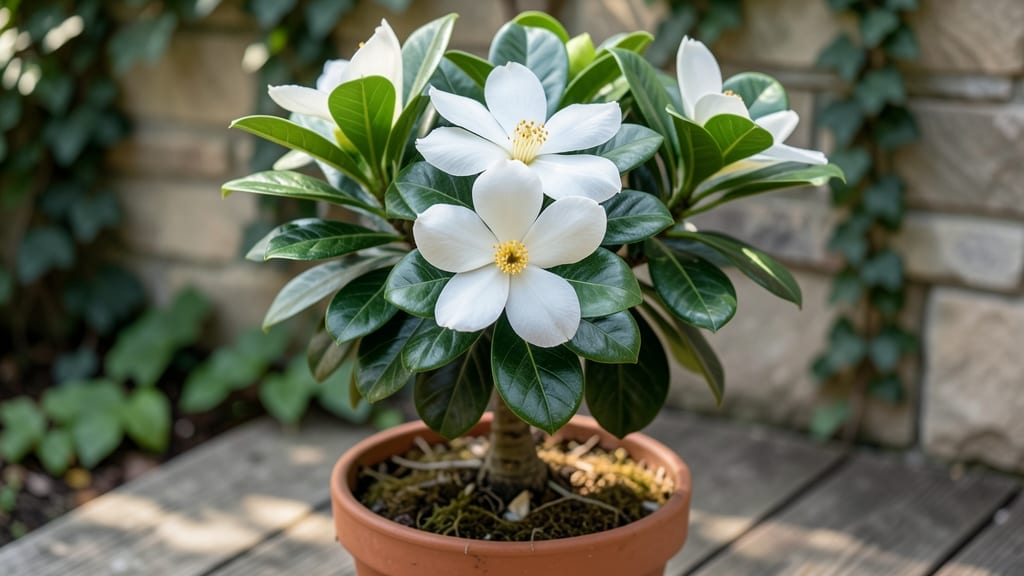
A gardenia tree in a pot transforms any patio into a fragrant paradise. 🌿 I’ve grown these glossy-leaved beauties for years, and the secret to their abundant blooms lies in the right container, soil, and pruning rhythm—especially when you’re limited to pots.
The first time I saw my gardenia burst into creamy-white blossoms in July, I knew I’d cracked the code for container culture.
You’ll need a pot with drainage holes (at least 12 inches in diameter), a well-draining potting mix, and a sunny spot that gets 4-6 hours of morning light—afternoon shade protects those delicate blooms from scorching.
Overwatering is the #1 killer, so let the top inch of soil dry out between waterings, and always use room-temperature water to avoid shocking the roots.
Pruning after each bloom cycle keeps your gardenia compact and encourages next year’s flowers. Snip spent blooms back to the nearest leaf node, and trim leggy growth in early spring to maintain shape.
With the right care, your potted gardenia will reward you with months of intoxicating fragrance—far stronger than any store-bought bouquet.
This method works for both patios and balconies, though you’ll need to bring it indoors before fall frosts if you live in colder zones. The key is consistency: same soil, same watering routine, and same pruning schedule every year.
Once you nail these basics, your gardenia will thrive in its pot for years—and your neighbors will ask how you do it.
📚 In This Guide
- What you need
- Instructions
- Tips and common mistakes
- Wrapping up and next steps
What you need
- ● Gardenia plant: Choose a healthy, container-friendly variety (e.g., Gardenia jasminoides or Gardenia augusta). Opt for a 1- to 3-gallon potted plant for beginners.
- ● Container: A 15- to 20-gallon pot with drainage holes (minimum 18" diameter for mature plants). Terracotta or fiberglass works best for heat retention.
- ● High-quality potting mix: Use a well-draining, acidic mix (pH 5.0–6.5). A blend of peat moss, perlite, and pine bark is ideal. Avoid garden soil!
- ● Slow-release fertilizer: A balanced, acidic fertilizer (e.g., 8-3-9 or 10-10-10 with micronutrients) designed for azaleas or camellias.
- ● Mulch: Pine bark fines or coconut coir (1–2 inches thick) to retain moisture and acidity.
- ● Pruning shears: Bypass pruners (sharp, clean, and sterilized) for precision cuts.
- ● Gloves: Garden gloves (nitrile or leather) to protect from thorns and sap.
- ● Trowel or spade: For repotting or amending soil.
- ● Watering can or hose with a gentle nozzle: Avoid overwatering—gardenias hate soggy roots!
- ○ pH test kit: Optional but helpful to monitor soil acidity.
- ● Epsom salt: A tablespoon per gallon of water monthly to boost magnesium (great for blooms!).
- ● Humidity tray: A pebble tray with water to increase moisture levels (gardenias love humidity!).
- ● Support stake or trellis: If your gardenia grows tall, a lightweight stake can help support branches.
- ● Misting bottle: For daily leaf misting in dry climates.
Step-by-step guide to growing a thriving gardenia in a pot
Here's how to coax those intoxicating blooms from a potted gardenia—my foolproof method for container culture.
🪴 Step 1: Select the Right Container and Drainage
Gardenias need room to grow, so choose a pot that's at least 18-24 inches wide with drainage holes—these plants hate soggy roots. I use glazed ceramic containers because they retain moisture better than plastic while still allowing airflow. The pot should be 2-3 inches deeper than the plant's root ball to accommodate growth.
Place a 2-inch layer of gravel or broken pottery in the bottom before adding soil. This creates a reservoir for excess water while preventing clogged drainage. If your pot lacks holes, drill a few yourself—gardenias will sulk and drop buds if their roots sit in water.
🌱 Step 2: Use Acidic, Well-Draining Soil Mix
Gardenias demand acidic soil (pH 5.0-6.5). I blend 50% peat moss, 30% perlite, and 20% pine bark fines to create a light, airy mix that mimics their native tropical conditions. Avoid garden soil—it's too alkaline and compacted for potted gardenias.
Fill the pot halfway with your mix, then place the plant so the top of the root ball sits 1 inch below the rim. This gives you room to water without spilling. Tap the pot gently to settle the soil around the roots, then add more mix until the root ball is covered but the plant sits level.
☀️ Step 3: Position for Bright, Indirect Light
Gardenias crave bright, indirect light—think morning sun with afternoon shade. A south- or east-facing window works best, but avoid harsh afternoon rays that scorch leaves. If you notice leaves turning yellow or crispy at the edges, your plant is getting too much direct sun.
Rotate the pot a quarter turn weekly so the plant grows evenly. You'll see new growth leaning toward the light—this is your cue to adjust placement. In winter, supplement with a grow light—keep it 12-18 inches above the plant for 12-14 hours daily.
💧 Step 4: Water and Feed for Continuous Blooms
Water when the top 1-2 inches of soil feel dry. Gardenias hate dry soil but despise soggy roots—stick your finger in the soil to check. Water thoroughly until it drains from the bottom, then empty the saucer to prevent root rot. I use rainwater or distilled water because tap water's chlorine and minerals can build up in the soil.
Feed every 4-6 weeks with an acid-loving plant fertilizer—I use a 10-10-10 blend diluted to half-strength during spring and summer. Stop fertilizing in fall and winter. If buds form but drop before opening, your plant needs more phosphorus—switch to a 5-10-10 formula for a few months.
✂️ Step 5: Prune for Shape and Encourage New Growth
Prune right after flowering to shape the plant and encourage bushier growth. Use clean, sharp shears to cut back one-third of the current season's growth. Focus on removing leggy stems and crossing branches—this improves airflow and reduces disease risk. Always cut just above a leaf node or outward-facing bud.
If your gardenia isn't blooming, it might need a hard prune—cut back all stems to 6-8 inches tall in late winter. This drastic measure forces new growth, but be patient—it may take 6-8 weeks for buds to form. Never prune in fall, as new growth won't harden off before winter.
Tips & tricks for perfect gardenia tree in pot
Here's what nobody tells you about keeping your potted gardenia thriving—and blooming—year after year.
Container Size Matters: That 18-24 inch pot isn't just a suggestion—it's essential. Gardenias develop extensive root systems that need room to spread. I've seen gardeners struggle with 12-inch pots where the plant becomes root-bound after just two years. If you're starting with a smaller pot, plan to upgrade within 12 months. The extra width prevents soil compaction and allows for proper drainage.
Soil pH Secret: The pH 5.0-6.5 range isn't just a number—it's critical for nutrient availability. I test my soil mix every few months with a simple pH meter. If it creeps above 6.5, I add a handful of sulfur to lower it. You can also mix in a bit of coffee grounds (used, not fresh) for a natural acidifier. The right pH prevents yellowing leaves and bud drop, which are common signs of soil stress.
Light Positioning: That quarter-turn weekly rotation isn't just about aesthetics—it's about preventing lopsided growth. Gardenias grow toward light sources, so if you notice all new growth on one side, it's time to adjust. For indoor gardeners, consider placing your plant near a window with adjustable blinds. In winter, when natural light is weaker, I move my grow light closer to 12 inches above the plant for those critical 12-14 hours of light.
Watering Wisdom: The finger test for soil moisture is your best friend. I like to insert my finger about 1-2 inches deep—if it comes out clean, it's time to water. The key is consistency: gardenias prefer slightly moist soil but will suffer from both overwatering and drought. In winter, when growth slows, you can extend the time between waterings to every 7-10 days. Always water until it drains from the bottom to prevent salt buildup from tap water minerals.
Pro Tips for Gardenia Tree In Pot
- Here's what nobody tells you about keeping your potted gardenia thriving—and blooming—year after year.
- Container Size Matters: That 18-24 inch pot isn't just a suggestion—it's essential.
- Soil pH Secret: The pH 5.0-6.5 range isn't just a number—it's critical for nutrient availability.
Frequently asked questions
Got questions about keeping your gardenia tree thriving in a pot?
Here are some of the most common ones—plus quick, practical answers to help you grow a fragrant, healthy plant with ease!
How often should I repot my gardenia tree in a container?
Repot your gardenia every 2–3 years or when roots circle the pot. Spring is the best time—avoid winter or summer stress. Choose a pot just 2–3 inches larger in diameter, with drainage holes. Pro tip: Use fresh, well-draining potting mix to prevent root rot.
When is the best time to prune a gardenia tree in a pot?
Prune right after flowering (late spring to early summer) to shape the tree and encourage new growth. Avoid heavy pruning in fall/winter—gardenias need time to recover. Use clean, sharp shears and sterilize them with rubbing alcohol to prevent disease. Troubleshoot: If buds fail to open, prune lightly to reduce stress.
Why aren’t my potted gardenia flowers opening, even with care?
Common culprits: low humidity, overwatering, or lack of sunlight. Gardenias thrive in 60–70% humidity—mist leaves or use a pebble tray. Ensure bright, indirect light (6+ hours/day) and water when the top 1–2 inches of soil dry out. Fix: Move to a sheltered spot if temps drop below 50°F.
Can I grow a gardenia tree in a pot indoors year-round?
Yes! But they need consistent warmth (65–75°F) and high humidity. Place near an east or south-facing window, and supplement with grow lights in winter. Rotate the pot monthly for even growth. Alternative: Move outdoors in summer for blooms, then bring back inside before frost.
What’s the easiest alternative to a gardenia for fragrant potted blooms?
Try jasmine (Trachelospermum) or stephanotis—both love containers and thrive in similar conditions (partial shade, well-draining soil). Plumeria is another tropical pick, but it needs more sunlight. Bonus: All three are low-maintenance and highly fragrant!
Wrapping up and next steps
Growing a gardenia tree in a pot is a rewarding journey that fills your space with intoxicating fragrance and lush beauty—with the right care and pruning precision! 🌿✨ Remember, these tropical gems thrive on consistency: bright, indirect light, well-draining soil, and regular trimming to shape their growth.
Don’t let challenges like yellow leaves or sparse blooms discourage you; adjust your approach, and you’ll soon enjoy a thriving potted gardenia that’s the envy of your neighbors.
Ready to take the next step? Start small: pick one pruning technique to master this season, or experiment with fertilizers to boost those blooms. Happy gardening—your fragrant oasis is waiting! 🌸💚