
Blooming
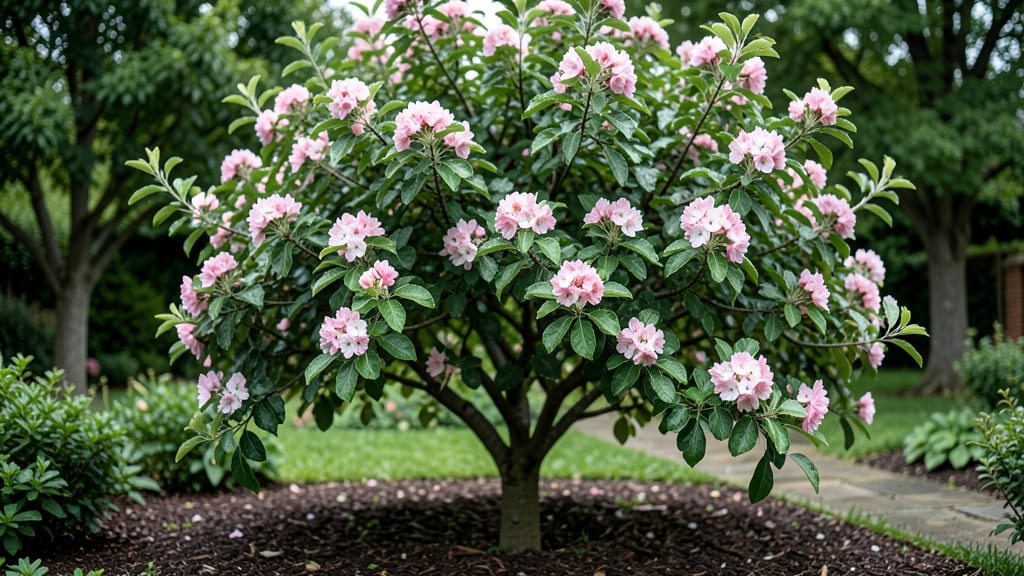
The Fuji apple tree bloom transforms your yard into a sea of pink perfection that promises the sweetest harvest of the season. 🌸 I'll never forget my first year watching those delicate blossoms unfurl—it's a moment that turns gardeners into hopeful dreamers, knowing summer's bounty is just months away.
This isn't just about pretty flowers; it's about setting the stage for hundreds of crisp, red-gold apples by late August. The key is timing—prune last fall, monitor frost risks in spring, and ensure proper pollination.
My Fuji trees now produce consistently heavy crops because I learned these secrets the hard way. You'll recognize healthy blooms by their vibrant color and sturdy stems, but watch for signs of frost damage or pests that can ruin fruit set.
A little preparation now means fewer headaches later and more apples to share (or can, or bake—though we're keeping this about the garden!). Whether you're in zone 5 or 8, these tips adapt to your climate. Let's get your Fuji tree ready for its star turn this spring!
📚 In This Guide
- What you need
- Instructions
- Tips and common mistakes
- Wrapping up and next steps
What you need
- ● Fuji apple tree saplings or bare-root trees: Choose disease-resistant varieties (e.g., 'Fuji' or 'Fuji Supreme'). Quantity: 1–3 trees for small gardens, 5+ for larger orchards.
- ● Well-draining soil: Test pH (ideal range: 6.0–6.5). Amend with compost or organic matter if needed.
- ● Fertilizer: Balanced 10-10-10 (spring planting)
- ○ High-nitrogen (e.g., 12-0-0) for early growth (optional, if soil lacks nutrients)
- ● Mulch: Wood chips or straw (2–3 inches deep) to retain moisture and suppress weeds.
- ● Pruning tools: Bypass pruners (for small branches)
- ● Loppers (for thicker branches)
- ● Saw (for large limbs, if needed)
- ● Tree supports: Stakes or cages (for young trees, 2–3 years old).
- ● Drip irrigation system or soaker hoses for consistent watering.
- ● Pest control: Neem oil (organic) or horticultural oil for early-season pests.
- ● Bloom enhancers: Epsom salt (1 tbsp per gallon of water, foliar spray) to boost flower health.
- ● Pollination aids: Bee-friendly plants (e.g., lavender, clover) nearby to attract pollinators.
- ● Seasonal care calendar: Mark bloom dates, pruning times, and harvest windows!
How to encourage perfect Fuji apple tree blooms
Here's how I coax stunning pink blossoms that lead to bountiful harvests—season after season.
☀️ Step 1: Provide the Right Winter Chill Hours
Fuji apple trees need 300-500 chill hours below 45°F to trigger perfect blooms. If you live in a mild climate, I recommend planting a dwarf variety that's more adaptable. Check your local frost dates and plant in late fall or early winter to maximize chill exposure.
Watch for bud swelling in early spring—that's your first sign the tree has satisfied its chill requirement. If buds stay dormant past late February, your tree may need a cold snap or supplemental chilling in a garage with open windows. Never force warmth too early; you'll break dormancy before the tree is ready to bloom.
🌱 Step 2: Prune for Airflow and Sunlight After Dormancy
Once buds begin swelling, prune to open the canopy and improve sunlight penetration. Remove dead, crossing, or inward-growing branches first—these compete for energy and block light. Use clean, sharp pruners to make 45-degree cuts just above an outward-facing bud.
Thin branches so sunlight reaches the center of the tree. You'll see new growth emerge within 2-3 weeks of pruning. If you notice buds drying out after pruning, you cut too late—always prune 2-3 weeks before bloom to avoid stressing the tree.
💧 Step 3: Water Deeply During Bud Break
When pink buds appear, water deeply once a week—1-2 gallons per inch of trunk diameter. Use a soaker hose or drip irrigation to avoid wetting leaves, which reduces fungal diseases like apple scab. The soil should be moist 6 inches deep but not soggy.
Here's the thing—Fuji trees bloom best when roots aren't waterlogged. If your soil drains poorly, add 2-3 inches of compost around the base to improve aeration. You'll see buds stay vibrant and firm if moisture is consistent.
✂️ Step 4: Thin Blooms for Larger Fruit
When flowers open fully, thin clusters to 3-5 blooms per spur (the small branch where flowers form). Use sterilized scissors to snip excess blooms at the base. This may seem cruel, but it ensures the remaining fruit gets maximum nutrients and sunlight.
Thin on a dry morning to avoid spreading disease. You'll know you've done it right when you see small green apples forming within 4-6 weeks. If you skip this step, you'll end up with hundreds of tiny apples instead of a few perfect ones.
🪴 Step 5: Protect Blooms from Late Frost
Fuji trees bloom late spring, making them vulnerable to frost. Cover the tree with frost cloth or row covers if temperatures drop below 28°F after buds open. Secure the fabric tightly to avoid tearing, and remove it as soon as temperatures rise to prevent overheating.
If frost hits, you'll see blackened or wilted petals—but don't panic. The tree often rebounds, and new blooms may emerge. For next year, plant near a south-facing wall or heat-reflecting surface to delay bloom time naturally.
Tips & tricks for perfect Fuji apple tree blooms
These little details make all the difference between a few scattered blossoms and a spectacular spring display.
Chill Hour Tracking: If you're in a mild climate where natural chill hours fall short, consider using a refrigerator or garage for supplemental chilling. Place the tree in a cardboard box with ventilation holes, then refrigerate for 10-12 hours per day until you've accumulated the needed 300-500 hours below 45°F. I've seen this work wonders for urban gardeners with limited winter cold.
Pruning Precision: When making those 45-degree cuts in Step 2, aim for a clean slice just above an outward-facing bud. This creates a natural growth pattern that opens the canopy beautifully. Pro tip: Use a sharp pruner—dull blades crush stems and invite disease. I always sterilize my tools with rubbing alcohol between cuts to prevent contamination.
Watering Wisdom: The 1-2 gallons per inch of trunk diameter measurement might seem abstract, so here's how to apply it: For a 3-inch trunk, that's 3-6 gallons weekly. Water slowly to let moisture penetrate deeply—think of it as giving your tree a long, satisfying drink rather than a quick shower. Early morning is ideal for watering, as it gives leaves time to dry before evening, reducing fungal risks.
Frost Protection Hack: If you're expecting a late frost after buds open, consider setting up a small fan near the tree. The gentle airflow raises temperatures just enough to protect blossoms. I've also had success with black plastic mulch spread around the base—it absorbs heat during the day and radiates it back at night. Just remember to remove it once temperatures stabilize above 28°F.
Pro Tips for Fuji Apple Tree Bloom
- These little details make all the difference between a few scattered blossoms and a spectacular spring display.
- Chill Hour Tracking: If you're in a mild climate where natural chill hours fall short, consider using a refrigerator or garage for supplemental chilling.
- Pruning Precision: When making those 45-degree cuts in Step 2, aim for a clean slice just above an outward-facing bud.
Frequently asked questions
Got questions about the stunning Fuji apple tree bloom? You’re not alone! Here are answers to the most common queries—from timing to troubleshooting—so you can make the most of this pink perfection.
When do Fuji apple trees typically bloom?
Fuji apple trees usually bloom in late spring, around April to early May, depending on your climate zone. Warmer regions may see earlier blooms, while cooler areas might delay them until May. Check your local frost dates—late frosts can damage blossoms, so be prepared with frost cloth if needed!
How long does the Fuji apple bloom last?
The vibrant pink Fuji apple blossoms last about 7–10 days, though peak beauty is usually 3–5 days. For the best photos or pollination, time your visits during this window. Pro tip: Plant a second variety (like Gala or Honeycrisp) nearby to cross-pollinate and boost fruit production!
What should I do if my Fuji tree’s blossoms freeze?
If frost hits during bloom, don’t panic! Cover young trees with frost cloth or blankets before sunset. Remove covers during the day to prevent overheating. Warning: Avoid plastic sheets—they trap moisture and can harm buds. Prune damaged branches after blooming to encourage new growth.
Can I still get apples if my Fuji tree doesn’t bloom?
Yes! While blossoms signal fruit, Fuji trees can produce some apples without full blooming, especially if they’re established. Thin fruit early to ensure larger, healthier apples. Bonus tip: If blooms are sparse, check for pests (like aphids) or nutrient deficiencies—fertilize with balanced 10-10-10 in early spring.
Are Fuji apple blossoms edible or useful?
While not typically eaten, Fuji blossoms are edible and add a mild, floral flavor to teas or salads! Steep a few in hot water for a fragrant herbal tea. Caution: Avoid blossoms sprayed with pesticides—rinse thoroughly if using from your tree. Plus, their beauty attracts pollinators, boosting your garden’s ecosystem!
Wrapping up and next steps
Witnessing the Fuji apple tree bloom is a true delight—those delicate pink blossoms aren’t just beautiful, they’re a promise of the sweet, crisp harvests to come! 🍎✨ Whether you’re a seasoned gardener or a curious beginner, embracing this seasonal spectacle is easier than you think.
Now that you’re armed with the right knowledge, why not take the next step?
🌱 Your Next Move: Plant or Plan!
- Plant a Fuji tree—give your garden (or balcony!) that magical touch of pink perfection.
- Visit a local orchard to admire blooms up close and maybe even pick a few apples later.
- Share the joy—tag us in your bloom pics or inspire others with your newfound expertise!
Ready to turn those blossoms into bounty? Your garden (and taste buds!) will thank you.