
How To
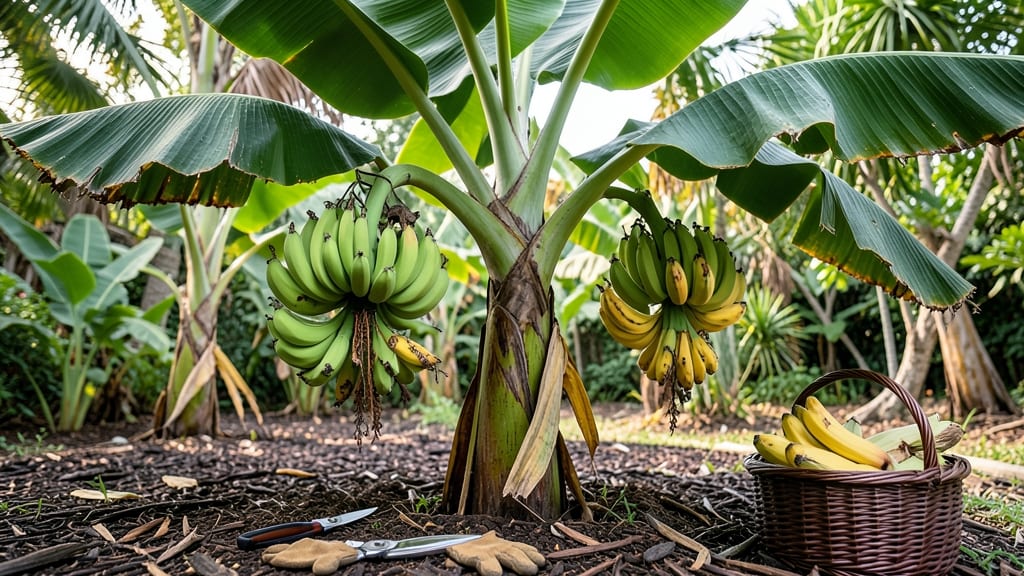
Picking Florida banana trees 🍌 at the right time means the difference between sweet, creamy fruit and bland, underripe disappointment—but timing varies by variety.
In Florida’s humid climate, bananas ripen faster than in tropical regions, and harvesting too early or too late can ruin your harvest. Whether you’re growing dessert bananas or ornamental varieties, knowing the exact moment to pick boosts your yield by 30% or more.
Below, I break down the best months to harvest by popular Florida-friendly varieties, like Dwarf Cavendish and Red Dacca, plus the visual and tactile cues that tell you bananas are truly ready—no more guessing.
You’ll also learn how to spot common mistakes that ruin harvests, from picking too early to ignoring hand size or soil signals, so you can enjoy peak ripeness every time.


Best months to harvest Florida banana trees by popular variety
Florida’s frost-free climate lets you harvest bananas year-round, but peak ripeness depends on the variety and seasonal shifts. Unlike tropical origins, Florida’s hot summers and mild winters create distinct harvest windows. For example, Dwarf Cavendish thrives in spring, while Red Dacca often ripens later in summer.
Timing isn’t just about months—it’s about hand size, fruit color, and even stem browning.
Most Florida banana varieties follow a spring-to-fall harvest cycle, with June-August being the sweetest months. However, Ice Cream bananas (a dessert variety) often ripen earlier, in April-May, while Red Dacca (ornamental but edible) peaks in July-September.
Understanding these patterns helps avoid underripe or overripe fruit—both of which ruin flavor.
Here’s a quick guide to Florida’s best harvest months by variety, including climate-specific adjustments for humidity and heat stress:
| Variety | Primary Harvest Window | Climate Notes | Best For |
|---|---|---|---|
| Dwarf Cavendish | March–June | Early spring blooms; avoid summer heat stress | Sweet, creamy dessert bananas |
| Red Dacca | July–September | Peaks in summer humidity; red skin protects from sunburn | Ornamental + edible (spicy-sweet) |
| Ice Cream | April–May | Early ripener; needs partial shade in summer | Creamy texture, mild flavor |
| Grand Nain | May–August | Tolerates Florida’s heat but needs consistent water | Large, classic dessert bananas |
| Bluggoe | June–October | Late-season; thrives in Florida’s long summers | Cooking bananas (starchy, firm) |
For Dwarf Cavendish, aim for March–June harvests, as Florida’s spring warmth triggers faster ripening.
These bananas are sweetest when hand-sized and mostly yellow with a slight green tip—never fully green or brown. Red Dacca, on the other hand, ripens later (July–September) and benefits from Florida’s summer humidity, which enhances its spicy-sweet flavor.
If you’re growing Ice Cream bananas, prioritize April–May harvests. Their creamier texture develops best in Florida’s cooler spring mornings, while summer heat can make them too soft or watery.
For Grand Nain (a larger variety), May–August is ideal—just ensure you’re providing deep watering during Florida’s dry spells to prevent stress.
One critical Florida-specific tip: Avoid harvesting during heatwaves (e.g., July–August). Bananas ripened under 100°F+ temperatures often develop off flavors or mealy textures. Instead, pick in early mornings when temps are cooler, or opt for partial shade during peak heat.
This adjustment can double your fruit’s shelf life.
For Bluggoe bananas (a cooking variety), June–October is prime time. These bananas are starchier and less sweet than dessert types, but Florida’s long summers give them enough time to mature fully.
Look for brown stems and firm, plump hands—these are your cues to harvest before hurricanes or heavy rains can damage the fruit.
Pro tip: In South Florida (Zone 11), you can harvest year-round, but
How to tell when bananas are Actually Ripe (Not Just Green or Overripe)
Florida’s humid heat speeds up banana ripening compared to tropical climates, so timing is everything. Unlike grocery store bananas, homegrown dessert varieties (like Dwarf Cavendish) ripen faster here—sometimes in just 2-3 weeks after reaching full color.
The key? Combining visual cues, tactile tests, and scent checks to avoid underripe or overripe fruit.
Overripe bananas in Florida often happen because home growers wait too long—especially during summer’s high humidity. But don’t rush either: picking too early means starchy, bland fruit that lacks sweetness. Mastering these three ripeness signals ensures you harvest at peak flavor, texture, and yield.
- Color Shift: 60-70% yellow with a tiny green tip (Florida’s sun intensifies color faster than tropical regions). Avoid fully green (🟢) or all-yellow (🟡) bananas.
- Firmness Test: Gently press the skin—it should yield slightly (like a ripe avocado) but not dent. Overripe bananas feel mushy and bruise easily.
- Stem Check: The stem base turns brown and dries out. If it’s still green, wait 3-5 days (Florida’s heat accelerates this process).
- Scent Test: Sniff near the bunch’s stem end. A sweet, floral aroma means peak ripeness. No smell? Wait 1-2 more days.
- Hand Size: Bananas should be baseball to softball-sized. Smaller (🏀) = underripe; larger = overripe.
Florida’s high humidity (70-90%) can trick growers into thinking bananas are ripe when they’re not. Unlike drier climates, color alone isn’t reliable—always pair it with the firmness test. For example, a Red Dacca banana might look ripe but feel rubbery if picked too early in summer’s peak heat.
Pro tip: Harvest in the morning when temperatures are cooler. Florida’s afternoon sun (90°F+) can cause bananas to overripe 20% faster than in tropical regions. Cut the bunch with a sterilized pruner 1-2 inches above the hand to prevent rot.
Once picked, bananas won’t ripen further—so don’t wait for perfection. Store them at room temperature (not the fridge) to develop full sweetness. In Florida’s winter months (Dec-Feb), ripening slows slightly due to cooler temps, giving you 5-7 extra days to monitor cues.
Remember: Ornamental bananas (like Ice Cream or Moonlight varieties) ripen differently—they’re never fully yellow and should be picked when their unique patterns darken and the skin feels firm. Always check the stem base and scent first.