
Pruning
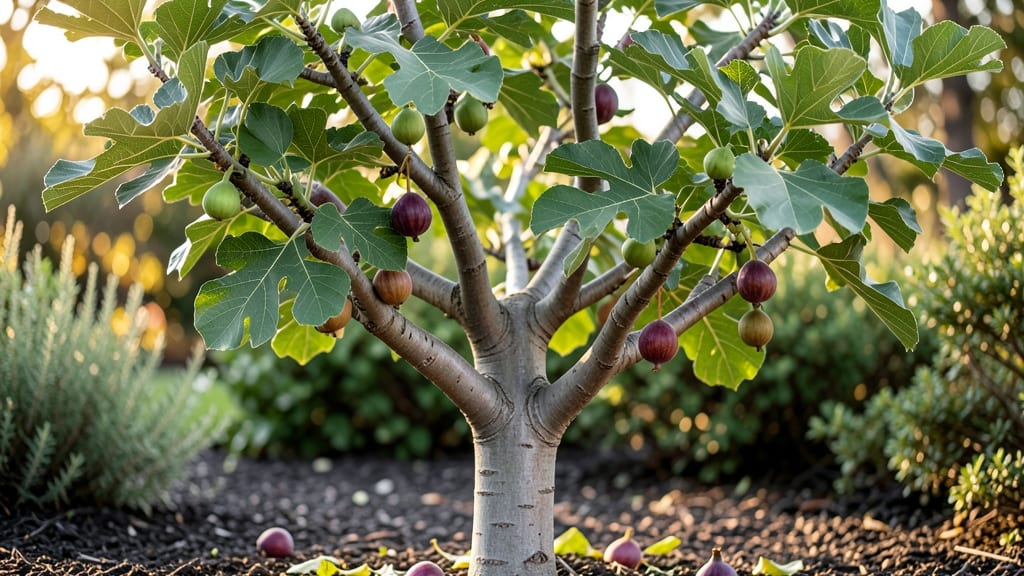
Understanding your fig tree’s fruit cycle 🍈 is the secret to turning a single harvest into a year-round bounty.
If you’ve ever wondered why your fig tree produces fruit at different times—or why some years yield nothing at all—the answer lies in its unique, multi-phase cycle. What looks like randomness is actually a predictable rhythm of growth stages, each requiring a different approach to care.
From the first flush of breba figs in early summer to the main crop in late fall, every phase depends on sunlight, pruning, and even temperature shifts. Miss the timing, and you might end up with empty branches when you expected a feast.
In this guide, I’ll break down each stage—when fruit forms, how to spot ripeness, and the simple tweaks that double your harvest. No more guesswork, just consistent, delicious figs all season long.
The 3-Stage fig tree fruit cycle: breba vs breva vs main crop
Fig trees are famous for their unique dual fruiting cycle, where they produce fruit in three distinct stages—not just one! The first two stages, breba and breva, often confuse gardeners, but understanding them will help you predict harvests and care for your tree properly.
Here’s how to identify each stage and what it means for your fig tree’s productivity.
Most fig varieties produce breba crop first, followed by breva crop, and finally the main crop. The breba figs appear on last year’s growth, while the main crop develops on current year’s wood.
This means your tree can yield fruit twice in one season—if you’re lucky! Let’s break down each stage so you can spot them easily.
Why does this matter? Each crop has different flavor profiles, care needs, and harvest times. Breba figs, for example, are often smaller and sweeter, while main crop figs tend to be larger and more robust. Knowing which is which helps you plan your harvest schedule and adjust your care routine accordingly.
| Fruit Stage | Timing | Flavor Profile | Care Focus | Visual Cues |
|---|---|---|---|---|
| Breba Crop | Early spring (March-April) | Sweeter, smaller | Light pruning, water | Green turning to color on last year’s wood |
| Breva Crop | Late spring (May-June) | Milder, medium size | Prune after harvest | New growth on current year’s branches |
| Main Crop | Summer-Fall (July-October) | Largest, most robust | Deep watering, fertilizer | Abundant on current year’s branches |
The breba crop is the first to appear, typically in early spring, and develops on one-year-old wood. These figs are often smaller and sweeter than the main crop, making them a prized early harvest.
If you notice figs forming on last year’s branches before new growth appears, those are your breba figs.
Next comes the breva crop, which forms on new growth after the breba harvest. This crop appears in late spring and is usually milder in flavor than the breba but still delicious.
The breva crop is a great indicator that your tree is healthy and ready for the main crop, which develops later in the season.
The main crop is what most gardeners associate with fig trees—large, flavorful figs that ripen in summer and fall. These figs grow on current year’s wood and require more care to ensure a bountiful harvest.
This is when your tree puts most of its energy into fruit production, so watering and fertilizing become critical.
Here’s a pro tip: If you see figs forming on both old and new wood at the same time, you’re likely looking at breba and breva crops overlapping. This is common in warm climates where the tree can produce multiple crops in one season.
Pay attention to the branch age—older wood means breba, while newer growth means breva or main crop.
To maximize your harvest, prune strategically. After the breba crop is harvested, prune lightly to encourage breva development. Once the breva crop is done, prune more aggressively to shape the tree and prepare for the main crop.
Avoid heavy pruning in late summer, as this can reduce the main crop’s yield.
One common mistake is assuming all figs are part of the main crop. If you harvest too late, you might miss the breba or breva crops entirely. Always check the branch age and fruit size to determine which crop you’re dealing with.
A quick glance at your tree’s structure can save you from missing out on early harvests!
Finally, climate plays a huge role in your fig tree’s fruiting cycle. In cooler zones, the breba crop might not develop at all, while warmer zones can produce all three crops.
If you’re in a milder climate, you might even see two main crops in one year—just another reason to keep a close eye on your tree!
Understanding these stages will help you plan your harvests and care for your tree more effectively. Whether you’re a beginner or a seasoned gardener, knowing the difference between breba, breva, and main crop figs is the secret to a fruitful fig tree every season. 🌱
How to optimize your fig tree’s fruit production year-round
Fig trees are fascinating because they can produce fruit twice a year—sometimes even more—if you understand their natural cycle. The key to year-round production lies in strategic care during each season.
By adjusting your approach, you can encourage your tree to keep bearing fruit consistently, rather than having sporadic harvests.
Many gardeners miss out on optimal fruit production because they treat their fig tree like a one-season plant. But with the right techniques, you can extend the fruiting window.
Think of it like training a marathon runner—consistent, targeted care yields the best results. Let’s break down how to do this effectively.
- 1 Spring Pruning: Prune breba crop stems after harvest to redirect energy to main crop growth. Use clean, sharp pruners to avoid disease.
- 2 Summer Watering: Deep water every 5-7 days during peak heat to prevent stress. Avoid wetting leaves to reduce fungal risks like rust.
- 3 Fall Fertilization: Apply balanced fertilizer (5-10-10) in early fall to support next year’s breba buds. Stop fertilizing by October to avoid late-season growth.
- 4 Winter Protection: Mulch heavily around the base with 3-4 inches of organic mulch to insulate roots. In colder zones (Zone 7 and below), wrap the trunk with burlap.
- 5 Early Spring Stimulus: Lightly prune dormant branches in late winter to encourage new growth. Apply a compost top-dressing to replenish nutrients.
One of the biggest mistakes gardeners make is over-pruning in winter, which removes potential fruit-bearing wood. Instead, focus on shaping the tree to improve airflow and sunlight penetration. Aim to keep the canopy open so all branches receive adequate light—this encourages more fruit development throughout the season.
Consistent watering is another game-changer. Fig trees are drought-tolerant once established, but during fruit production, they need deep, regular watering. I’ve found that watering in the early morning reduces evaporation and fungal issues.
A drip irrigation system works best because it delivers water directly to the roots without wetting the leaves.
Finally, pay attention to your fig tree’s seasonal cues. For example, if you notice premature leaf drop in summer, it’s often a sign of water stress or nutrient deficiency.
Adjust your care routine immediately—this could mean increasing water or applying a foliar feed to boost recovery. The more you observe, the better you’ll understand your tree’s needs.
With these adjustments, you’ll see a noticeable difference in your fig tree’s fruit production consistency. The goal isn’t just to have more figs—it’s to have them throughout the year, giving you a steady supply of fresh, homegrown goodness. Happy growing! 🌱🍈